

Working Principle and Characteristics of Activated Carbon Material Pneumatic Conveying
Activated carbon material pneumatic conveying is a critical process in industrial applications, particularly for handling fine powders like activated carbon. This technology involves the use of air or other gas streams to transport solid materials through a pipeline system. Understanding the working principle and key characteristics of such systems is essential for optimizing material handling efficiency and ensuring operational reliability.
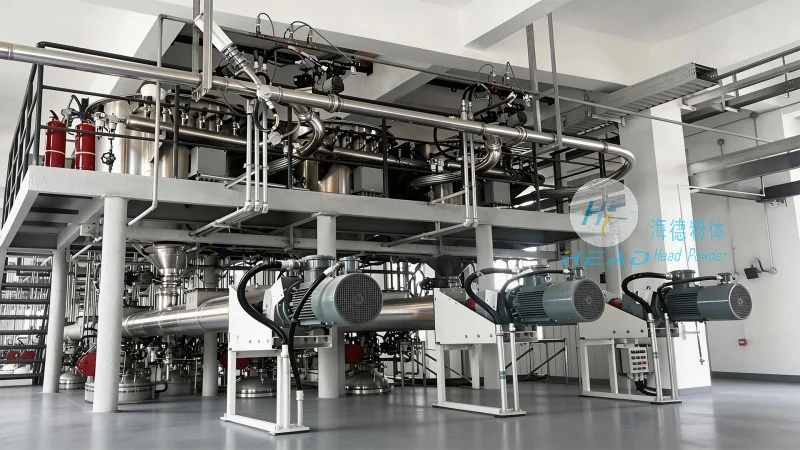
Working Principle of Activated Carbon Material Pneumatic Conveying
The core mechanism of activated carbon material pneumatic conveying relies on the generation of a high-velocity air stream within a pipeline. This air stream is typically produced by a blower or compressor, which creates sufficient pressure and velocity to lift and transport the activated carbon particles. The process generally operates under two main modes: dilute phase and dense phase conveying. In dilute phase systems, the material is suspended in the air stream and transported at relatively high velocities, often requiring larger pipelines and higher air volumes. Dense phase conveying, on the other hand, involves a slower, more controlled flow where the material is carried in a slurry-like state, reducing the risk of particle degradation and improving system efficiency.
Key components of an activated carbon pneumatic conveying system include the feeding device, which introduces the activated carbon into the pipeline, the conveying line itself, and the discharge equipment that delivers the material to its destination. The feeding device, such as a rotary valve or screw feeder, ensures a consistent and controlled flow of material into the system. The conveying line is designed to withstand the pressure and temperature conditions, often made from materials like stainless steel or plastic to prevent corrosion and material contamination. The discharge equipment, which may include a rotary valve or a venturi, regulates the release of the activated carbon at the receiving point, preventing backflow and ensuring smooth material transfer.
Key Characteristics of Activated Carbon Material Pneumatic Conveying Systems
Activated carbon material pneumatic conveying systems exhibit several distinct characteristics that make them suitable for various industrial applications. One of the primary advantages is the ability to transport materials over long distances without the need for intermediate storage or handling equipment. This reduces the risk of material contamination and minimizes the need for manual labor, enhancing operational safety and efficiency. Additionally, pneumatic conveying systems are highly flexible, allowing for changes in material flow rates and direction without significant modifications to the infrastructure.
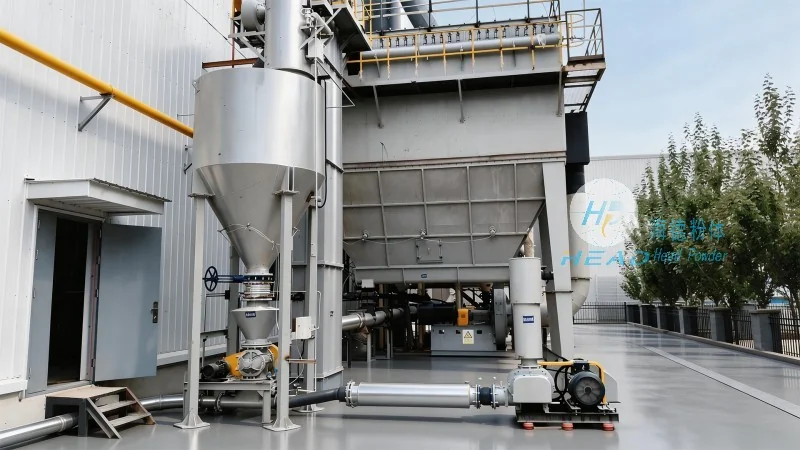
Another notable characteristic is the environmental benefits of this technology. By eliminating the need for mechanical conveyors or belt systems, which can generate dust and noise, pneumatic conveying reduces the risk of air pollution and improves workplace safety. The enclosed pipeline system also helps in controlling dust emissions, making it a more environmentally friendly option for handling activated carbon, which is often used in applications like air purification and water treatment where purity is critical.
Efficiency is a critical characteristic of activated carbon pneumatic conveying systems. These systems can achieve high material throughput rates, often operating at capacities ranging from a few kilograms per hour to several tons per hour, depending on the system design and the specific requirements of the application. The ability to maintain consistent flow rates and minimize material degradation is crucial for processes that require high-purity activated carbon, such as in the production of activated carbon filters or in industrial wastewater treatment plants.
Applications and Industry Relevance
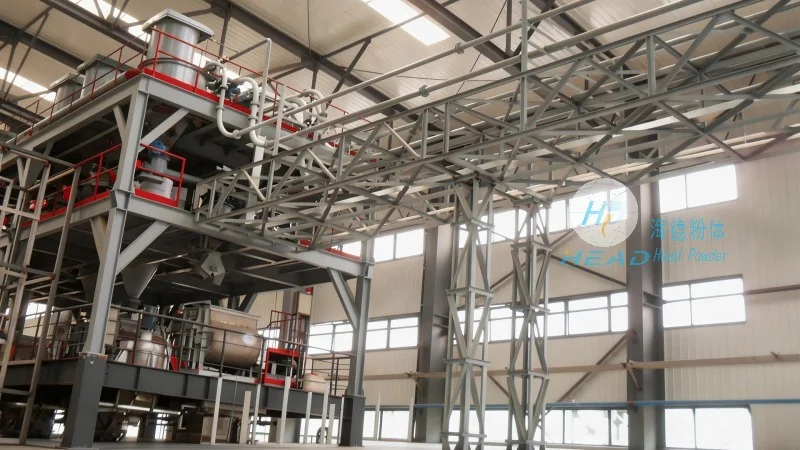
Activated carbon material pneumatic conveying is widely used in industries that rely on the efficient handling of fine powders. In the chemical industry, it is used for transporting activated carbon used in adsorption processes, where the material's purity and consistency are essential for effective contaminant removal. In the environmental sector, such systems are employed in water treatment facilities to convey activated carbon for filtration and purification, ensuring clean water output. Additionally, in the pharmaceutical and food processing industries, pneumatic conveying is used to handle activated carbon used in filtration and purification processes, where maintaining material integrity and preventing contamination is paramount.
The technology's adaptability to different material properties, including varying particle sizes and moisture content, makes it a versatile solution for a range of applications. Whether handling fine, dry activated carbon or slightly moist material, pneumatic conveying systems can be configured to meet the specific requirements of the process. This flexibility, combined with the system's ability to operate in enclosed environments, makes it an ideal choice for industries where material purity and environmental control are critical.
Conclusion and Company Overview
Activated carbon material pneumatic conveying is a sophisticated and efficient technology that plays a vital role in modern industrial operations. By understanding its working principle and key characteristics, industries can optimize their material handling processes, improve operational efficiency, and enhance product quality. As a leading provider in this field, Shandong HeadPowder Engineering Co., Ltd. specializes in designing and manufacturing customized pneumatic conveying systems tailored to the unique needs of each client. With a focus on quality, reliability, and innovation, HeadPowder delivers solutions that meet the highest standards of performance and safety, ensuring long-term operational success for its clients.