

Working Principle and Features of Ammonium Bicarbonate Powder Pneumatic Conveying Equipment
Ammonium bicarbonate, a white crystalline powder commonly utilized in the food and pharmaceutical industries, requires efficient and reliable handling systems for safe and effective transport. The Ammonium Bicarbonate Powder Pneumatic Conveying Machine, developed by Shandong HeadPowder Engineering Co., Ltd., a company based in China, is a specialized solution designed to address the unique challenges associated with handling this material. This equipment combines advanced pneumatic conveying technology with robust engineering to ensure optimal performance, safety, and operational efficiency.
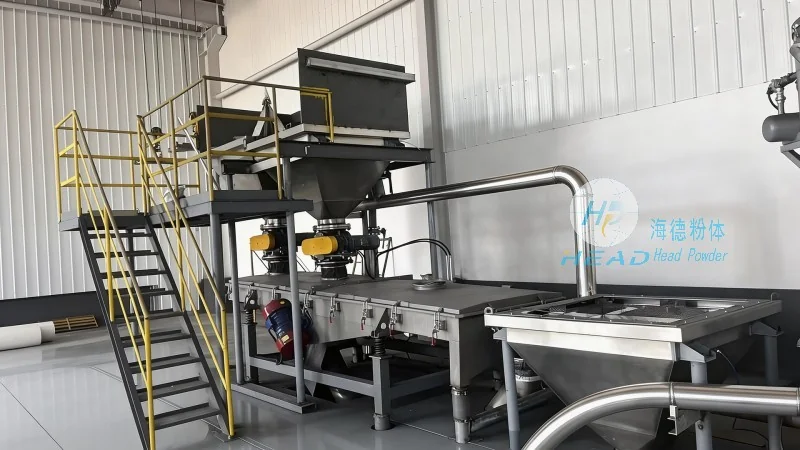
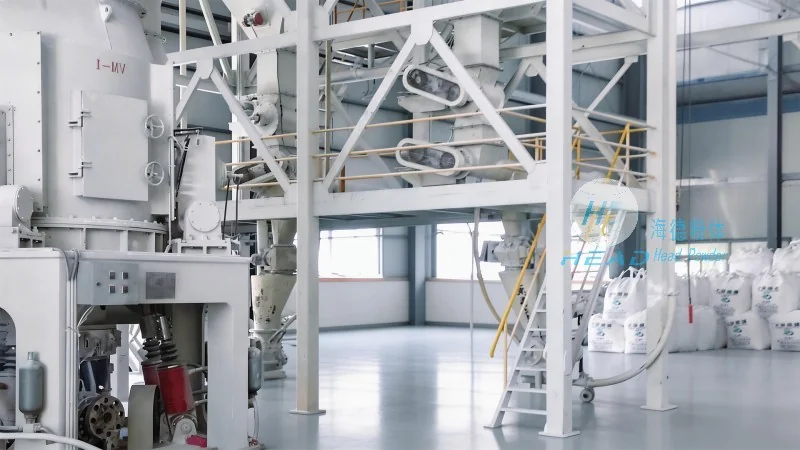
Working Principle of the Ammonium Bicarbonate Powder Pneumatic Conveying Machine
The core of the Ammonium Bicarbonate Powder Pneumatic Conveying Machine lies in its pneumatic conveying system, which utilizes compressed air to transport the powder from the source to the destination. The process begins with the material being fed into the hopper of the machine. From there, the powder is drawn into the conveying line by the action of the air flow generated by the air compressor. The compressed air, typically operating at a pressure of 0.5 to 0.8 MPa, creates a low-pressure zone that pulls the powder particles along the pipeline. The conveying line is equipped with various components such as cyclones, filters, and expansion chambers to ensure the material is transported smoothly and without clogging. The machine also incorporates a dust collection system to maintain a clean and safe working environment, which is crucial when handling ammonium bicarbonate, as it can be irritant to the respiratory system if not properly contained.
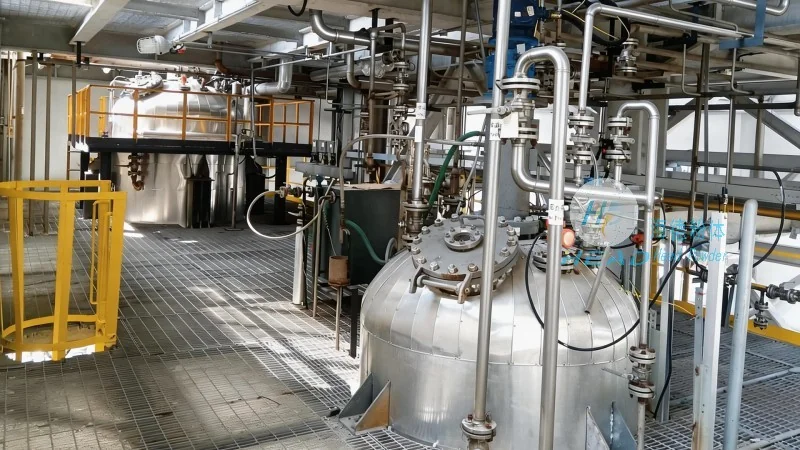
Key Features of the Ammonium Bicarbonate Powder Pneumatic Conveying Machine
Shandong HeadPowder Engineering Co., Ltd. has designed the Ammonium Bicarbonate Powder Pneumatic Conveying Machine with several key features that enhance its performance and usability. First, the machine is constructed with high-quality materials that are resistant to corrosion and chemical reactions, ensuring long-term durability even when handling ammonium bicarbonate, which can be slightly acidic. The system includes a variable speed air compressor that allows for precise control of the air flow, enabling operators to adjust the conveying rate according to the specific requirements of the application. This flexibility is particularly important in industries where the volume of material being transported varies, such as in food processing or pharmaceutical manufacturing. Additionally, the machine features an automatic cleaning system that prevents the buildup of powder residue in the pipeline, reducing maintenance time and costs. The design also incorporates safety features such as pressure relief valves and overheat protection, which help to prevent accidents and ensure the safety of the operators. The compact and modular design of the equipment makes it easy to install and integrate into existing production lines, minimizing downtime during setup.
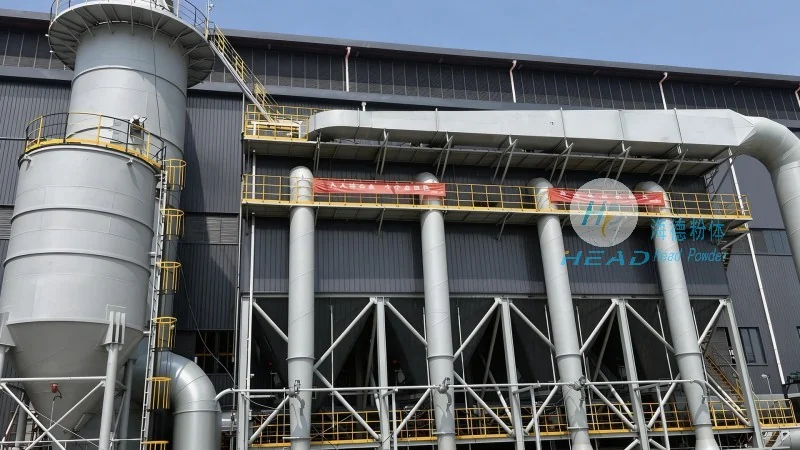
Advantages of Using the Ammonium Bicarbonate Powder Pneumatic Conveying Machine
Implementing the Ammonium Bicarbonate Powder Pneumatic Conveying Machine offers several advantages for businesses in the food and pharmaceutical sectors. One of the primary benefits is the improved safety and hygiene. By eliminating the need for manual handling and open containers, the machine reduces the risk of contamination and exposure to the powder, which is essential for maintaining product quality and compliance with regulatory standards. Another advantage is the increased efficiency and productivity. The pneumatic conveying system allows for continuous and uninterrupted transport of the material, reducing the time required for material transfer and increasing overall production throughput. The machine also helps to minimize material loss, as the enclosed system prevents dust and powder from escaping into the environment. This not only improves the working conditions but also reduces the cost of material waste. Furthermore, the machine's energy-efficient design, with its variable speed compressor, helps to lower operational costs by optimizing energy consumption based on the actual conveying needs. The durability and low maintenance requirements of the equipment also contribute to long-term cost savings, as the machine is built to withstand the rigors of continuous operation in industrial settings.