

Working Principle and Characteristics of Pea Powder Pneumatic Conveying
Pea powder pneumatic conveying is a technology widely used in the food processing industry for the efficient and safe transportation of pea powder. This method involves using air as the medium to transport powder materials through a pipeline system. The working principle of pea powder pneumatic conveying typically includes the following key components and processes.
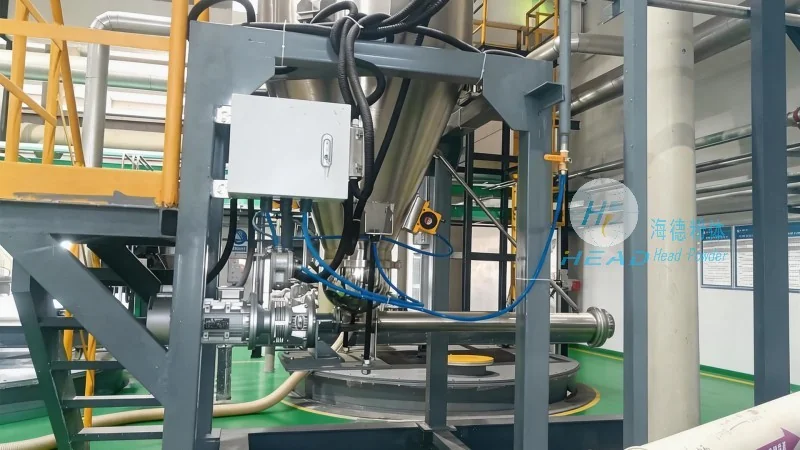
Working Principle of Pea Powder Pneumatic Conveying
The core of pea powder pneumatic conveying is the creation of a pressure differential or vacuum within the conveying pipeline. A blower or compressor generates the necessary airflow, which then carries the pea powder particles through the system. The process generally involves several stages: material feeding, air mixing, conveying, and discharge. In the feeding stage, pea powder is introduced into the conveying line, often with a feeder device to ensure a consistent flow. The air is then introduced, creating a mixture of powder and air that moves through the pipeline. The conveying velocity and pressure are carefully controlled to prevent particle degradation and ensure efficient transport. The system may include components such as a filter to separate the powder from the air at the discharge end, and a receiver to collect the transported powder.
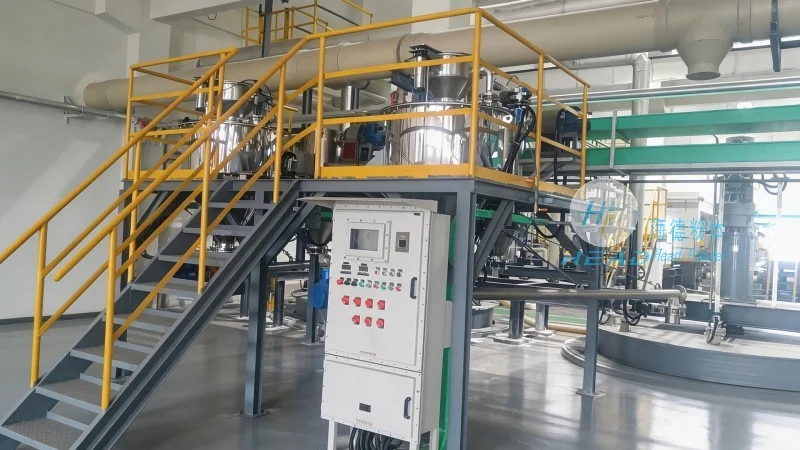
Key Characteristics of Pea Powder Pneumatic Conveying
Pea powder pneumatic conveying systems exhibit several notable characteristics that make them suitable for handling delicate powder materials like pea powder. Firstly, the system is highly flexible and can be easily adapted to different production layouts, allowing for changes in the conveying route or capacity as needed. Secondly, it offers a hygienic and dust-free operation, which is crucial for food-grade applications. The enclosed pipeline system prevents contamination from external sources and minimizes dust emissions, ensuring compliance with food safety regulations. Thirdly, the conveying process is energy-efficient compared to traditional methods like bucket elevators or belt conveyors, as it uses air as the primary transport medium, reducing mechanical wear and maintenance costs. Additionally, the system can handle varying particle sizes and moisture contents of pea powder, making it versatile for different processing stages. The ability to transport pea powder over long distances without the need for multiple transfer points also enhances operational efficiency.
Application and Benefits in Food Processing
Pea powder, a common ingredient in various food products such as dairy, beverages, and baked goods, benefits significantly from pneumatic conveying systems. The technology ensures that pea powder is transported without degradation, preserving its nutritional value and quality. The hygienic design of the system prevents cross-contamination with other ingredients or equipment, maintaining product purity. For companies like Shandong HeadPowder Engineering Co., Ltd., specializing in engineering solutions for powder handling, pneumatic conveying is a critical component in their product portfolio. The company, known as headpowder, leverages advanced engineering and material science to design customized pneumatic conveying systems tailored to the specific needs of food manufacturers. Their expertise in handling delicate powders like pea powder ensures that clients receive efficient, reliable, and compliant conveying solutions. The company's facilities are located in Shandong, China, where they conduct research and development to improve the performance and safety of pneumatic conveying technologies for the food industry.
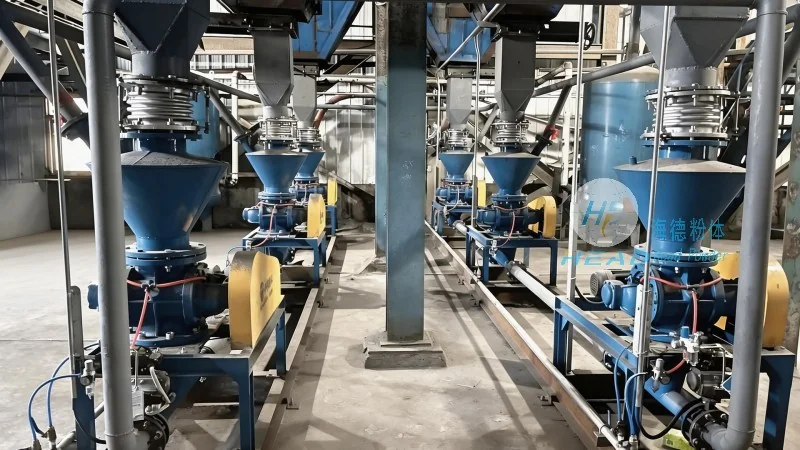
Conclusion and Future Considerations
Pea powder pneumatic conveying represents a sophisticated and effective method for transporting powder materials in the food processing sector. By understanding the working principle and characteristics of such systems, manufacturers can optimize their production processes, enhance product quality, and ensure regulatory compliance. As technology advances, future developments may focus on even more efficient air management, improved material handling capabilities, and enhanced safety features. However, the fundamental principles of pneumatic conveying will likely remain central to the industry, with continued emphasis on energy efficiency, hygiene, and flexibility. For businesses in the food industry, partnering with specialized engineering companies like Shandong HeadPowder Engineering Co., Ltd. is essential to implement and maintain effective pneumatic conveying systems that meet the demands of modern production.