For industrial applications involving the transportation of polyethylene powder, efficient and reliable material handling systems are crucial. This article explores the working principle and key features of polyethylene powder material handling systems, highlighting the technology and design elements that ensure optimal performance in various industrial settings.
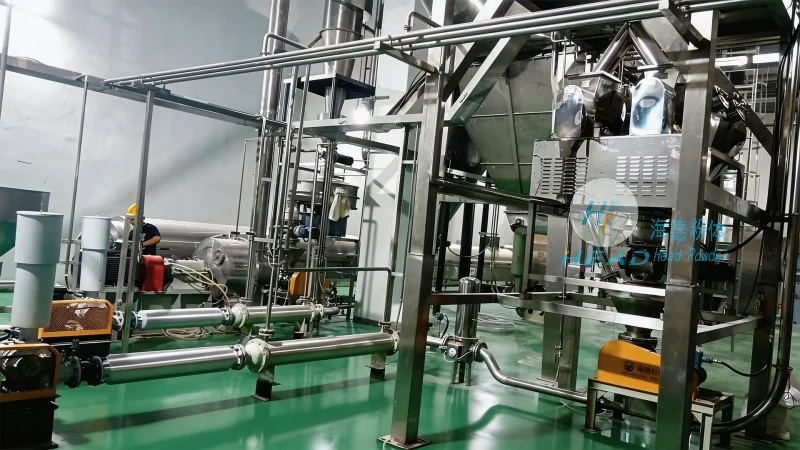
Overview of Polyethylene Powder Material Handling Systems
Polyethylene powder is widely used in manufacturing processes due to its versatility and chemical resistance. However, handling this material requires specialized equipment to prevent dust generation, ensure consistent flow, and maintain product integrity. Polyethylene powder material handling systems are engineered to address these challenges by integrating advanced components and control mechanisms.
Working Principle of Polyethylene Powder Material Handling Systems
The core working principle of these systems revolves around the use of positive displacement or pneumatic conveying technologies to transport polyethylene powder from one location to another. Positive displacement systems, such as rotary lobe blowers or piston pumps, create a pressure differential to move the material through pipelines. Pneumatic conveying systems, on the other hand, utilize compressed air to generate the necessary force for material transport, often employing a combination of pressure and vacuum stages for efficient handling.
In both systems, the polyethylene powder is typically fed into a hopper or feeder, where it is then conveyed through a series of pipes or ducts to the destination point. The design of the system includes features like airlocks, cyclones, and filters to ensure that the material is transported without spillage or contamination. The control system monitors parameters such as pressure, flow rate, and temperature to maintain consistent operation and prevent system failures.
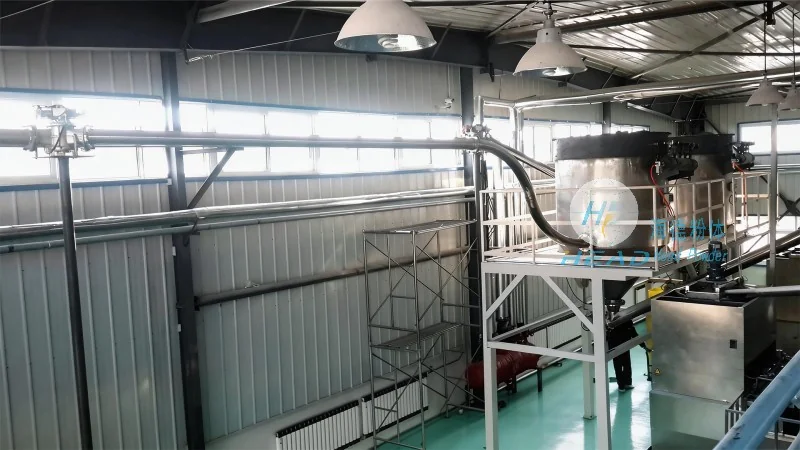
Key Features of Polyethylene Powder Material Handling Systems
Several key features distinguish high-quality polyethylene powder material handling systems, making them suitable for demanding industrial applications. These features include:
1. Dust-Free Operation: Advanced sealing and filtration systems are incorporated to minimize dust generation, ensuring a clean working environment and compliance with safety regulations.
2. Material Integrity Preservation: The design of the system prevents agglomeration and degradation of the polyethylene powder, maintaining its quality and performance characteristics throughout the handling process.
3. Energy Efficiency: Modern systems utilize energy-saving components, such as variable frequency drives (VFDs) and optimized airflow, to reduce operational costs while maintaining performance.
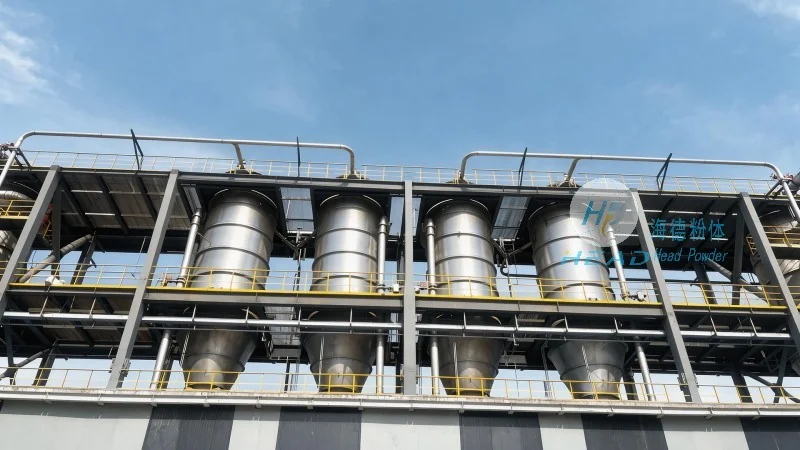
4. Scalability and Flexibility: The systems are designed to be scalable, allowing for easy expansion or integration with existing production lines. They can handle varying flow rates and material types, providing flexibility in different industrial applications.
5. Maintenance and Durability: High-quality materials, such as stainless steel and corrosion-resistant coatings, are used in the construction of the system components to ensure long-term durability and minimal maintenance requirements.
Company Information: Shandong HeadPowder Engineering Co., Ltd.
Shandong HeadPowder Engineering Co., Ltd., commonly known as HeadPowder, is a leading manufacturer of specialized material handling equipment for polyethylene powder and other fine powders. With a focus on innovation and customer satisfaction, HeadPowder provides comprehensive solutions tailored to the unique needs of industrial clients. The company is headquartered in Shandong, China, and is committed to delivering reliable, efficient, and cost-effective material handling systems that meet the highest industry standards.




