Polycarbonate material handling equipment is a specialized system designed to transport and manage polycarbonate materials efficiently. As a key component in industrial processes, these systems are engineered to handle the unique properties of polycarbonate, ensuring safe and effective material movement. The following sections will explore the working principle and key features of such equipment, providing insights into its functionality and benefits. This information is brought to you by Shandong HeadPowder Engineering Co., Ltd., a leading provider of industrial material handling solutions based in China.
Working Principle of Polycarbonate Material Handling Equipment
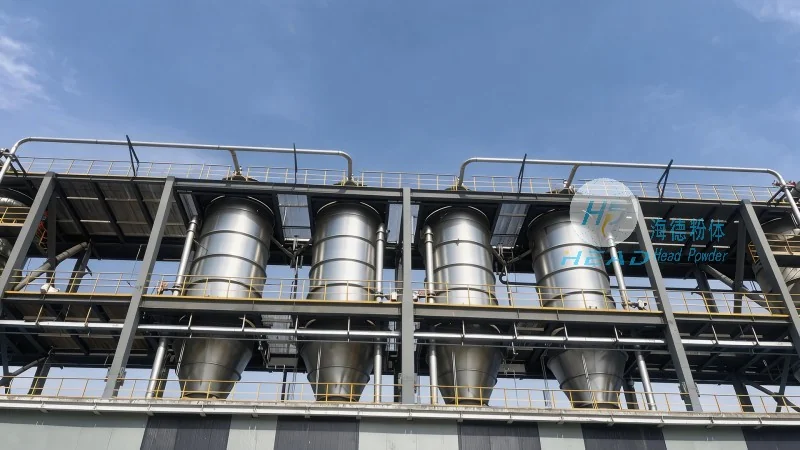
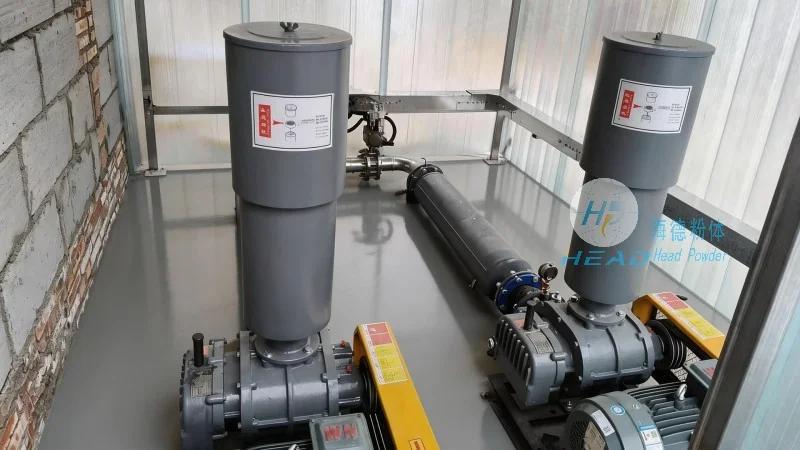
Polycarbonate material handling equipment operates through a combination of mechanical and control systems tailored to the unique properties of polycarbonate. The process typically begins with the material being introduced into the system via a hopper or loading mechanism. This initial step ensures that the polycarbonate is fed into the equipment in a controlled manner, preventing blockages or uneven flow. From there, the material is transported using various mechanisms, such as belt conveyors, screw conveyors, or pneumatic systems, depending on the specific application and material form. Belt conveyors are commonly used for transporting polycarbonate sheets or large components, utilizing smooth belts to move the material without causing scratches or damage. Screw conveyors, on the other hand, are ideal for handling polycarbonate pellets or granules, using a rotating screw to push the material forward. Pneumatic systems may be employed for lighter materials or when a more flexible transport path is required. Throughout the process, integrated sensors and control systems monitor the material flow, adjusting the speed or direction of the conveyor as needed. This real-time monitoring ensures that the polycarbonate is handled gently, minimizing the risk of brittle fracture or surface damage. The entire system is designed to be efficient and reliable, with components that can withstand the continuous operation typical of industrial environments. By combining these elements, polycarbonate material handling equipment effectively moves the material from one location to another while preserving its integrity.
Key Features of Polycarbonate Material Handling Equipment
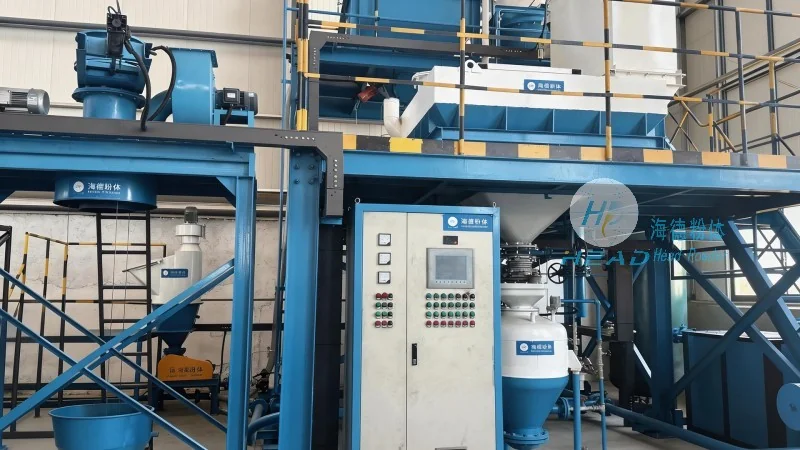
Polycarbonate material handling equipment is distinguished by several key features that enhance its performance and suitability for handling this specific material. One of the most critical features is its ability to handle polycarbonate with minimal risk of damage. The equipment is often constructed with materials that are compatible with polycarbonate, such as stainless steel or specialized food-grade plastics, to prevent chemical reactions or abrasion. Additionally, the design incorporates gentle handling mechanisms, such as low-friction belts or soft-edged screw flights, which reduce the impact forces on the material. This is particularly important for polycarbonate, as it is a brittle material that can easily crack or break under excessive stress. Another important feature is the integration of advanced control systems. These systems include sensors that detect the presence and position of the material, as well as automation technology that adjusts the conveyor speed or direction based on real-time feedback. This not only improves efficiency but also enhances safety by preventing overloading or misalignment. Furthermore, the equipment is designed for durability and long-term reliability. It features robust components, such as heavy-duty bearings, reinforced frames, and protective enclosures, which shield the internal mechanisms from dust, debris, and other environmental factors. This design ensures that the equipment can operate continuously without frequent maintenance, reducing downtime and maintenance costs. The result is a system that provides consistent performance over extended periods, making it a cost-effective solution for industrial material handling needs.
Applications and Benefits in Industrial Settings
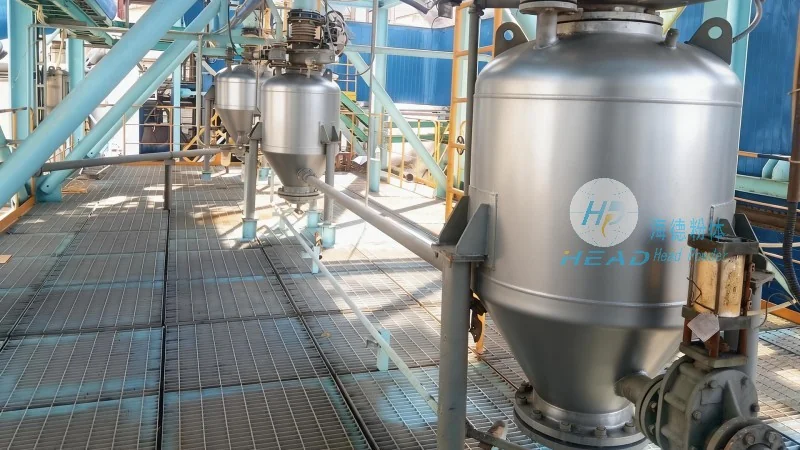
Polycarbonate material handling equipment is widely used in various industrial applications, including manufacturing, packaging, and processing industries. Its ability to handle polycarbonate materials efficiently makes it an essential tool for companies dealing with this versatile plastic. In manufacturing plants, the equipment is used to transport polycarbonate sheets or pellets from storage to production lines, ensuring a smooth and uninterrupted workflow. For example, in the production of polycarbonate products, the equipment can move raw materials to molding machines, reducing the time and effort required for manual handling. In packaging facilities, it can be used to move polycarbonate containers or components to assembly lines, improving production throughput and reducing labor costs. The benefits of using such equipment extend beyond just efficiency. By reducing the risk of material damage, it helps maintain product quality and reduces waste, which is crucial for cost control in industrial operations. Additionally, the advanced control systems contribute to improved workplace safety. They can detect and prevent issues such as overloading or misalignment, which can lead to accidents or equipment failure. The durability and reliability of the equipment also lead to lower maintenance costs and longer service life, providing a good return on investment for industrial users. Overall, polycarbonate material handling equipment plays a vital role in optimizing material flow and enhancing operational efficiency in industrial settings, making it a valuable asset for any company dealing with polycarbonate materials.




