

Working Principle and Features of Anhydrous Aluminum Chloride Material Handling System
For industrial applications involving the handling and transportation of anhydrous aluminum chloride, specialized material handling systems are essential to ensure efficiency, safety, and product integrity. This article explores the working principles and key features of such systems, highlighting how they contribute to effective material management in chemical processing and related industries.
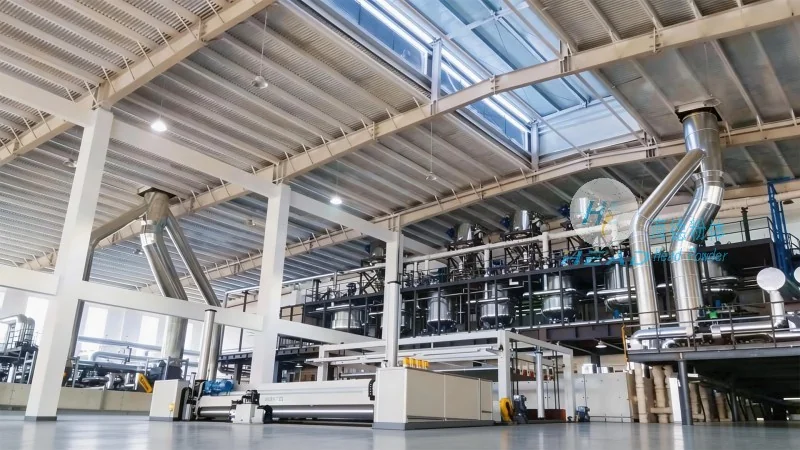
About HeadPowder: Your Trusted Engineering Partner
HeadPowder, a leading engineering company based in Shandong, China, specializes in the design, manufacturing, and installation of advanced material handling solutions. With a strong commitment to quality and innovation, HeadPowder has established itself as a reliable partner for businesses requiring robust systems for handling hazardous or specialized materials like anhydrous aluminum chloride. The company’s expertise in chemical engineering and material science ensures that each system is tailored to meet specific operational requirements, enhancing performance and safety in industrial settings.
Working Principle of Anhydrous Aluminum Chloride Material Handling Systems
The core of an anhydrous aluminum chloride material handling system lies in its ability to transport the material from storage to processing units without compromising its purity or stability. Typically, these systems employ a combination of equipment such as conveyor belts, pneumatic conveyors, or enclosed screw conveyors, depending on the specific characteristics of the material and the operational environment. The working principle involves several critical steps:
Initial Storage and Preparation: Anhydrous aluminum chloride is often stored in sealed containers or silos to prevent moisture absorption, which could degrade the material's properties. The system starts by transferring the material from storage to the processing line, ensuring minimal exposure to air and moisture.
Conveying Mechanism: Depending on the system design, materials may be conveyed through enclosed channels or pipes. For example, pneumatic conveyors use air pressure to move the material, while screw conveyors utilize rotating screws to push the material forward. These mechanisms are designed to handle the material's density and flow characteristics, ensuring smooth and continuous transport.
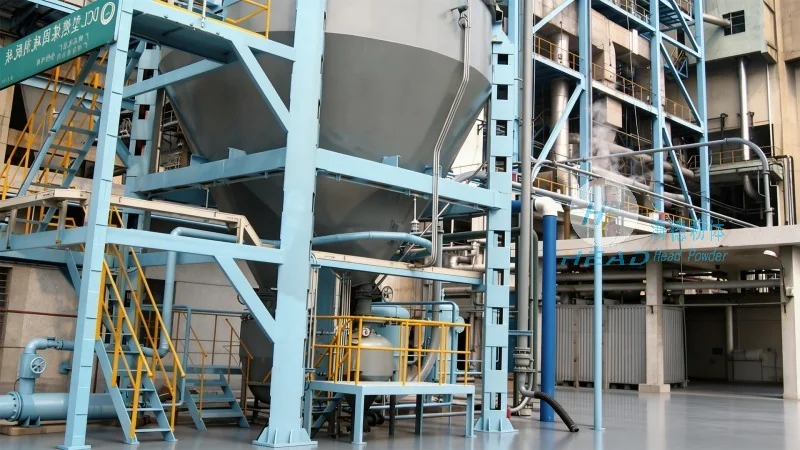
Control and Monitoring: Advanced control systems are integrated into the material handling process to monitor parameters such as flow rate, pressure, and temperature. Sensors and feedback mechanisms help maintain optimal conditions, preventing issues like blockages or material degradation. This real-time monitoring enhances operational efficiency and reduces downtime.
Integration with Processing Units: The material handling system is seamlessly integrated with downstream processing equipment, such as reactors or mixers. This integration ensures that the material is delivered to the processing units at the right time and in the correct quantity, supporting smooth production workflows.
Key Features of Anhydrous Aluminum Chloride Material Handling Systems
Effective material handling systems for anhydrous aluminum chloride must possess several key features to meet industrial demands. These features are designed to enhance performance, safety, and longevity of the equipment. Some of the most important features include:
Material Compatibility: The system components, including conveyors, containers, and piping, are constructed from materials that are compatible with anhydrous aluminum chloride. This typically involves the use of corrosion-resistant materials like stainless steel or specialized plastics to prevent chemical reactions that could damage the equipment or compromise the material's quality.
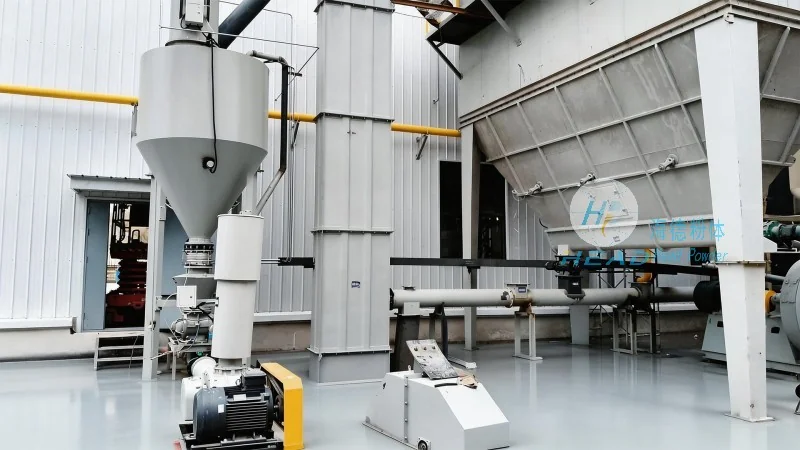
Enclosed Design: To prevent dust emissions and ensure safety, the material handling system is often enclosed. This design minimizes exposure to the material for operators and reduces the risk of environmental contamination. Enclosed systems also help maintain the material's purity by preventing contamination from external sources.
Low Moisture Sensitivity: Anhydrous aluminum chloride is highly sensitive to moisture, which can cause it to hydrolyze and form hydrochloric acid. The material handling system is designed to minimize moisture exposure, with features such as sealed containers, dry air systems, and moisture-resistant materials to ensure the material remains in its anhydrous state throughout the handling process.
Automation and Control: Modern systems incorporate advanced automation and control technologies to optimize performance. This includes programmable logic controllers (PLCs), sensors, and feedback loops that allow for precise control over the material flow, speed, and temperature. Automation reduces human error, improves consistency, and enhances overall operational efficiency.
Safety Features: Given the hazardous nature of anhydrous aluminum chloride, safety is a top priority. The system includes features such as emergency stop buttons, pressure relief valves, and gas detection systems to prevent accidents and ensure operator safety. These safety measures are crucial for maintaining a secure working environment.
Benefits of Using HeadPowder's Anhydrous Aluminum Chloride Material Handling Systems
Implementing a specialized material handling system for anhydrous aluminum chloride offers numerous benefits for industrial operations. These systems not only improve efficiency but also enhance safety and product quality. Some of the key benefits include:
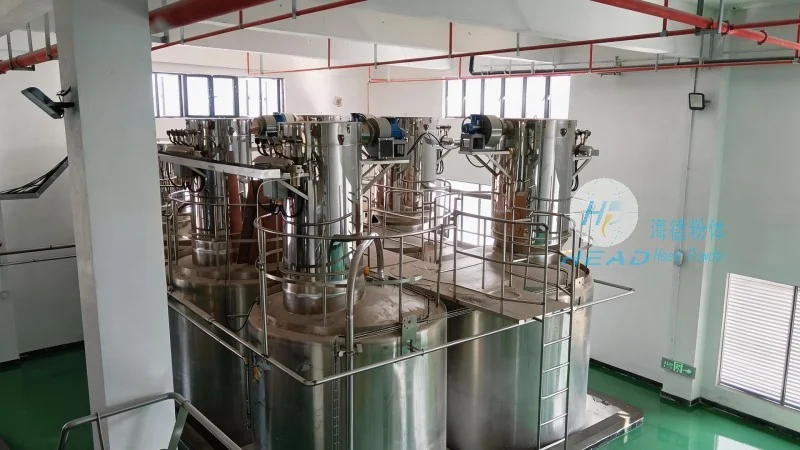
Enhanced Product Purity: By minimizing exposure to moisture and contaminants, the system helps maintain the high purity of anhydrous aluminum chloride, which is critical for its intended applications in chemical synthesis and industrial processes.
Increased Operational Efficiency: The automated and controlled nature of the system reduces downtime and improves the consistency of material flow, leading to higher production throughput and reduced labor costs.
Improved Safety: The enclosed design and safety features of the system minimize the risk of accidents and exposure to hazardous materials, creating a safer working environment for operators.
Long-Term Cost Savings: By preventing equipment corrosion and material degradation, the system reduces maintenance and replacement costs over its lifespan. Additionally, the efficient handling of materials reduces waste and improves overall operational costs.