Working Principle and Features of Denitrification Urea Powder Conveying System Equipment
Release time:2026-09-17 16:01:21
name of the company:Shandong Headpowder Engineering Co., Ltd.
telephone:156-6277-7102
contacts:Zhang manager
Denitrification urea powder conveying systems are critical components in industrial applications, particularly in facilities that utilize urea as a reducing agent for nitrogen oxide (NOx) reduction in flue gas treatment. These systems are designed to efficiently transport urea powder from storage to the injection point in a controlled and reliable manner. Understanding the working principle and key features of such systems is essential for optimizing performance and ensuring compliance with environmental regulations.
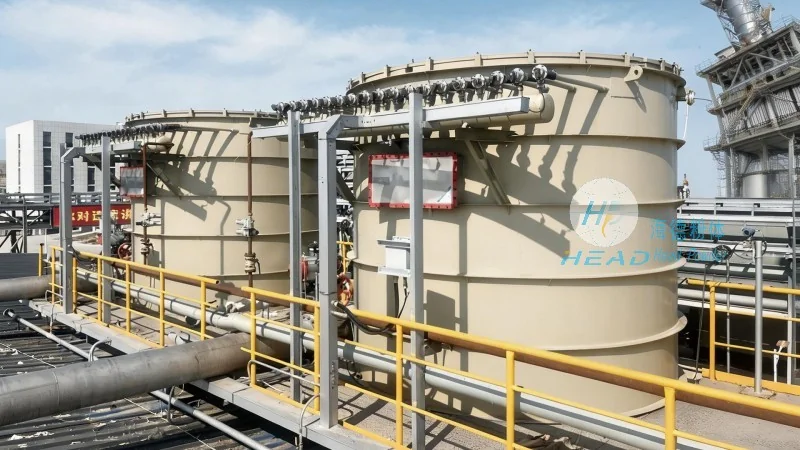
Overview of Denitrification Urea Powder Conveying Systems
Denitrification urea powder conveying systems are engineered to handle the unique properties of urea, a hygroscopic and potentially abrasive material. The primary goal is to deliver a consistent flow of urea powder to the denitrification reactor, where it reacts with NOx to form nitrogen and water. The system must maintain a precise concentration and flow rate to achieve effective NOx reduction while minimizing operational costs and equipment wear.
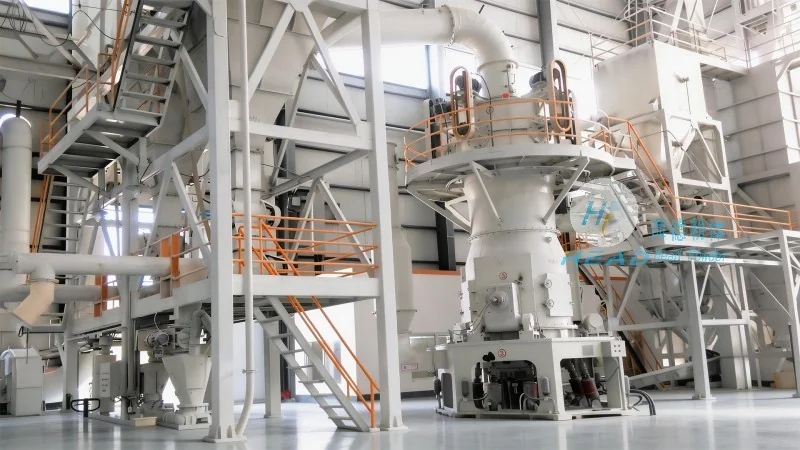
Working Principle of the Conveying System
The core working principle of a denitrification urea powder conveying system involves several key steps. First, urea powder is stored in a silo or hopper under controlled conditions to prevent caking or moisture absorption. From there, the powder is fed into a conveying device, typically a screw conveyor or pneumatic conveyor, which transports it to the injection unit. The conveying mechanism ensures that the powder moves smoothly without blockages or segregation. The system may incorporate a metering pump or control valve to regulate the flow rate, ensuring that the exact amount of urea is delivered to the reactor at the appropriate time. This precise control is crucial for maintaining the stoichiometric ratio between urea and NOx, which directly impacts the efficiency of the denitrification process.
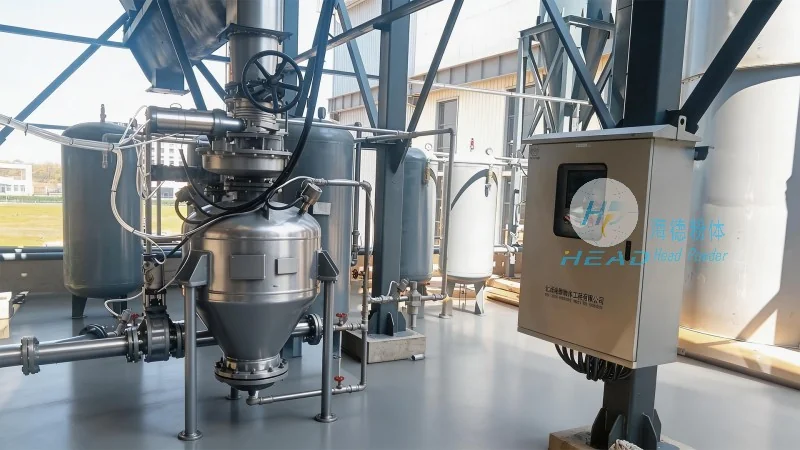
Key Features of the System
Several key features distinguish high-quality denitrification urea powder conveying systems. One of the most important is the ability to handle hygroscopic materials without caking or bridging. Advanced systems use anti-caking additives or moisture control mechanisms to maintain the powder's flowability. Another critical feature is the system's durability and resistance to corrosion, as urea and its byproducts can be chemically aggressive. High-quality materials, such as stainless steel or corrosion-resistant alloys, are used in the construction of the conveying components to ensure long-term reliability. Additionally, the system should include monitoring and control capabilities, such as flow meters, pressure sensors, and automated control systems, to provide real-time data and adjust operations as needed. This integration of monitoring helps in maintaining optimal performance and detecting potential issues before they lead to system failures.
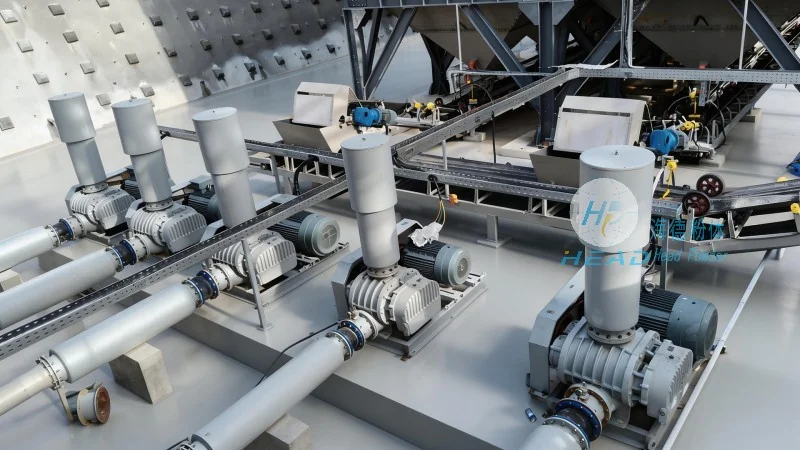
Company Information: Shandong HeadPowder Engineering Co., Ltd.
HeadPowder, a leading manufacturer of industrial conveying systems, specializes in designing and manufacturing denitrification urea powder conveying equipment. With a strong focus on innovation and customer satisfaction, the company has developed systems that meet the stringent requirements of modern industrial applications. HeadPowder's systems are engineered to provide reliable, efficient, and cost-effective solutions for NOx reduction in power plants, chemical plants, and other industrial facilities. The company's headquarters is located in Shandong, China, where it leverages advanced manufacturing capabilities and technical expertise to deliver high-quality products to global markets.




