

Working Principle and Features of Catalyst Powder Conveyors
For industrial applications that require the efficient and reliable transport of catalyst powders, understanding the working principle and key features of specialized equipment is crucial. This article explores the fundamental mechanisms behind catalyst powder conveyors and highlights the distinctive attributes that make them suitable for demanding processing environments, with a focus on solutions provided by Shandong HeadPowder Engineering Co., Ltd., a leading manufacturer in the field.
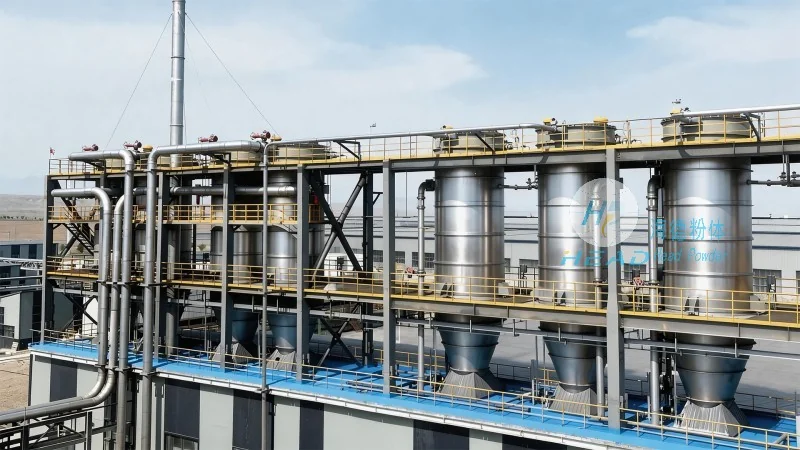
Working Principle of Catalyst Powder Conveyors
Catalyst powder conveyors operate on principles designed to handle fine, abrasive, or sensitive powders with precision. The core mechanism typically involves a combination of mechanical components that ensure controlled movement, minimal product degradation, and consistent flow rates. A common design incorporates a hopper or feed chamber where the catalyst powder is loaded. From there, a conveyor system—such as a screw, pneumatic, or belt conveyor—transports the material to the desired destination. The system may include features like variable speed drives, which allow operators to adjust the flow rate based on process requirements. Additionally, some models utilize aeration or vacuum systems to maintain consistent particle suspension and prevent clogging, especially for cohesive or fine powders. The entire process is often integrated with sensors and control panels to monitor parameters such as pressure, flow rate, and material level, ensuring optimal performance and safety.
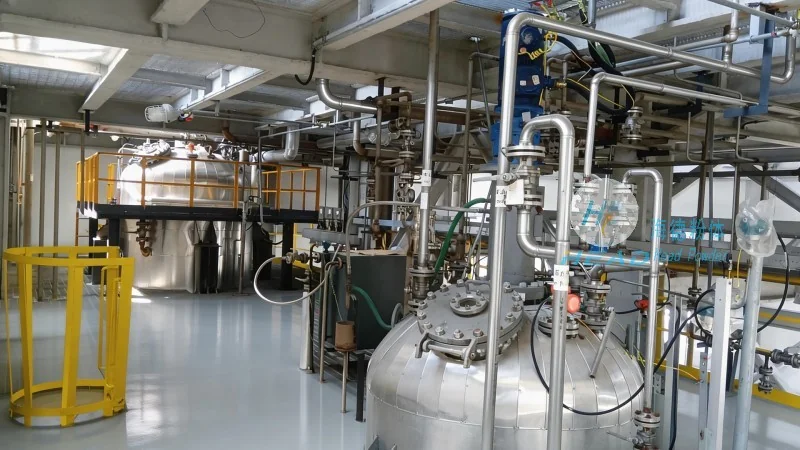
Key Features of Catalyst Powder Conveyors
The features of catalyst powder conveyors are tailored to address the unique challenges of handling catalyst powders, which often include high reactivity, sensitivity to moisture, or abrasive properties. One critical feature is the use of corrosion-resistant materials, such as stainless steel or specialized alloys, to prevent chemical reactions with the catalyst and ensure durability. Another important aspect is the design of the conveyor components, which may include smooth, non-stick surfaces or special coatings to minimize powder adhesion and reduce the risk of product contamination. The system may also incorporate dust collection and filtration systems to maintain a clean environment and comply with safety regulations. Furthermore, many conveyors are equipped with adjustable speed controls and flow monitoring capabilities, enabling operators to optimize the transport process for different catalyst types and batch sizes. The integration of safety features, such as emergency stop buttons and overload protection, is also a standard feature to ensure safe operation in industrial settings.
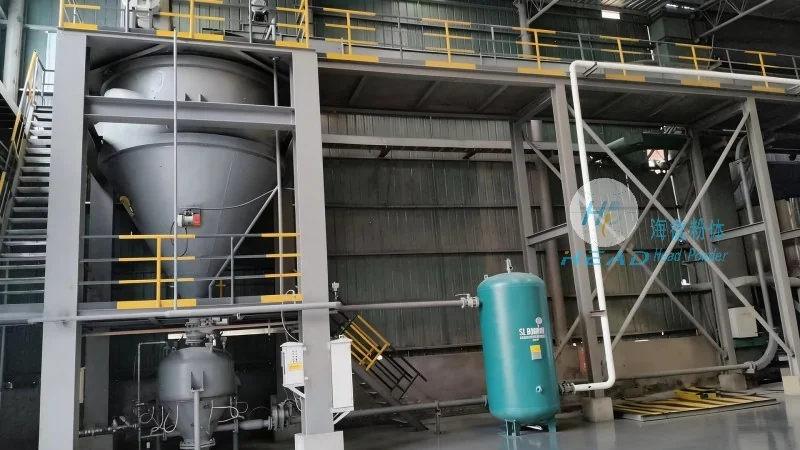
Application-Specific Advantages
When selecting a catalyst powder conveyor, several advantages are particularly relevant for industrial processes. For example, the ability to handle fine powders without agglomeration or segregation is vital for maintaining the catalyst's effectiveness. The conveyor's design may include features like vibration or agitation mechanisms to break up clumps and ensure uniform flow. Additionally, the system's ability to operate under vacuum or pressure conditions allows for integration into closed-loop processes, which is essential for controlling dust emissions and maintaining product purity. The compact design of many conveyors also contributes to space efficiency in industrial facilities, making them suitable for installations with limited floor space. Furthermore, the durability and low maintenance requirements of these systems reduce operational costs over time, providing long-term value for industrial users.