

Working Principle and Features of Desulfurization and Dust Removal Fly Ash Powder Conveying Line
Desulfurization and dust removal processes in industrial facilities generate large volumes of fly ash, which requires efficient and reliable transportation systems to manage. The fly ash powder conveying line, specifically designed for handling such powders, is a critical component in modern industrial waste management. This article explores the working principle and key features of such a system, highlighting its importance in maintaining operational efficiency and environmental compliance.
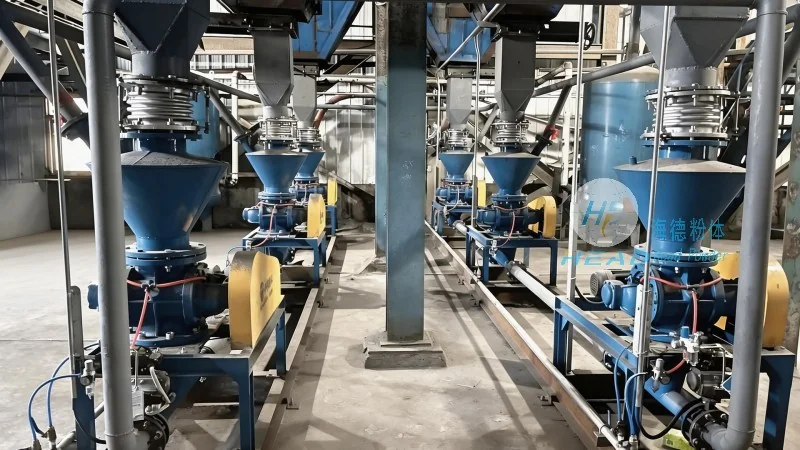
Introduction to Fly Ash Powder Conveying Lines
Fly ash, a byproduct of coal combustion in power plants and other industrial applications, contains fine particles that are challenging to transport due to their dustiness and potential for caking. Traditional methods like manual handling or simple bucket elevators are often insufficient for large-scale operations, leading to inefficiencies and increased health risks. The fly ash powder conveying line addresses these challenges by providing a continuous, automated solution for transporting ash from collection points to storage or disposal sites. This system is essential for optimizing the overall workflow in desulfurization and dust removal processes, ensuring that the ash is moved safely and effectively without disrupting other plant operations.
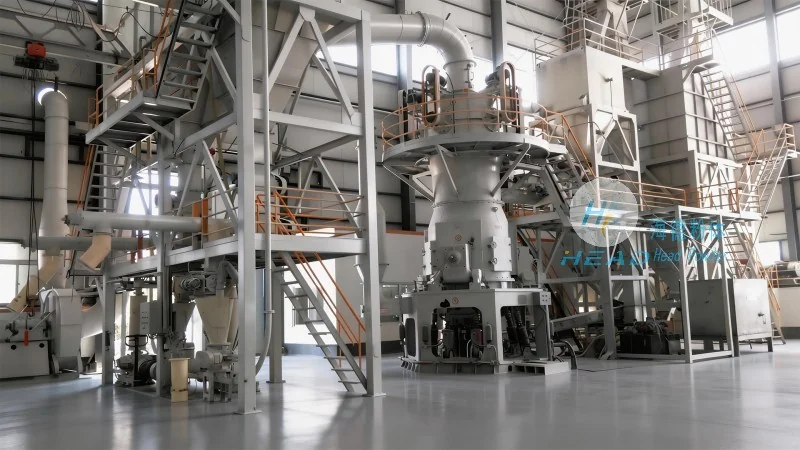
Working Principle of the Desulfurization and Dust Removal Fly Ash Powder Conveying Line
The core of the fly ash powder conveying line is a series of interconnected components that work in tandem to transport the material. The process typically begins with the collection of fly ash from the desulfurization or dust removal equipment. The ash is then fed into a hopper or feeder, which regulates the flow rate to maintain consistent pressure and prevent blockages. From the feeder, the ash is transferred to a conveyor system, which can vary in type depending on the application—such as pneumatic conveyors, screw conveyors, or belt conveyors. Pneumatic conveyors, for instance, use air pressure to move the ash through a pipeline, while screw or belt conveyors rely on mechanical motion to transport the material. The choice of conveyor type depends on factors like the ash's moisture content, particle size, and the distance to be covered. After the ash is conveyed to the desired location, it is discharged into a storage silo or directly to a disposal site. The entire system is controlled by a centralized control panel, which monitors parameters such as pressure, flow rate, and temperature to ensure smooth operation. This control system allows for real-time adjustments, enhancing the reliability and efficiency of the conveying process.
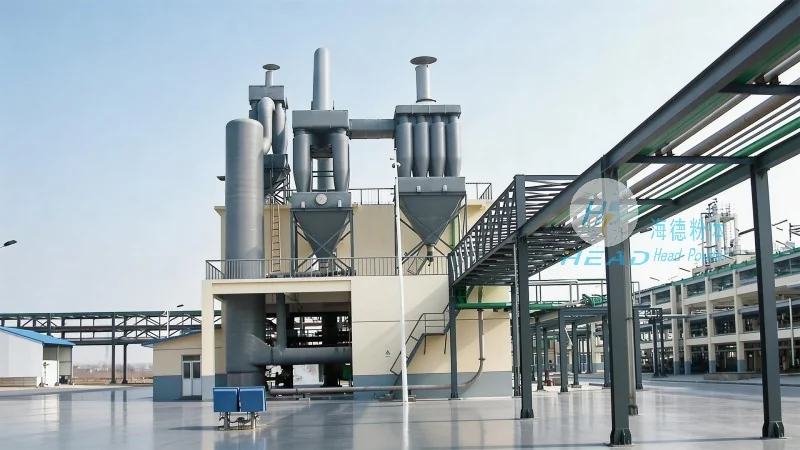
Key Features of the Fly Ash Powder Conveying Line
The fly ash powder conveying line is designed with several key features that make it suitable for demanding industrial environments. One of the primary features is its ability to handle high volumes of material with minimal maintenance. The components are constructed from durable materials, such as stainless steel or corrosion-resistant alloys, which resist wear and tear from abrasive ash particles. This durability reduces downtime and lowers long-term operational costs. Another important feature is the system's dust control capabilities. The conveying line is equipped with sealed hoppers and pipelines to prevent dust emissions, ensuring compliance with environmental regulations and protecting the health of workers. The system also incorporates safety features, such as emergency shut-off valves and pressure relief systems, to prevent accidents and protect personnel. Additionally, the conveying line is designed for easy integration with existing plant infrastructure, allowing for seamless incorporation into the overall desulfurization and dust removal workflow. This adaptability makes it a versatile solution for various industrial applications, from power plants to cement factories. The system's modular design also enables customization, allowing companies to adjust the conveyor length, capacity, or components to meet their specific needs.
Benefits of Using a Desulfurization and Dust Removal Fly Ash Powder Conveying Line
Implementing a fly ash powder conveying line offers numerous benefits for industrial facilities. The most significant advantage is improved operational efficiency. By automating the ash transportation process, the system reduces the need for manual labor, minimizing human error and increasing the speed of material movement. This leads to faster processing times and higher overall productivity. Another key benefit is enhanced safety. The sealed design and automated controls reduce the risk of dust exposure and accidents, creating a safer working environment for employees. Additionally, the system improves environmental compliance by minimizing dust emissions and preventing ash from being released into the atmosphere. This helps facilities meet regulatory requirements and maintain a positive public image. The durability and low maintenance of the components also contribute to cost savings over the long term. By reducing downtime and extending the lifespan of the equipment, the system provides a reliable and cost-effective solution for managing fly ash. Finally, the system's adaptability allows facilities to scale their operations as needed, ensuring that the conveying line can grow with the plant's requirements. This flexibility makes it an investment that delivers long-term value.
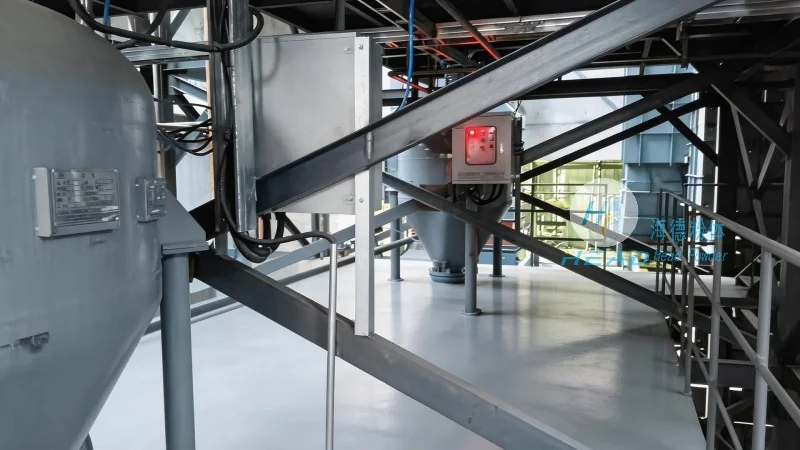
About Shandong HeadPowder Engineering Co., Ltd.
Shandong HeadPowder Engineering Co., Ltd., a leading provider of industrial powder handling solutions, specializes in designing and manufacturing high-quality fly ash powder conveying lines. With years of experience in the industry, the company has developed a deep understanding of the challenges associated with handling desulfurization and dust removal ash. The company's team of engineers and technicians work closely with clients to understand their specific needs and provide tailored solutions that meet their operational requirements. HeadPowder's products are known for their durability, efficiency, and reliability, making them a trusted choice for facilities worldwide. The company's headquarters is located in Shandong, China, where it maintains a state-of-the-art manufacturing facility and research and development center. This allows the company to stay at the forefront of technology and continuously improve its products to meet evolving industry standards. HeadPowder is committed to providing exceptional customer service and support, ensuring that clients receive the best possible solution for their ash handling needs. By choosing HeadPowder, facilities can enhance their operational efficiency, improve safety, and comply with environmental regulations, all while reducing long-term costs.