

Working Principle and Features of Soybean Feed Powder Conveying Equipment
Shandong HeadPowder Engineering Co., Ltd. (HeadPowder), a leading manufacturer in the field of feed processing equipment, introduces its advanced soybean feed powder conveying equipment. This equipment is specifically designed for the efficient and reliable transportation of soybean feed powder, which is a critical component in modern feed production. For agricultural and feed processing enterprises, the ability to handle large volumes of feed powder with high efficiency and low environmental impact is essential for maintaining production efficiency and product quality. HeadPowder's conveying equipment integrates advanced technology and practical application experience to meet these needs.
Working Principle of Soybean Feed Powder Conveying Equipment
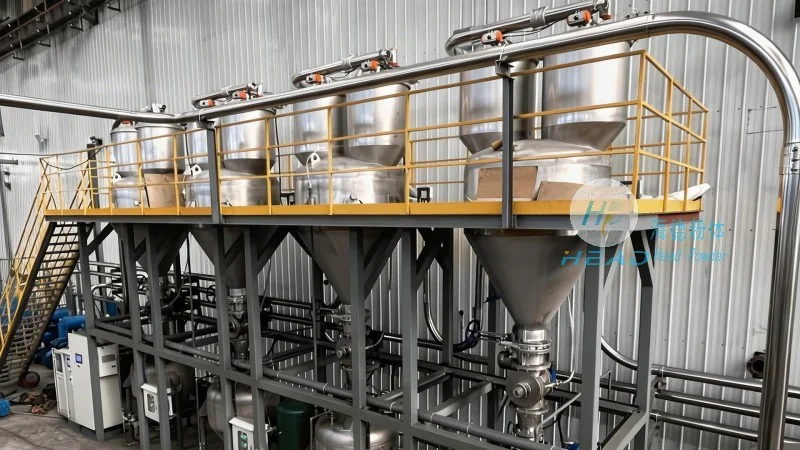
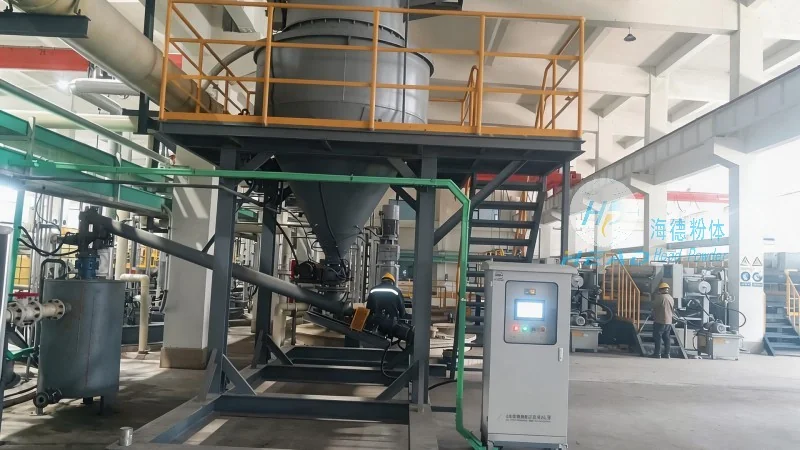
The working principle of the soybean feed powder conveying equipment is based on the air suspension conveying technology. The equipment consists of a hopper, a conveying pipeline, a centrifugal fan, and a control system. The process starts with the feed powder being added to the hopper. The fan then generates a high-velocity air flow, which suspends the powder particles in the air stream. The suspended powder is then carried along the conveying pipeline to the discharge point. The control system monitors the air volume and conveying speed in real time, adjusting them according to the feed powder's particle size, moisture content, and the required conveying distance. This dynamic adjustment ensures stable and efficient conveying performance, minimizing material loss and ensuring consistent product quality.
Key Features of Soybean Feed Powder Conveying Equipment
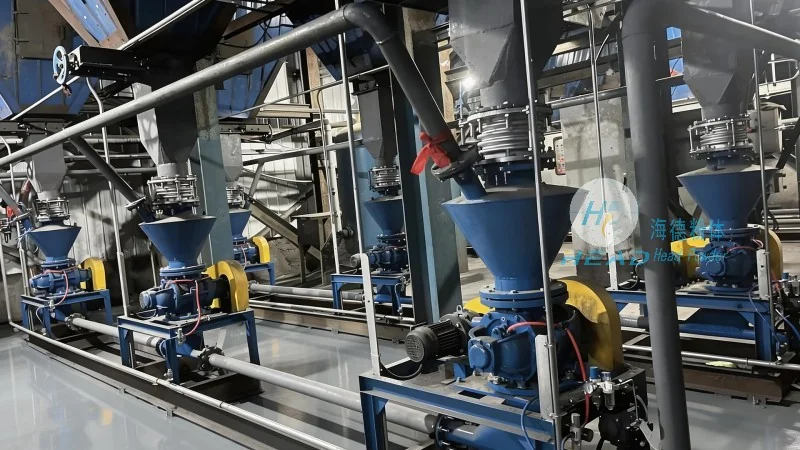
HeadPowder's soybean feed powder conveying equipment is distinguished by several key features that enhance its performance and usability: 1. **Fully Enclosed Design**: The equipment features a fully enclosed structure that prevents dust leakage and protects the environment, complying with environmental regulations. 2. **High Conveying Efficiency**: Equipped with a powerful fan and optimized pipeline design, the equipment can handle large quantities of feed powder quickly, reducing production time and increasing output. 3. **Variable Frequency Control**: The variable frequency motor allows for adjustable conveying speeds, enabling the system to adapt to different feed powder characteristics (e.g., particle size, moisture) and conveying distances. This flexibility ensures optimal performance under various operating conditions. 4. **Stainless Steel Construction**: Made from high-quality stainless steel, the equipment is corrosion-resistant, easy to clean, and meets strict hygiene standards for feed production. This ensures the feed remains free from contamination and maintains its nutritional value. 5. **Compact and Easy to Install**: The compact design of the equipment simplifies installation and maintenance, reducing downtime and operational costs for enterprises. The modular structure allows for easy integration with existing feed processing lines.
Application Scenarios and Advantages
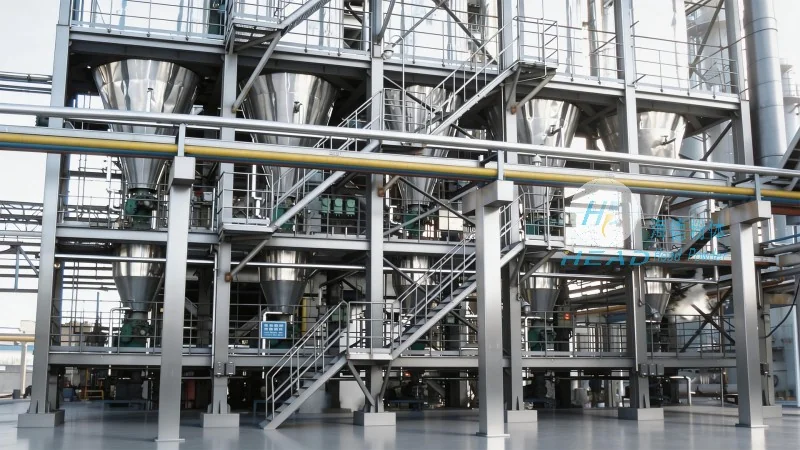
The soybean feed powder conveying equipment is widely applicable in various feed processing and agricultural settings. It is commonly used in feed mills, livestock farms, and pet food production facilities where large volumes of soybean feed powder need to be transported between processing stages. The equipment can be integrated with other feed processing equipment, such as mixers, grinders, and storage silos, to form a complete feed production line. This integration streamlines the production process and improves overall efficiency. The advantages of using this equipment include: - **Enhanced Production Efficiency**: By reducing the time required for powder transportation, the equipment increases the throughput of the entire feed production line. - **Improved Product Quality**: The enclosed design and precise control minimize dust and contamination, ensuring the feed powder maintains its nutritional properties and quality standards. - **Lower Labor and Maintenance Costs**: The automated control system reduces the need for manual labor, and the durable construction lowers maintenance requirements, leading to long-term cost savings for enterprises.