

Working Principle and Characteristics of Calcium Carbide Purification Ash Powder Conveying
Calcium carbide purification ash, often referred to as calcium carbide ash, is a byproduct generated during the production of calcium carbide. This material is typically in a fine powder form and requires efficient conveying systems to be transported from one location to another within industrial facilities. The process of conveying such powders involves specialized equipment designed to handle the unique properties of calcium carbide ash, including its dustiness, potential reactivity, and the need for controlled movement to prevent clogging or material loss.
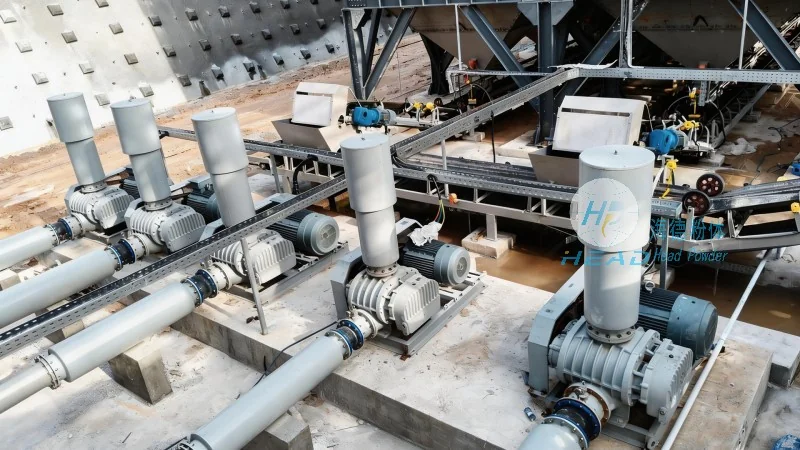
Working Principle of Calcium Carbide Purification Ash Powder Conveying
The primary working principle of calcium carbide purification ash powder conveying systems revolves around the use of pneumatic or mechanical methods to transport the fine powder. Pneumatic conveying systems utilize compressed air to move the powder through a network of pipes, while mechanical systems may employ screw conveyors, belt conveyors, or bucket elevators. The choice of method depends on factors such as the volume of material to be conveyed, the distance between source and destination, and the specific characteristics of the ash, including its moisture content and particle size distribution.
In pneumatic conveying, the system typically consists of a hopper where the ash is stored, a blower or compressor that generates the air flow, and a pipeline network that transports the powder. The air velocity is carefully controlled to ensure that the powder particles are suspended and carried through the pipes without settling or causing blockages. This method is particularly effective for handling fine powders that are prone to dusting and for applications where dust containment is critical.
Mechanical conveying systems, on the other hand, rely on the physical movement of the ash through the equipment. Screw conveyors, for example, use a rotating screw to push the powder along a trough, while belt conveyors use a moving belt to transport the material. These systems are often preferred when the ash has a higher moisture content or when the conveying distance is relatively short. The mechanical method provides a more direct and visible control over the material flow, making it easier to monitor for any issues such as clogging or material degradation.
Key Characteristics of Calcium Carbide Purification Ash Powder Conveying
Several key characteristics define the performance and effectiveness of calcium carbide purification ash powder conveying systems. One of the most significant characteristics is the need for dust control. Calcium carbide ash is a fine powder that can easily generate dust, which poses health and safety risks as well as environmental concerns. Therefore, conveying systems must incorporate dust suppression measures, such as sealed enclosures, air filtration systems, and proper ventilation to minimize dust release.
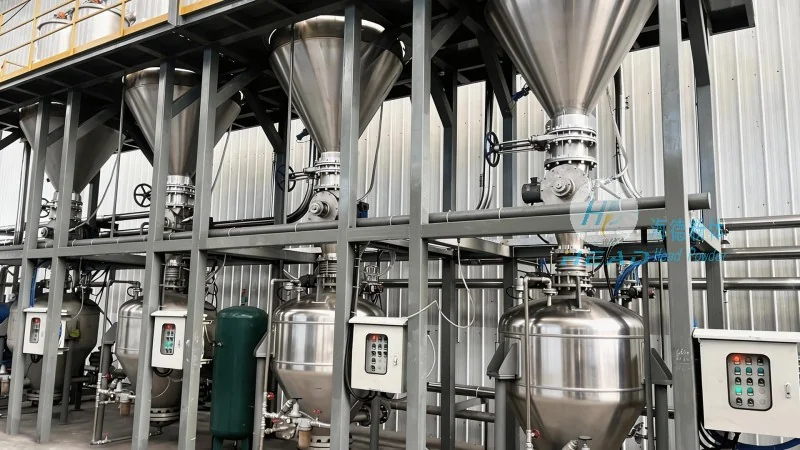
Another important characteristic is the material's potential reactivity. Calcium carbide ash can react with moisture in the air, producing acetylene gas and heat. This reactivity necessitates the use of materials that are resistant to such reactions in the conveying equipment, such as stainless steel or specialized coatings. Additionally, the system must be designed to prevent moisture ingress, as this can lead to spontaneous combustion or other hazardous conditions.
The particle size distribution of the ash is also a critical factor. Fine particles are more prone to clogging and can cause increased pressure drops in pneumatic systems. Therefore, conveying systems may include pre-screening or classification steps to remove oversized particles before they enter the main conveying line. This helps maintain consistent flow rates and reduces the risk of equipment failure.
Efficiency and reliability are also key characteristics. The conveying system must be able to handle the required volume of ash without excessive energy consumption or frequent maintenance. This involves optimizing the air velocity in pneumatic systems or the speed of mechanical components to achieve the desired throughput while minimizing wear and tear on the equipment. Regular maintenance, such as cleaning filters, lubricating moving parts, and inspecting for wear, is essential to ensure the long-term reliability of the system.
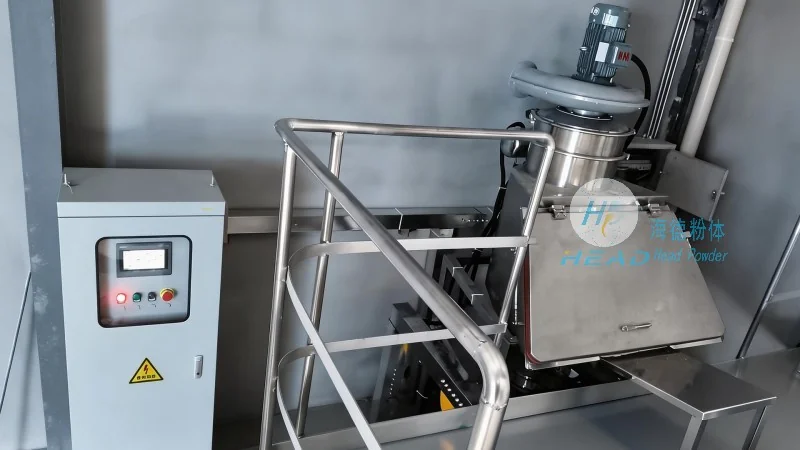
Company Overview: Shandong HeadPowder Engineering Co., Ltd.
Shandong HeadPowder Engineering Co., Ltd., commonly known as HeadPowder, is a leading provider of specialized equipment and solutions for the handling and conveying of various powders, including calcium carbide purification ash. With a focus on innovation and customer satisfaction, HeadPowder has established itself as a trusted partner in the industrial powder processing sector. The company is headquartered in Shandong, China, and has a strong reputation for delivering high-quality, reliable equipment that meets the unique needs of its clients.
HeadPowder's product line includes a range of pneumatic and mechanical conveying systems tailored to the requirements of calcium carbide ash processing. The company's engineers work closely with clients to design customized solutions that optimize material flow, minimize dust generation, and ensure compliance with safety and environmental regulations. By leveraging advanced technology and extensive industry experience, HeadPowder helps industrial facilities improve their operational efficiency and reduce the risks associated with handling fine powders.
HeadPowder's commitment to quality is reflected in its adherence to international standards and rigorous quality control processes. The company's equipment is designed and manufactured to withstand the harsh conditions of powder handling, including high temperatures, moisture, and abrasive materials. This ensures that the conveying systems operate reliably over extended periods, reducing downtime and maintenance costs for clients.
As a company based in China, HeadPowder benefits from the country's robust industrial infrastructure and skilled workforce, enabling it to deliver competitive pricing and timely delivery of its products. The company's location in Shandong also provides easy access to major ports and transportation networks, facilitating the distribution of its equipment to clients both domestically and internationally.