

Working Principle and Characteristics of Coffee Bean Powder Conveying
For coffee processing facilities, efficient and reliable handling of coffee bean powders is crucial for maintaining product quality and operational efficiency. This article explores the working principles and key characteristics of coffee bean powder conveying systems, providing insights into how these technologies enhance the coffee production process.
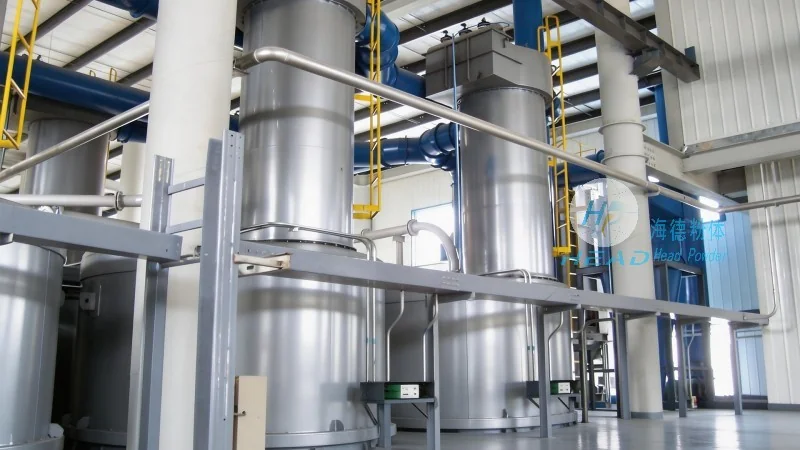
Coffee Bean Powder Conveying: Core Working Principle
The core working principle of coffee bean powder conveying systems involves the use of specialized equipment to transport coffee powders from one location to another within a processing facility. These systems typically operate based on mechanical or pneumatic mechanisms, ensuring that the delicate coffee powders are moved without causing degradation or contamination. The process generally starts with the coffee beans being ground into a fine powder, which is then fed into the conveying system. From there, the powder is transported through pipelines or ducts to the desired destination, such as storage silos, processing units, or packaging areas. The efficiency of the conveying system depends on factors like the powder's density, moisture content, and flowability, all of which are carefully managed to prevent clogging or blockages. Advanced systems may incorporate features like air filtration and pressure control to maintain consistent flow rates and protect the product from external contaminants.
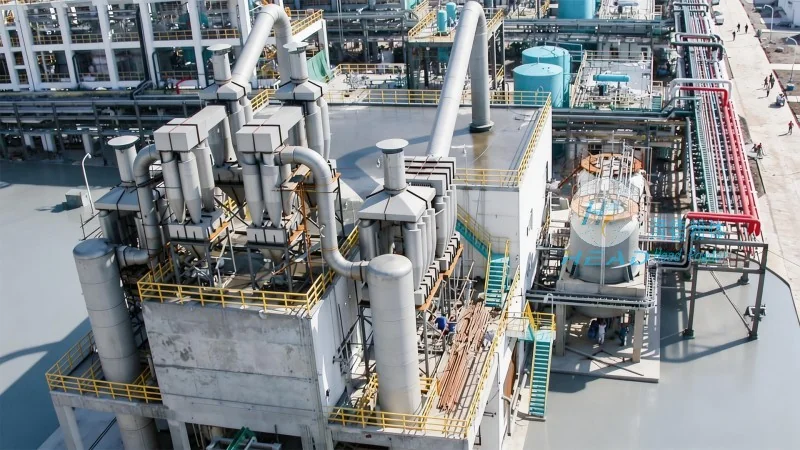
Key Characteristics of Coffee Bean Powder Conveying Systems
Several distinct characteristics define effective coffee bean powder conveying systems, each contributing to their overall performance and suitability for coffee processing applications. First, the systems are designed to handle the unique properties of coffee powders, including their fine particle size and potential for static electricity. This requires specialized materials and components that prevent powder buildup and ensure smooth operation. Second, the conveying mechanisms are often gentle to avoid damaging the coffee's flavor compounds or causing excessive heat, which could alter the product's quality. Third, the systems are equipped with monitoring and control features that allow operators to adjust parameters in real-time, optimizing the conveying process for varying production volumes. Additionally, the design of the conveying lines and components is crucial for preventing cross-contamination, especially when handling different types of coffee powders or blends. The use of stainless steel and other hygienic materials further enhances the systems' ability to meet food safety standards, making them suitable for commercial coffee production.
Applications and Benefits in Coffee Production
Coffee bean powder conveying systems play a vital role in various stages of coffee processing, from initial grinding to final packaging. In the grinding stage, the system efficiently transports the freshly ground powder to storage, ensuring that it is available for subsequent processing steps. During blending, the conveying system can mix different coffee powders or add flavorings, allowing for the creation of custom blends with consistent quality. In the packaging phase, the system delivers the powder to filling machines, ensuring accurate and efficient filling of bags or containers. The benefits of these systems extend beyond operational efficiency; they also contribute to product quality by minimizing exposure to air and moisture, which can cause oxidation and spoilage. Furthermore, the consistent flow and control provided by the conveying systems help maintain product uniformity, reducing variations in flavor and texture across batches. This is particularly important for coffee manufacturers aiming to deliver high-quality products to their customers.
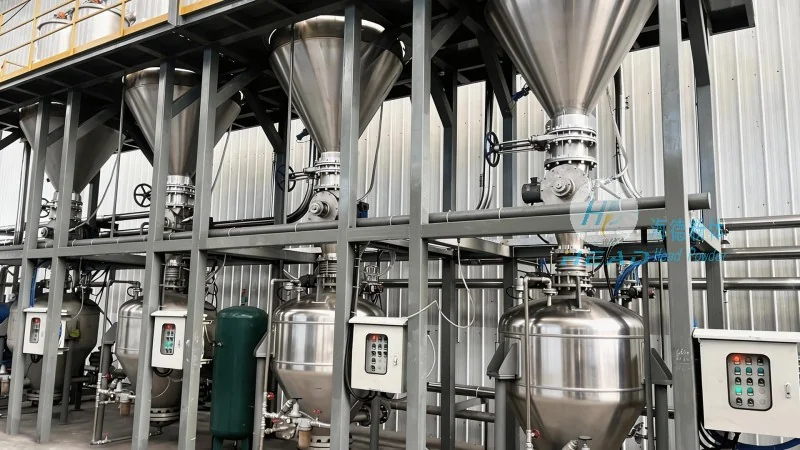
Technical Considerations for Optimal Performance
Ensuring optimal performance of coffee bean powder conveying systems requires attention to several technical aspects. The choice of conveying method—whether mechanical (e.g., screw conveyors, belt conveyors) or pneumatic (e.g., air slides, vacuum systems)—depends on the specific characteristics of the coffee powder and the facility's layout. Mechanical systems are often preferred for their simplicity and reliability, while pneumatic systems offer greater flexibility in handling fine powders and longer distances. The design of the conveying line, including the diameter and material of the pipes, is critical for preventing clogging and ensuring consistent flow. Additionally, the system's control system, which may include sensors for flow rate, pressure, and temperature, allows for real-time adjustments to maintain optimal conditions. Regular maintenance, such as cleaning and lubrication, is essential to prevent wear and tear and maintain the system's efficiency over time. By addressing these technical considerations, coffee processing facilities can maximize the performance of their powder conveying systems and ensure consistent, high-quality coffee production.