

Working Principle and Features of Coffee Pneumatic Conveying Equipment
For coffee processing facilities, efficient material handling is crucial to maintaining production flow and product quality. The coffee pneumatic conveying system, a key piece of equipment in this industry, offers a solution that combines performance, reliability, and adaptability. This article explores the working principle and key features of coffee pneumatic conveyors, providing insights into how they operate and why they are a preferred choice for coffee processing operations. The equipment is manufactured by Shandong HeadPowder Engineering Co., Ltd., a leading provider of industrial conveying solutions with a focus on precision and durability.
Working Principle of Coffee Pneumatic Conveying Equipment
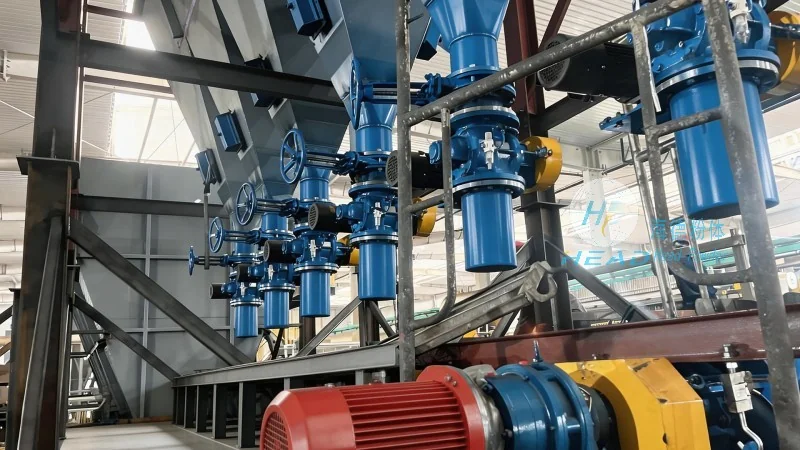
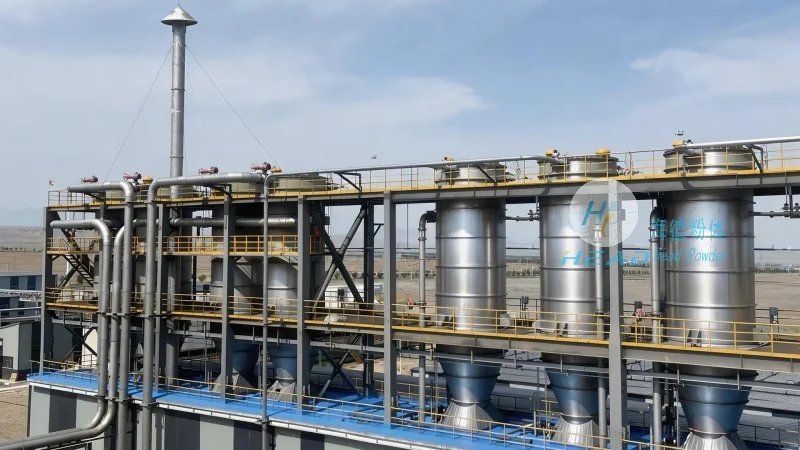
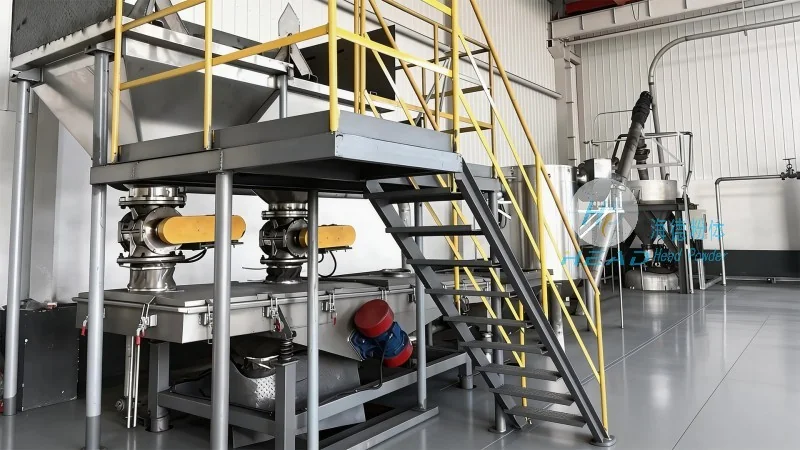
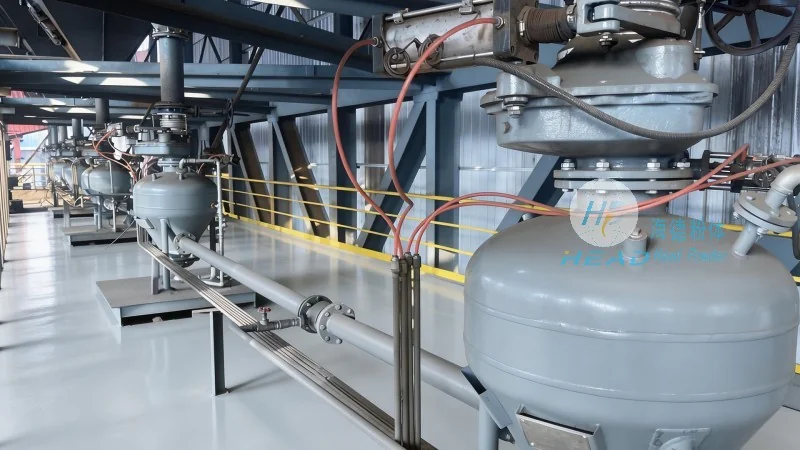
Coffee pneumatic conveying systems operate on the principle of using air to transport bulk materials, such as coffee beans or ground coffee, from one location to another. The process typically involves a series of components that work in tandem to ensure smooth and efficient material movement. At its core, the system relies on a blower or fan to generate the necessary air pressure, which then propels the coffee particles through a pipeline network. The coffee is fed into the system via a hopper or feeder, where it is introduced into the air stream. As the air flows through the pipeline, it carries the coffee particles along, moving them to the desired destination, such as a storage silo, processing unit, or packaging area. The system may include features like cyclones or filters to separate the coffee from the air at the end of the conveying line, ensuring that the coffee remains intact and free from contamination. This pneumatic transport method eliminates the need for mechanical components like belts or buckets, reducing wear and tear and minimizing the risk of product damage. Coffee pneumatic conveying systems can be categorized into two main types: positive pressure and negative pressure systems. Positive pressure systems use a blower to force air and coffee particles through the pipeline, while negative pressure systems create a vacuum to draw the material into the system. Both types operate on the same fundamental principle of air movement, but the choice between them depends on factors such as the distance to be conveyed, the material's characteristics, and the desired level of control. In a positive pressure system, the blower generates high-pressure air that is introduced into the hopper, where the coffee is fed into the air stream. The air then carries the coffee particles through the pipeline to the destination. The system typically includes a filter or cyclone at the receiving end to separate the coffee from the air, ensuring that the product remains clean and free from dust or debris. Negative pressure systems, on the other hand, use a vacuum pump to create a low-pressure environment that draws the coffee into the pipeline. This method is often preferred for longer conveying distances or when handling fine powders, as it reduces the risk of product degradation due to high air speeds. The coffee is collected at the end of the pipeline using a hopper or silo, where it is stored or processed further. Regardless of the system type, the key to efficient operation lies in maintaining consistent air pressure and flow rates, which can be achieved through adjustable controls and monitoring systems. The system may also include features like airlocks or check valves to prevent backflow and ensure unidirectional movement of the coffee. These components help maintain the integrity of the product and prevent contamination from the receiving end. Additionally, some systems incorporate sensors to monitor the flow rate and air pressure in real-time, providing operators with immediate feedback and allowing for quick adjustments if needed. This level of monitoring enhances the system's reliability and ensures consistent performance over time.