

Working Principle and Features of Gypsum and Fly Ash Powder Pneumatic Conveying System
Understanding the working principle and features of a gypsum and fly ash powder pneumatic conveying system is crucial for industries dealing with these materials. This system is designed to efficiently transport fine powders like gypsum and fly ash over long distances with minimal loss and contamination. The core technology behind this equipment involves the use of air as the conveying medium, which creates a flow that moves the powder particles through a pipeline network.
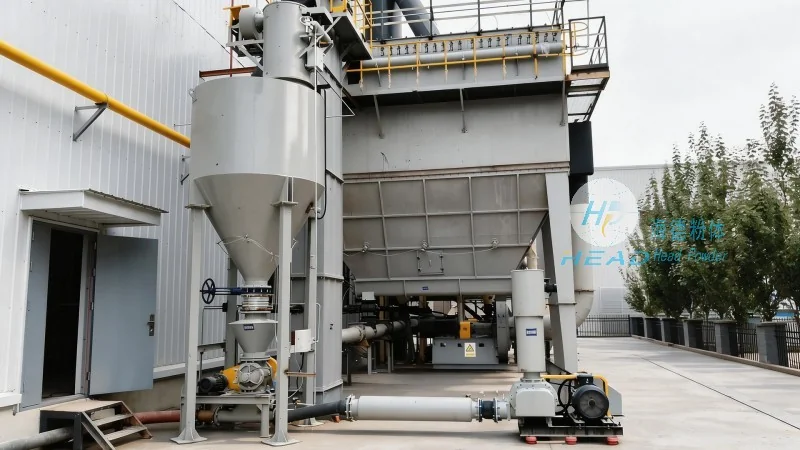
Working Principle of the Gypsum and Fly Ash Powder Pneumatic Conveying System
The system operates on the principle of pneumatic transport, where compressed air is used to generate a flow that propels the powder particles. The process typically begins with the material being fed into a hopper or feeder. From there, the powder is drawn into a pipeline by the moving air stream. The air velocity is carefully controlled to ensure that the powder particles are carried along without settling or clogging the system. The conveying line may include various components such as inlets, outlets, and sometimes a cyclone separator to separate the powder from the air at the end of the line. The entire system is designed to maintain a consistent flow rate and pressure, which is essential for reliable operation.
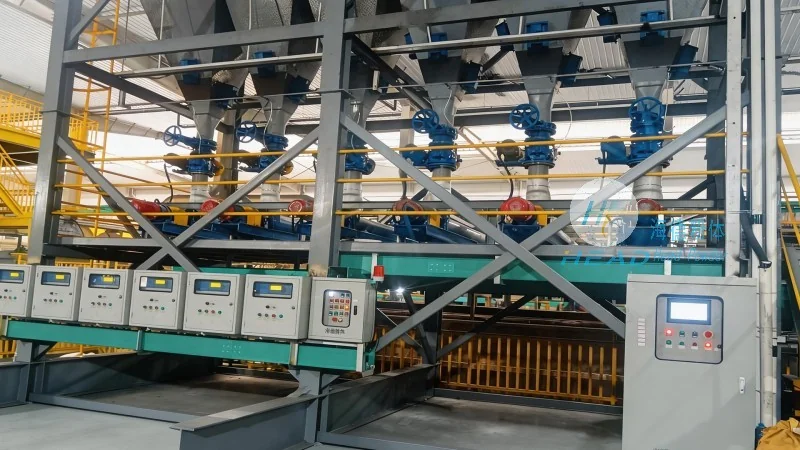
Key Features of the Gypsum and Fly Ash Powder Pneumatic Conveying System
One of the primary features of this system is its ability to handle fine powders without the need for mechanical components that might cause wear or contamination. The pneumatic design minimizes the risk of product degradation and ensures that the material remains in its original state. Another important feature is the system's flexibility in terms of layout and distance. It can be configured to transport materials over long distances, making it suitable for large-scale industrial applications. The system also offers high efficiency in terms of material handling, as it can move large volumes of powder with relatively low energy consumption compared to other methods like belt conveyors. Additionally, the equipment is designed for easy maintenance and cleaning, which helps to reduce downtime and operational costs. The use of air as the conveying medium also allows for the integration of dust collection systems, enhancing safety and compliance with environmental regulations.
Applications and Benefits in Industrial Settings
The gypsum and fly ash powder pneumatic conveying system is widely used in various industrial sectors, including construction, power generation, and cement production. In the construction industry, it is essential for transporting gypsum, which is used in drywall and other building materials. In power plants, fly ash is a byproduct of coal combustion and needs to be transported to disposal or utilization sites. The system's ability to handle these materials efficiently and safely makes it a preferred choice for many companies. The benefits of using this system include improved productivity, reduced labor costs, and enhanced safety due to the enclosed nature of the conveying process. Furthermore, the system's design allows for easy integration with existing industrial processes, minimizing the need for major modifications to current operations.
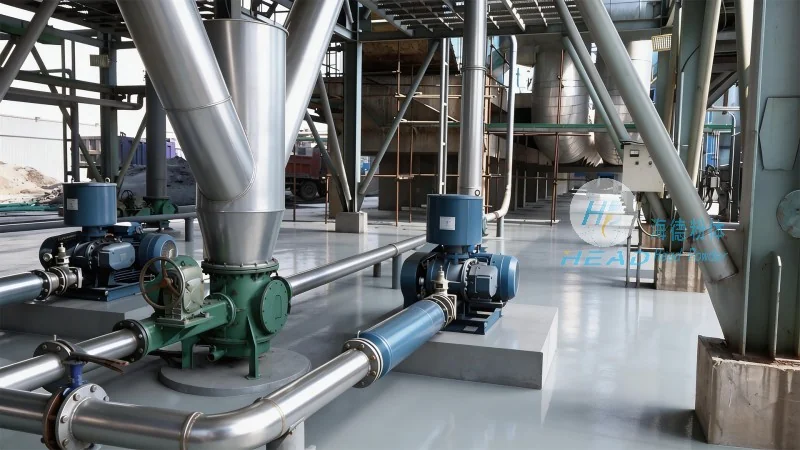
Company Overview: Shandong HeadPowder Engineering Co., Ltd.
Shandong HeadPowder Engineering Co., Ltd., operating under the brand name headpowder, is a leading manufacturer of pneumatic conveying systems. With a focus on innovation and quality, the company has developed advanced solutions for transporting fine powders. HeadPowder's expertise lies in designing systems that are tailored to the specific needs of their clients, ensuring optimal performance and reliability. The company's facilities are located in Shandong, China, where they leverage local resources and expertise to produce high-quality equipment. Their commitment to customer satisfaction and technological advancement has made them a trusted partner in the industry. HeadPowder's systems are known for their durability, efficiency, and ease of maintenance, making them a reliable choice for businesses looking to enhance their material handling capabilities.