

What is a Feed Pellet Material Pneumatic Conveying Equipment? And What Are Its Design Principles?
For professionals in the animal feed industry, understanding the technology behind efficient material handling is crucial. One key piece of equipment that has revolutionized the way feed pellets are transported is the pneumatic conveying system. This article explores the concept of feed pellet material pneumatic conveying equipment and delves into its fundamental design principles, highlighting the importance of such systems in modern feed processing operations. Shandong HeadPowder Engineering Co., Ltd., a leading manufacturer in the field, has developed advanced pneumatic conveying systems that are designed to meet the specific needs of feed processing facilities.
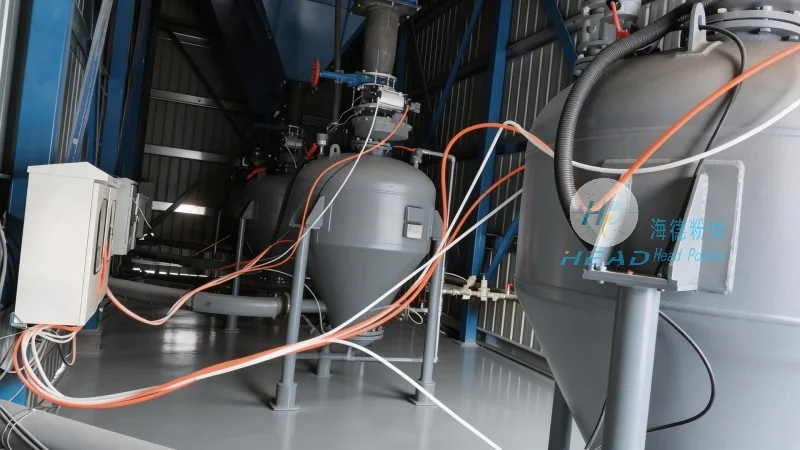
Introduction to Feed Pellet Material Pneumatic Conveying Equipment
Feed pellet material pneumatic conveying equipment is a specialized system designed to transport feed pellets from one location to another using compressed air or other gas streams. Unlike traditional mechanical conveyors, which rely on physical components like belts or screws, pneumatic systems utilize the force of air to move materials through a pipeline network. This method offers several advantages, including reduced equipment wear, lower maintenance costs, and the ability to handle a wide range of feed pellet types without causing product degradation. The equipment typically consists of a feeding hopper, a compressor or blower, a pipeline system, and a receiving hopper or silo. The entire system is engineered to ensure efficient, reliable, and hygienic transport of feed pellets, which is essential for maintaining product quality and meeting industry standards.
Key Components of the Pneumatic Conveying System
The effectiveness of a feed pellet material pneumatic conveying system depends on its well-designed components, each playing a critical role in the overall operation. The feeding hopper is the initial component where feed pellets are loaded. It is designed to provide a consistent flow of material into the system, often equipped with a rotary valve or feeder to control the discharge rate. The compressor or blower is the heart of the system, generating the necessary pressure or vacuum to move the pellets through the pipeline. There are two main types of pneumatic conveying systems based on the operating principle: pressure and vacuum systems. In pressure systems, the compressor pushes air and material through the pipeline, while in vacuum systems, a vacuum is created at the receiving end to draw material into the line. The pipeline system, usually made of stainless steel or other corrosion-resistant materials, ensures the safe and efficient transport of feed pellets. It is designed with appropriate bends, elbows, and straight sections to minimize pressure loss and prevent material buildup. The receiving hopper or silo is where the feed pellets are deposited after being conveyed. It is typically equipped with a discharge valve to control the release of material into downstream processes or storage.
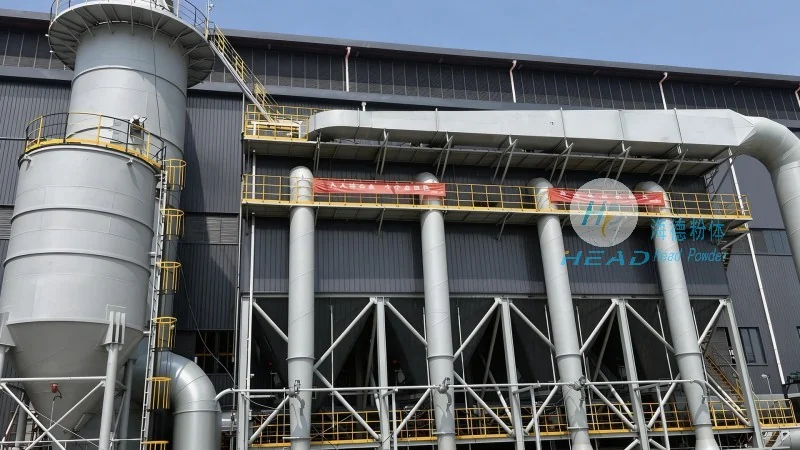
Design Principles for Efficient Pneumatic Conveying
The design of a feed pellet material pneumatic conveying system follows several key principles to ensure optimal performance and reliability. First, the system must be designed to handle the specific characteristics of the feed pellets, such as particle size, density, and moisture content. The particle size is a critical factor, as larger pellets may require higher air velocities to maintain flow, while smaller pellets may need lower velocities to prevent segregation or blockages. The density and moisture content of the pellets also affect the air-to-material ratio, which is the ratio of air volume to material volume. An optimal air-to-material ratio is essential to achieve efficient transport without excessive energy consumption. Second, the system must be designed for minimal pressure loss. Pressure loss occurs as the air and material move through the pipeline, and excessive loss can lead to reduced conveying capacity or even system failure. Designers use principles of fluid dynamics and aerodynamics to calculate the appropriate air velocity and pipeline dimensions to minimize pressure loss. Third, the system must be designed for easy maintenance and cleaning. Feed pellets can be dusty or sticky, which may cause blockages or contamination. Therefore, the components, especially the pipeline and hopper, are designed with smooth surfaces and easy-to-clean features to prevent material buildup and ensure hygienic operation. Fourth, the system must be designed for safety and compliance with industry standards. This includes proper ventilation to remove dust and fumes, explosion-proof features for certain applications, and adherence to local regulations regarding material handling and environmental protection.
Advantages of Using Pneumatic Conveying for Feed Pellets
Implementing a pneumatic conveying system for feed pellets offers numerous advantages over traditional mechanical conveyors. One of the most significant benefits is the reduction in equipment wear and tear. Since there are no moving parts in direct contact with the feed pellets, the system experiences less friction and abrasion, leading to longer equipment life and lower maintenance costs. Another advantage is the ability to handle a wide range of feed pellet types without causing product degradation. Pneumatic systems can transport delicate or sensitive feed pellets without crushing or breaking them, preserving their nutritional value and quality. Additionally, pneumatic conveying systems are more flexible in terms of layout and installation. They can be installed in various configurations, including vertical, horizontal, or a combination of both, to fit the specific space and operational requirements of a feed processing facility. This flexibility allows for more efficient use of space and easier integration with other processing equipment. Furthermore, pneumatic systems offer better control over the conveying process. The flow rate and pressure can be adjusted as needed to match the production demands, ensuring smooth and continuous operation. This control is particularly important in feed processing, where consistent product quality and throughput are critical.
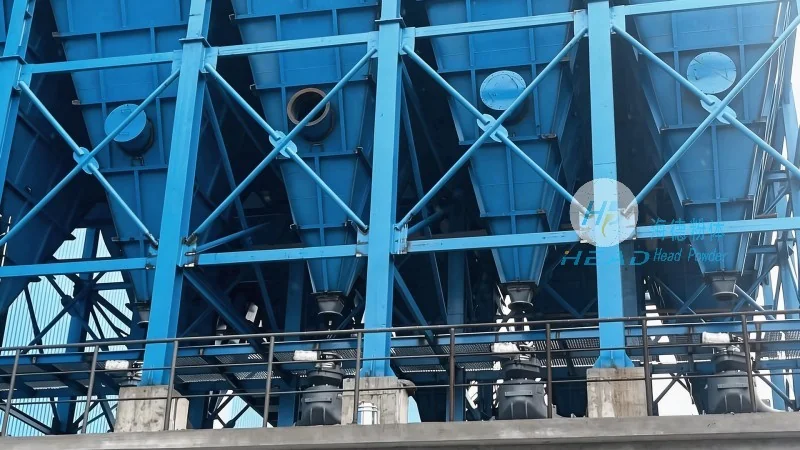
Applications and Use Cases
Feed pellet material pneumatic conveying equipment is widely used in various applications within the animal feed industry. One common application is the transport of feed pellets from the pelletizing machine to the storage silos or packaging lines. This is a critical step in the feed production process, as it ensures that the freshly produced pellets are moved efficiently and hygienically to the next stage. Another application is the transfer of feed pellets between different processing units, such as from a mixing plant to a drying facility or from a storage silo to a loading dock. Pneumatic systems are also used in feed mills to convey raw materials like grains or pellets from storage to the processing line. In addition, these systems are used in feed manufacturing plants to transport finished feed products to distribution centers or to customers. The versatility of pneumatic conveying systems makes them suitable for a wide range of feed processing operations, from small-scale feed mills to large industrial feed production facilities.
Conclusion and Importance for Modern Feed Processing
In conclusion, feed pellet material pneumatic conveying equipment is a vital component in modern feed processing operations. Its design principles, which focus on efficiency, reliability, and product quality, make it an essential tool for feed manufacturers. By utilizing compressed air to transport feed pellets, these systems offer significant advantages over traditional mechanical conveyors, including reduced wear and tear, better product handling, and greater flexibility. The key components, including the feeding hopper, compressor, pipeline, and receiving hopper, work together to ensure the smooth and hygienic transport of feed pellets. The design principles, such as optimizing the air-to-material ratio, minimizing pressure loss, and ensuring easy maintenance, are crucial for the effective operation of the system. The advantages of using pneumatic conveying systems, including lower maintenance costs, improved product quality, and flexible layout, make them a preferred choice for many feed processing facilities. As the animal feed industry continues to evolve, the importance of efficient material handling systems like pneumatic conveying will only grow, ensuring that feed manufacturers can meet the increasing demand for high-quality animal feed products while maintaining operational efficiency and cost-effectiveness.