

What is Ceramic Particle Pneumatic Conveying? And What Are Its Design Principles?
Understanding ceramic particle pneumatic conveying is crucial for industries dealing with fine or abrasive materials. This method involves transporting solid particles through a pipeline using a gas stream, typically air or other gases. The process is widely used in various sectors, including ceramics, pharmaceuticals, and food processing, due to its efficiency and ability to handle materials that are difficult to transport by other means.
Introduction to Ceramic Particle Pneumatic Conveying
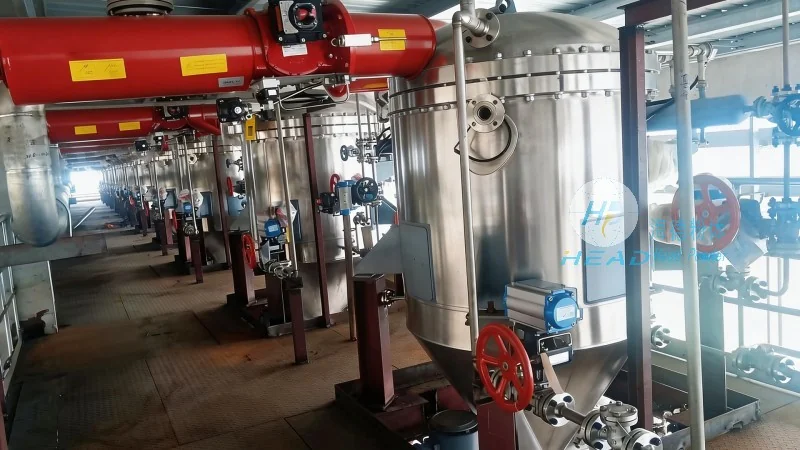
Ceramic particle pneumatic conveying is a technology that enables the transport of ceramic materials in the form of fine powders or granules through a closed system using compressed air or other gas. This method is particularly advantageous for materials that are prone to dust, have high abrasiveness, or require a sterile environment. The system typically consists of a hopper, a feeder, a pipeline, and a receiver, all working in tandem to ensure efficient material transfer.
About HeadPowder: A Leading Provider in Pneumatic Conveying Solutions
HeadPowder, or Shandong HeadPowder Engineering Co., Ltd., is a prominent company based in Shandong, China, specializing in the design, manufacturing, and installation of pneumatic conveying systems. With years of experience in the industry, HeadPowder has established itself as a trusted partner for businesses seeking reliable solutions for ceramic particle handling. The company's expertise lies in customizing systems to meet specific operational requirements, ensuring optimal performance and durability.
Key Design Principles of Ceramic Particle Pneumatic Conveying Systems
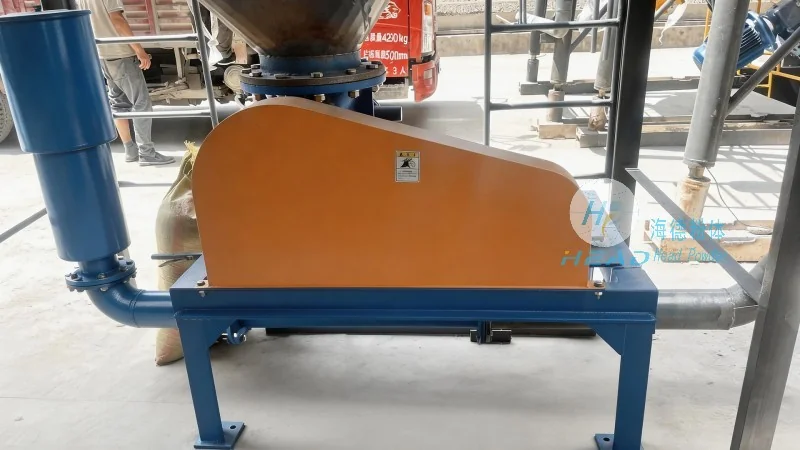
The design of a ceramic particle pneumatic conveying system involves several critical principles to ensure efficient and safe operation. First, the system must be designed to handle the specific properties of ceramic materials, such as their particle size, density, and abrasiveness. This includes selecting appropriate materials for the hopper, feeder, and pipeline to prevent wear and tear. Second, the air velocity must be carefully controlled to maintain a stable flow of particles without causing excessive pressure drops or particle degradation. Third, the system should incorporate features like cyclones or filters to separate the particles from the gas stream, ensuring minimal dust emissions and compliance with environmental regulations.
Components and Their Roles in the Conveying Process
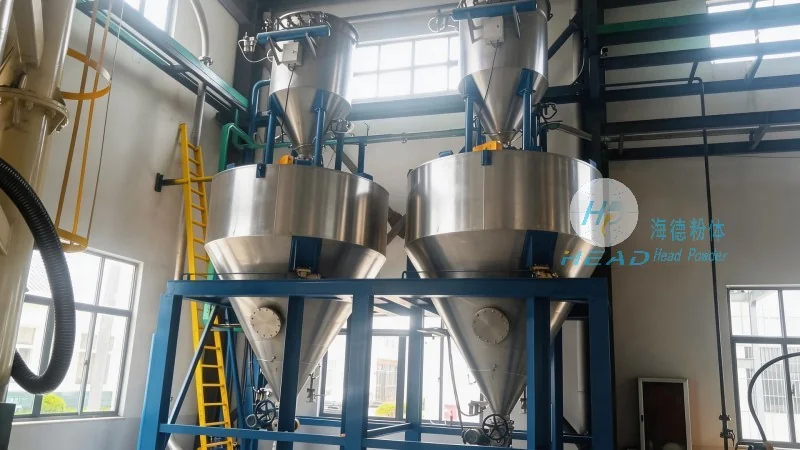
A typical ceramic particle pneumatic conveying system comprises several key components, each playing a vital role in the overall operation. The hopper serves as the storage container for the ceramic particles, providing a consistent feed to the system. The feeder, often a rotary valve or a screw feeder, regulates the flow rate of the particles into the pipeline. The pipeline, usually made of stainless steel or other corrosion-resistant materials, transports the particles and gas mixture. The receiver collects the conveyed particles and may include a dust collection system to capture any fine particles that escape. Additionally, the system may include a blower or compressor to generate the necessary air pressure for conveying.
Advantages of Using Ceramic Particle Pneumatic Conveying
There are several advantages to employing ceramic particle pneumatic conveying in industrial applications. One of the primary benefits is the ability to transport materials over long distances without the need for intermediate transfer points, which reduces operational costs and improves process efficiency. Another advantage is the reduced risk of material contamination, as the system is enclosed and can be designed to be sterile. Furthermore, the method minimizes the risk of product degradation, as the particles are not subjected to excessive mechanical stress or friction. Finally, the system is relatively compact and can be integrated into existing production lines, making it a flexible solution for various industrial needs.
Applications in the Ceramic Industry
Ceramic particle pneumatic conveying is extensively used in the ceramic industry for the transport of raw materials, such as clay, feldspar, and quartz, as well as finished products like tiles and ceramics. The technology is particularly useful in production lines where materials need to be moved between different processing stages, such as from a grinding mill to a mixing tank or from a kiln to a storage area. By using pneumatic conveying, manufacturers can achieve higher throughput and better control over the material flow, leading to improved production efficiency and product quality.
Conclusion
In summary, ceramic particle pneumatic conveying is a highly effective method for transporting ceramic materials, offering numerous benefits over traditional methods. The design principles and components of such systems are carefully engineered to handle the unique properties of ceramic particles, ensuring efficient and reliable operation. Companies like Shandong HeadPowder Engineering Co., Ltd. play a crucial role in providing customized solutions that meet the specific needs of industrial clients, helping them optimize their material handling processes and improve overall productivity.