

What is a Wood Dust Material Handling System? What is the Design Principle?
Wood dust material handling systems are essential for efficient and safe processing of wood dust in various industrial applications. These systems are designed to transport, collect, and manage wood dust from production processes, ensuring optimal performance and worker safety. Understanding the components and design principles of such systems is crucial for industries dealing with wood dust, as it directly impacts operational efficiency and environmental compliance.
Introduction to Wood Dust Material Handling Systems
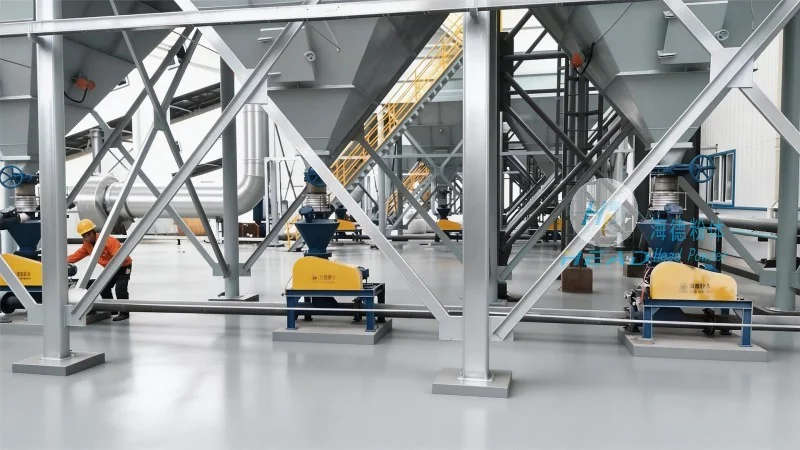
Wood dust material handling systems are specialized equipment used to manage wood dust generated during woodworking, sawmilling, and other wood processing operations. The primary goal of these systems is to capture dust at its source, transport it to a collection point, and then either recycle it or dispose of it properly. This not only improves air quality but also reduces the risk of fire hazards and health issues associated with wood dust exposure. The design of these systems varies based on the specific application, dust characteristics, and operational requirements of the facility.
About HeadPowder: Your Trusted Partner in Material Handling Solutions
HeadPowder, a leading provider of industrial material handling solutions, specializes in designing and manufacturing wood dust material handling systems. With years of experience in the industry, HeadPowder has developed a reputation for delivering high-quality, reliable systems that meet the unique needs of wood processing facilities. The company is headquartered in Shandong, China, and serves clients globally with tailored solutions that enhance productivity and safety. HeadPowder's commitment to innovation and customer satisfaction has made it a trusted name in the field of material handling for wood dust applications.
The Core Design Principles of Wood Dust Material Handling Systems
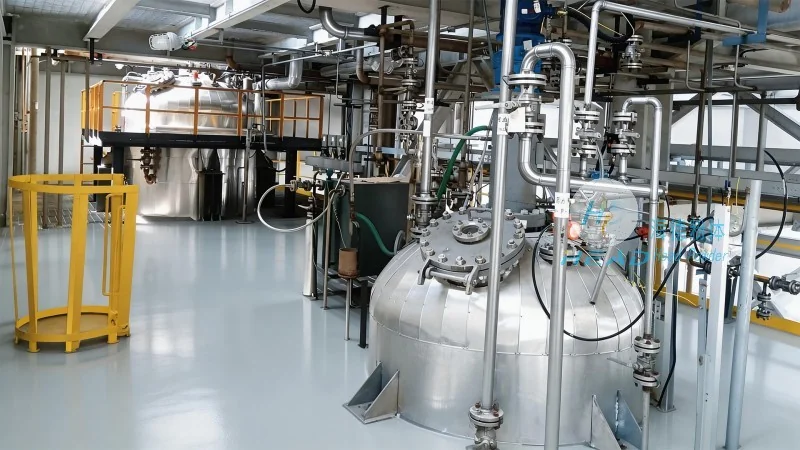
The design of a wood dust material handling system is based on several key principles to ensure effective and safe operation. The first principle is dust capture at the source, which involves using appropriate equipment such as dust hoods or enclosures to collect dust as it is generated. This minimizes the spread of dust into the workplace and reduces the need for extensive air filtration. The second principle is efficient transportation, which relies on systems like vacuum or pressure conveying to move the collected dust from the capture point to a collection or processing unit. The choice of conveying method depends on factors such as dust concentration, distance, and the required flow rate. The third principle is proper collection and storage, which involves using dust collectors or silos to store the collected dust until it is either reused or disposed of. The design must also consider the dust's properties, such as its moisture content and particle size, to ensure the system operates efficiently without clogging or damage.
Key Components of a Wood Dust Material Handling System
A typical wood dust material handling system consists of several interconnected components that work together to achieve effective dust management. The main components include dust capture devices, conveying systems, dust collectors, and storage or processing units. Dust capture devices, such as hoods or enclosures, are designed to contain the dust at its source and direct it into the conveying system. Conveying systems, which can be either vacuum or pressure-based, transport the dust from the capture point to the collection unit. Vacuum systems use suction to draw dust into the system, while pressure systems use compressed air to push the dust through the lines. Dust collectors, often equipped with filters or cyclones, separate the dust from the air stream and store it in a container. Finally, storage or processing units may be used to recycle the dust back into the production process or to dispose of it safely. Each component must be carefully selected and integrated to ensure the system operates smoothly and meets the specific requirements of the application.
Applications and Benefits of Wood Dust Material Handling Systems
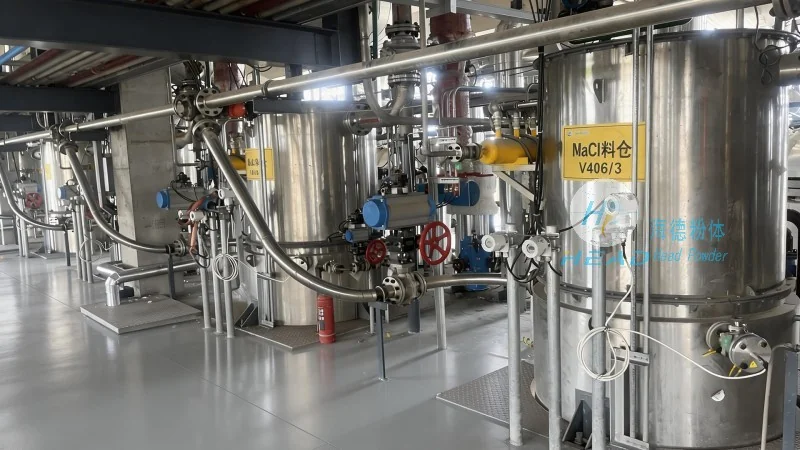
Wood dust material handling systems are widely used in various industries, including woodworking, furniture manufacturing, and sawmilling. These systems are particularly beneficial in facilities where wood dust is a byproduct of the production process. The primary benefits of implementing such a system include improved air quality, reduced fire hazards, enhanced worker safety, and increased operational efficiency. By capturing and managing wood dust effectively, facilities can comply with environmental regulations and maintain a safe working environment. Additionally, the ability to recycle wood dust can lead to cost savings and reduced waste. The design of the system must be tailored to the specific application to maximize these benefits and ensure optimal performance.
Conclusion
In conclusion, wood dust material handling systems are critical for the efficient and safe management of wood dust in industrial settings. The design principles and components of these systems are carefully selected to meet the unique needs of each application. HeadPowder, with its expertise and commitment to quality, provides reliable solutions that enhance productivity and safety in wood processing facilities. By understanding the importance of these systems and their design, industries can make informed decisions to improve their operations and comply with regulations. The continued development of advanced material handling systems ensures that wood dust management remains effective and sustainable in the future.