

What is a Polyethylene Material Conveying Line? And What Are Its Design Principles?
When it comes to material handling in industrial settings, the polyethylene material conveying line stands out as a crucial system for efficiently transporting polyethylene materials. This type of conveying line is specifically designed to handle polyethylene-based materials, which are widely used in various industries due to their versatility and durability. As a professional manufacturer, Shandong HeadPowder Engineering Co., Ltd. specializes in developing and supplying high-quality polyethylene material conveying lines that meet the diverse needs of clients across China.
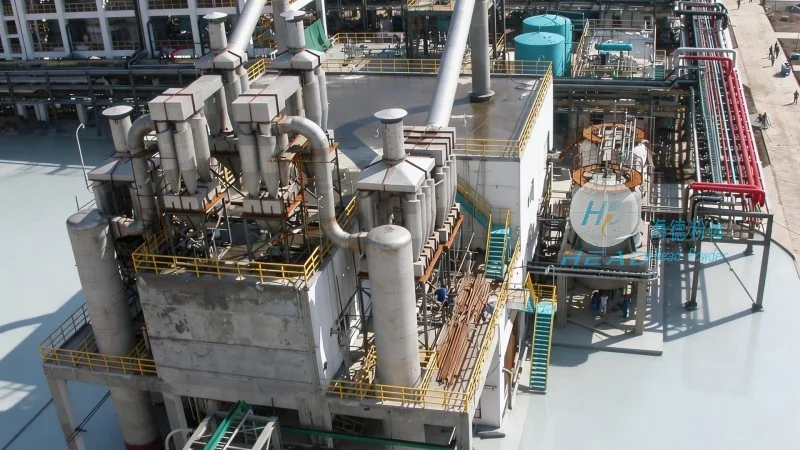
What is a Polyethylene Material Conveying Line?
A polyethylene material conveying line is a mechanical system engineered to transport polyethylene materials from one location to another within an industrial facility. These lines typically consist of components such as polyethylene conveyor belts, drive systems, support structures, and control mechanisms. The primary function of this system is to move polyethylene materials, which may include pellets, granules, or other forms of polyethylene products, with precision and efficiency. The design of such a conveying line is tailored to the specific characteristics of polyethylene, including its density, flowability, and resistance to abrasion and chemicals. By utilizing specialized materials and engineering techniques, these conveying lines ensure reliable and consistent material transport, minimizing downtime and maximizing productivity in industrial operations.
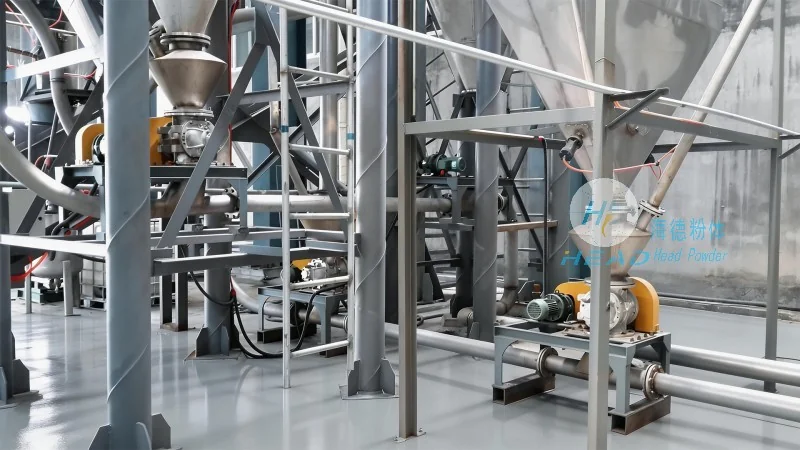
Design Principles of Polyethylene Material Conveying Lines
The design of a polyethylene material conveying line follows several key principles aimed at optimizing performance and durability. First, the system must be constructed using materials that are compatible with polyethylene, such as high-quality steel or specialized polymers, to prevent wear and tear from the polyethylene material itself. The conveyor belt, for instance, is often made from a durable polyethylene or rubberized compound that can withstand the weight and friction of polyethylene pellets or granules. Second, the layout of the conveying line is carefully planned to minimize the number of bends and changes in direction, as these can cause material buildup or damage to the system. The use of smooth, gradual curves and proper incline angles ensures that polyethylene materials move smoothly without excessive stress on the components. Third, the drive system is designed to provide consistent and adjustable speed control, allowing operators to regulate the flow rate based on the specific requirements of the production process. This flexibility is crucial for maintaining optimal throughput and preventing overloading or underloading of the conveying line. Additionally, the support structures are engineered to distribute the weight of the polyethylene material evenly, reducing the risk of structural failure and ensuring long-term stability.
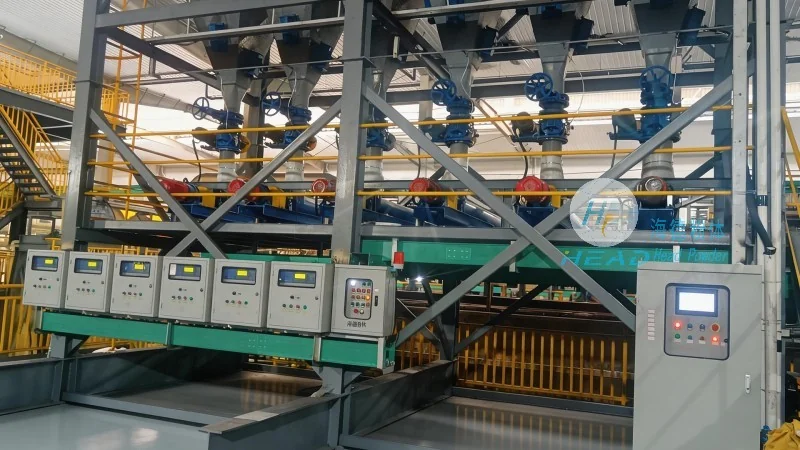
Key Components and Their Functions
Several critical components make up a polyethylene material conveying line, each playing a vital role in the overall operation. The most prominent component is the conveyor belt, which serves as the primary surface for transporting polyethylene materials. Made from a durable material such as polyethylene or a rubberized compound, the belt is designed to have a smooth, non-stick surface that prevents the polyethylene material from adhering to it. This feature is essential for maintaining the flow of materials and preventing clogs or blockages. The drive system, typically consisting of a motor and gearbox, provides the necessary power to move the conveyor belt. The motor is connected to the gearbox, which adjusts the speed and torque to match the requirements of the conveying line. The drive system is usually located at one end of the line and transmits power through a pulley or chain system to the entire conveyor belt. Support structures, such as metal frames or steel beams, are used to hold the conveyor belt at the correct height and maintain its alignment. These structures are designed to be sturdy and resistant to the weight and movement of the polyethylene material. The tensioning system, which includes a tensioning device and a take-up pulley, is responsible for maintaining the proper tension on the conveyor belt. This ensures that the belt remains taut and does not sag or slip, which could lead to material spillage or system inefficiency. Finally, the control system, which may include sensors, switches, and a control panel, monitors the operation of the conveying line and allows operators to adjust settings as needed. This system helps maintain the optimal performance of the line and alerts operators to any issues that may arise.
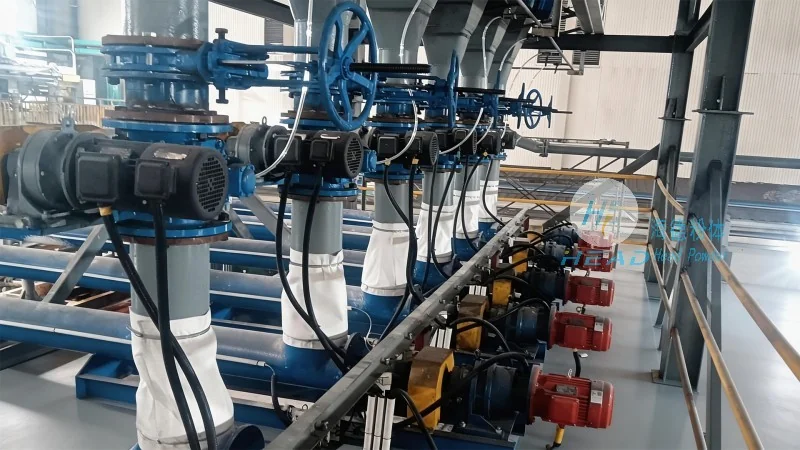
Application Scenarios and Benefits
Polyethylene material conveying lines are widely used in various industrial applications, particularly in the plastics manufacturing, chemical processing, and packaging industries. In the plastics industry, these lines are commonly used to transport polyethylene pellets or granules from storage silos to processing machines, such as extruders or injection molding equipment. This ensures a continuous and efficient supply of raw materials, which is critical for maintaining production rates. In chemical processing plants, polyethylene material conveying lines are used to move polyethylene products through different stages of production, such as mixing, drying, and packaging. The benefits of using a polyethylene material conveying line in these applications include improved efficiency, reduced labor costs, and enhanced safety. By automating the material transport process, companies can minimize the need for manual handling, which reduces the risk of accidents and injuries. Additionally, the consistent flow of materials provided by the conveying line helps maintain the quality of the final product by ensuring that the polyethylene material is handled gently and without contamination. Another significant benefit is the ability to scale the system to meet the growing demands of production. As production volumes increase, the conveying line can be expanded or modified to accommodate higher throughput, making it a flexible and cost-effective solution for industrial operations. Overall, the polyethylene material conveying line is an essential component of modern industrial facilities, providing reliable and efficient material transport that supports productivity and profitability.