What is a Pigment Material Conveying Line? And What Are Its Design Principles?
Release time:2026-09-16 00:01:16
name of the company:Shandong Headpowder Engineering Co., Ltd.
telephone:156-6277-7102
contacts:Zhang manager
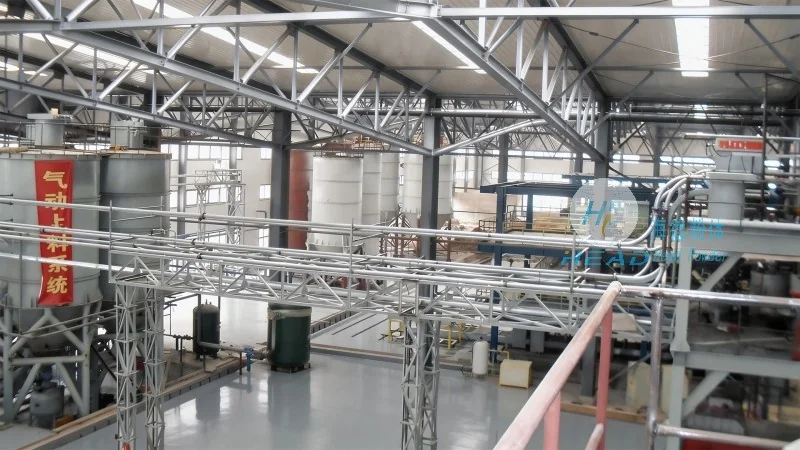
For industrial applications that require the efficient and reliable transport of pigment materials, understanding the role and design principles of a pigment material conveying line is crucial. These systems are integral to processes in various industries, including paint manufacturing, plastics, and coatings, where the precise handling of pigments ensures product quality and operational efficiency.
About HeadPowder: Your Trusted Partner in Material Handling Solutions
HeadPowder, a leading manufacturer based in Shandong, China, specializes in the design, development, and implementation of advanced material conveying systems. With a strong commitment to innovation and customer satisfaction, HeadPowder has established itself as a reliable partner for businesses seeking efficient solutions for pigment and powder handling. The company’s headquarters is located in Shandong, China, where it leverages local expertise and resources to deliver high-quality engineering services.
Design Principles of Pigment Material Conveying Lines
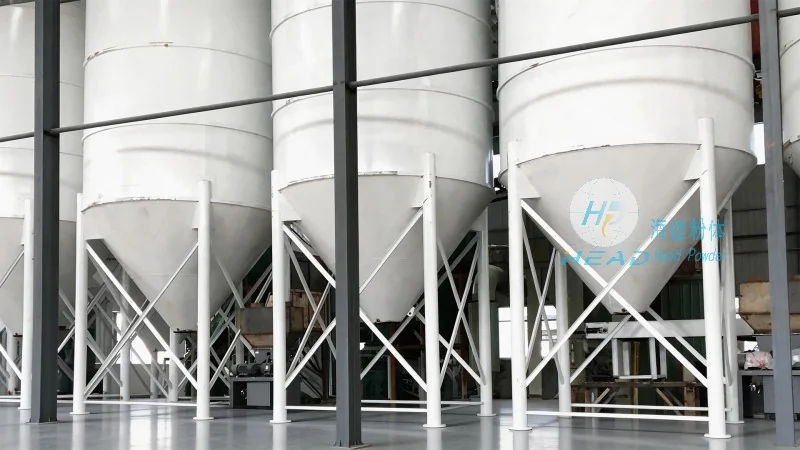
The design of a pigment material conveying line is a complex process that involves careful consideration of several key factors to ensure optimal performance. The primary goal is to create a system that can handle the specific characteristics of pigment materials, such as their particle size, density, and flowability, while maintaining minimal product degradation and ensuring consistent throughput. Several design principles are fundamental to achieving these objectives:
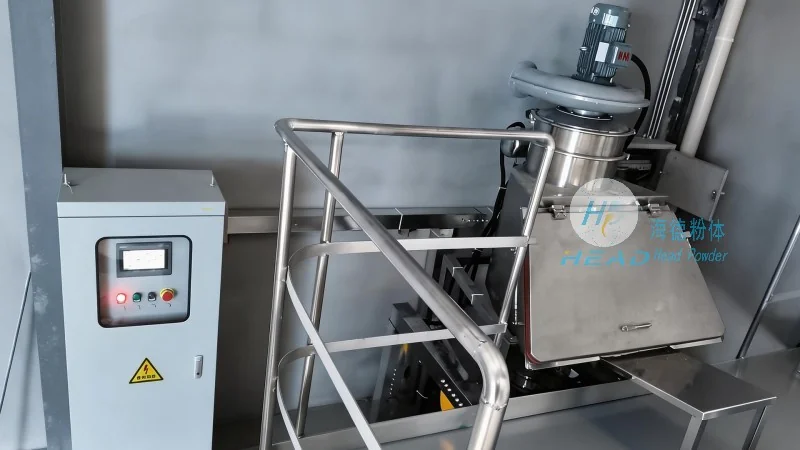
- Material Compatibility: The conveying line components, including hoppers, chutes, and pumps, must be constructed from materials that are resistant to the chemical and physical properties of the pigments. This prevents contamination and ensures the longevity of the system.
- Flow Control: Proper design of the hopper and feeding mechanisms is essential to maintain a consistent flow of material. This involves considering factors like the angle of repose, bulk density, and cohesive properties of the pigments to prevent bridging or caking, which can lead to blockages and reduced efficiency.
- Energy Efficiency: Modern conveying systems are designed to minimize energy consumption while maximizing throughput. This is achieved through the use of efficient drive systems, optimized pipe diameters, and the selection of appropriate conveying methods (e.g., pneumatic, mechanical, or hybrid systems) based on the specific material characteristics and process requirements.
- Safety and Maintenance: The design must incorporate safety features to protect operators and prevent accidents, such as proper ventilation for dust control and emergency stop mechanisms. Additionally, the system should be designed for easy maintenance and cleaning to minimize downtime and ensure long-term reliability.
Key Components of a Pigment Material Conveying Line
A typical pigment material conveying line consists of several interconnected components that work together to transport the material from the source to the destination. The main components include:
- Feed Hopper: The feed hopper is the initial storage and feeding unit that holds the pigment material. It is designed to provide a consistent flow of material to the conveying system, often equipped with a discharge valve or feeder to control the rate of material release.
- Conveying Equipment: This is the core of the system, responsible for moving the pigment material through the line. Common types of conveying equipment include screw conveyors, pneumatic conveyors, and bucket elevators, each with its own advantages and applications depending on the material properties and process requirements.
- Control System: The control system manages the operation of the conveying line, including the start and stop of the equipment, flow rate adjustments, and monitoring of system performance. Modern systems often incorporate sensors and automation to ensure precise control and reduce human error.
- Discharge and Dosing Unit: The discharge unit is where the pigment material is released from the conveying line, typically into a processing vessel or storage tank. The dosing unit may be integrated to control the exact amount of material added to the process, ensuring accurate formulation and consistent product quality.
Applications of Pigment Material Conveying Lines
Pigment material conveying lines are widely used in various industrial applications where the handling of powders and pigments is critical. Some common applications include:
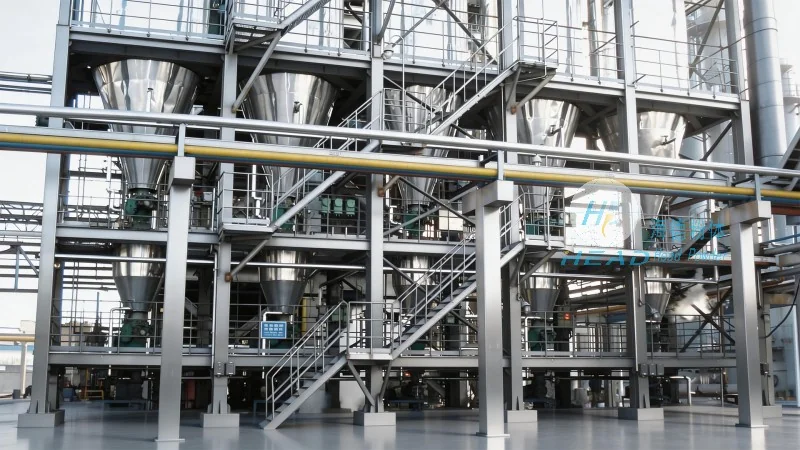
- Paint and Coating Manufacturing: In the production of paints and coatings, pigment material conveying lines are used to transport pigments from storage to mixing and processing equipment. This ensures a consistent supply of pigments, which is essential for achieving uniform color and quality in the final products.
- Plastics and Rubber Processing: The plastics and rubber industries rely on pigment material conveying lines to add colorants to raw materials during the manufacturing process. Efficient conveying ensures that the pigments are evenly distributed throughout the material, resulting in consistent color and texture in the final products.
- Food and Pharmaceutical Industries: While less common for some pigments, conveying lines are used in the food and pharmaceutical sectors to handle food-grade pigments and colorants, ensuring that the materials are handled hygienically and in compliance with regulatory standards.
Advantages of Using a Pigment Material Conveying Line
Implementing a well-designed pigment material conveying line offers several advantages for industrial operations:




