Activated carbon is a cornerstone material in numerous industrial applications, serving as a key adsorbent for processes ranging from water purification and air filtration to pharmaceutical manufacturing and food processing. The efficient and safe transportation of activated carbon from production to end-use is paramount for maintaining operational efficiency and product integrity. This article explores the concept of activated carbon material handling equipment and examines the fundamental design principles that underpin its functionality in industrial settings.
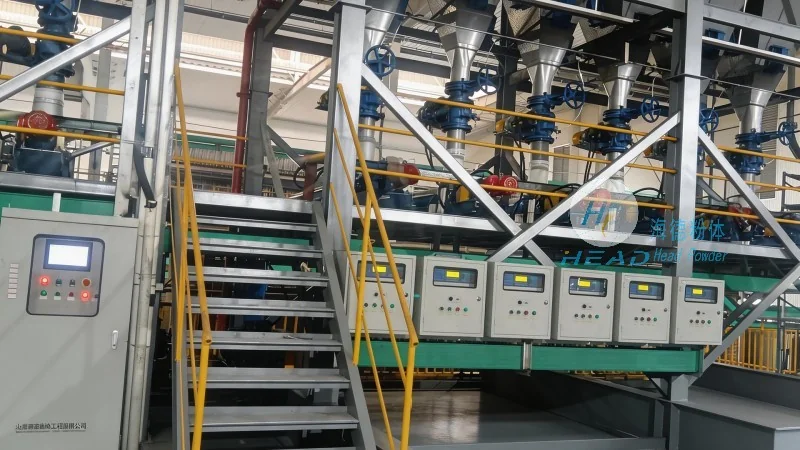
Defining Activated Carbon Material Handling Equipment
Activated carbon material handling equipment encompasses a range of machinery and systems engineered to transport, store, and manage activated carbon in its various forms—powder, granules, or pellets. These systems are specifically designed to address the unique challenges posed by activated carbon, including its fine particle size, low bulk density, and tendency to generate dust during handling. The equipment must ensure minimal product loss, prevent contamination, and maintain the physical and chemical properties of the activated carbon throughout the handling process.
Core Design Principles for Optimal Performance
The design of activated carbon material handling equipment is guided by several critical principles to ensure reliability and efficiency. First, dust control is a primary consideration, as activated carbon particles are lightweight and can easily become airborne, leading to contamination and safety hazards. Enclosed systems, dust collection hoods, and filtration units are commonly integrated into the design to minimize dust emissions and maintain a clean working environment. Second, material flow optimization is essential to prevent segregation and ensure uniform distribution of the activated carbon. This involves the use of specialized feeders, such as rotary airlock valves or vibratory feeders, and conveyor systems with adjustable speeds to regulate the flow rate and prevent material buildup or clogging.
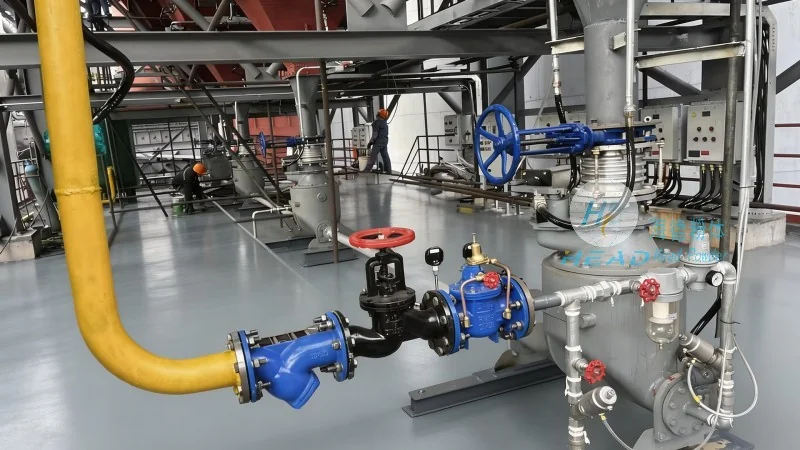
Third, the equipment is constructed from materials that are compatible with activated carbon and resistant to chemical reactions or corrosion. Stainless steel, food-grade plastics, and specialized coatings are typical choices to prevent adhesion and contamination. The design also accounts for the mechanical properties of activated carbon, such as its abrasiveness, by using durable components like reinforced conveyor belts and wear-resistant hoppers to extend the equipment's lifespan. Additionally, the system is designed for easy maintenance and cleaning to prevent cross-contamination between batches of activated carbon, ensuring consistent product quality.
Key Components and Functionalities
Activated carbon material handling equipment typically consists of several interconnected components, each serving a specific role in the material flow process. The primary components include feeders, conveyors, storage silos, and discharge systems. Feeders, such as rotary airlock valves or vibratory feeders, regulate the flow of activated carbon from storage to processing equipment, ensuring a consistent and controlled feed rate. Conveyors, including belt conveyors, screw conveyors, or pneumatic systems, transport the activated carbon from one location to another. Storage silos are used to store large quantities of activated carbon, often equipped with aeration systems to maintain material quality and prevent caking or compaction. Discharge systems, such as bottom discharge valves or pneumatic discharge units, allow for the controlled release of the material to downstream equipment.
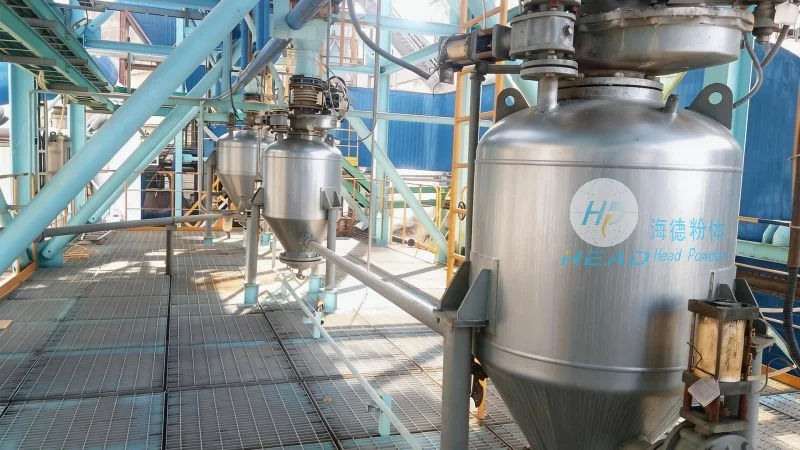
Each component is tailored to the specific characteristics of activated carbon. For instance, screw conveyors are preferred over belt conveyors for fine activated carbon powders because they can handle the material without causing excessive dust or segregation. Pneumatic conveying systems are utilized for long-distance transport or when the material needs to be transported in a closed, dust-free environment, ensuring that the material remains intact and free from contamination. The selection of components depends on factors such as the particle size of the activated carbon, the required flow rate, and the distance between storage and processing areas.
Industrial Applications and Benefits
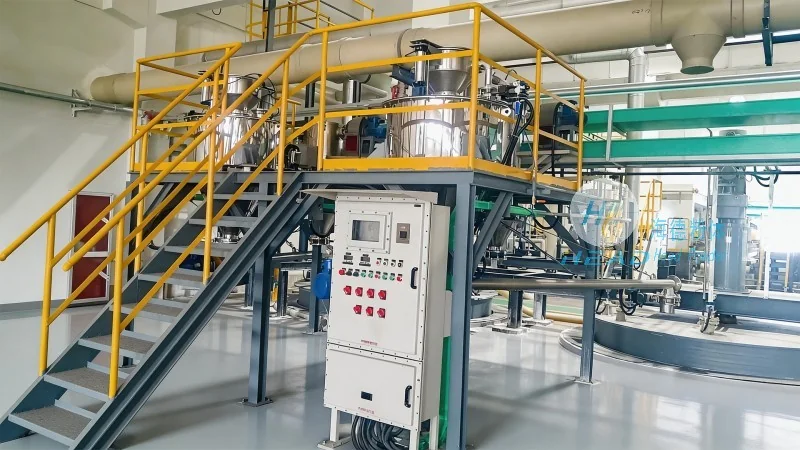
Activated carbon material handling equipment is widely utilized across various industries, including water treatment, air purification, pharmaceuticals, and food processing. In water treatment plants, the equipment ensures that activated carbon is efficiently transported to filters and reactors, maintaining water quality standards and removing impurities. In air purification systems, the equipment delivers activated carbon to adsorption units, effectively removing odors and pollutants from industrial exhaust, improving air quality and compliance with environmental regulations. In the pharmaceutical industry, the equipment handles activated carbon used in drug purification processes, ensuring that the final product meets stringent quality and safety requirements. The benefits of using specialized material handling equipment for activated carbon include improved operational efficiency, reduced product loss, enhanced workplace safety, and consistent product quality, ultimately contributing to cost savings and increased productivity.
Conclusion
Activated carbon material handling equipment is a critical component in the industrial processes that rely on this essential material. The design principles and components of these systems are meticulously engineered to address the unique challenges of handling activated carbon, ensuring efficient, safe, and reliable operation. By understanding the design principles and functionalities of such equipment, industries can optimize their processes, minimize downtime, and maintain high standards of product quality. As the demand for activated carbon continues to grow in sectors like environmental protection and healthcare, the importance of reliable material handling systems will only increase, making them a strategic investment for any organization that uses this valuable material.




