Soybean meal is a critical byproduct in the agricultural and food processing sectors, widely utilized as animal feed and in various food products. Efficient handling and transportation of this material are essential for maintaining production efficiency and ensuring product quality. This article explores the concept of soybean meal material handling equipment and delves into its fundamental design principles, offering insights into how these systems are engineered to meet industrial demands.
Understanding Soybean Meal Material Handling Equipment
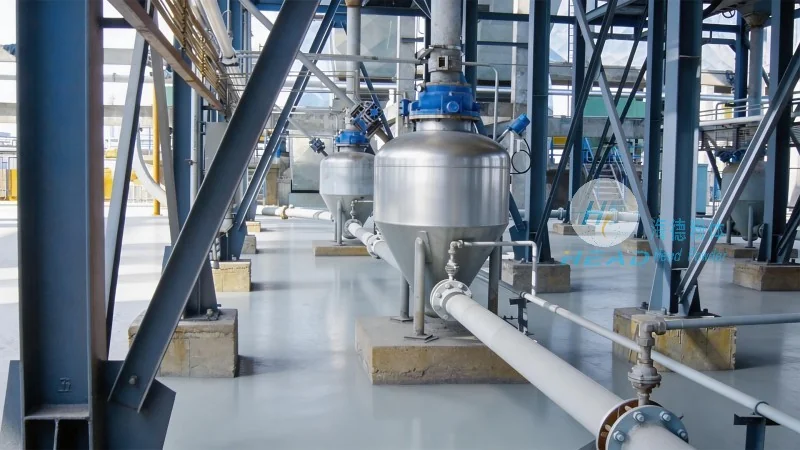
Soybean meal material handling equipment refers to a range of machinery and systems designed to transport, store, and process soybean meal from the point of production to its final destination. These systems are integral to the supply chain, enabling seamless movement of the material through various stages, from extraction and drying to packaging and distribution. The equipment typically includes components such as conveyors, elevators, storage silos, and feeding mechanisms, all tailored to handle the unique characteristics of soybean meal, including its granular texture, moisture content, and potential for dust generation.
The Role of HeadPowder in Soybean Meal Handling Solutions
Shandong HeadPowder Engineering Co., Ltd., a leading manufacturer based in China, specializes in developing advanced material handling solutions for the agricultural sector. With a strong commitment to innovation and quality, HeadPowder has established itself as a trusted provider of soybean meal handling equipment. The company’s products are engineered to address the specific challenges of soybean meal processing, ensuring reliability, efficiency, and compliance with industry standards. By leveraging years of experience and technical expertise, HeadPowder delivers customized solutions that meet the diverse needs of clients in the animal feed and food processing industries.
Key Design Principles for Soybean Meal Handling Equipment
The design of soybean meal material handling equipment is guided by several critical principles aimed at optimizing performance, safety, and operational efficiency. One of the primary considerations is the material’s physical properties, such as its flowability and tendency to clog or agglomerate. Equipment designers must account for these characteristics to prevent blockages and ensure smooth material flow. For instance, the use of inclined conveyors and rotary valves is common to facilitate the movement of granular materials like soybean meal, reducing the risk of jamming and improving throughput.
Another crucial design principle is the integration of dust control measures. Soybean meal is a fine powder that can generate significant dust during handling, posing health and safety risks. Therefore, equipment is often equipped with dust collection systems, sealed enclosures, and proper ventilation to minimize airborne particles. This not only enhances worker safety but also protects the material from contamination and degradation. Additionally, the design emphasizes durability and corrosion resistance, as soybean meal can be acidic and contain moisture that may affect metal components over time.
Components and Functionalities of Soybean Meal Handling Systems
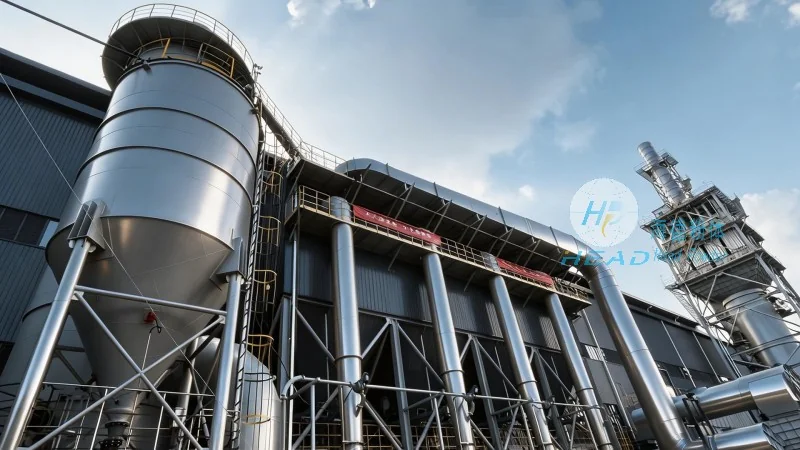
A typical soybean meal material handling system comprises several interconnected components, each serving a specific function to ensure efficient operation. The system begins with a receiving hopper or silo, where raw soybean meal is stored before processing. From there, a conveyor system, such as a belt or screw conveyor, transports the material to subsequent processing stages. Elevators may be used to lift the material to higher levels, enabling vertical movement and integration with other processing equipment. Storage silos are often included to maintain inventory levels and provide a buffer between production and distribution.
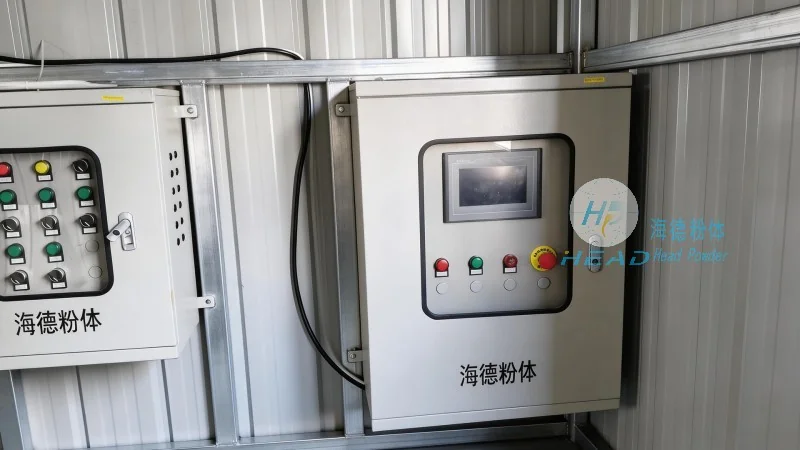
Feeding mechanisms, such as rotary valves or gate valves, control the flow rate of soybean meal into downstream equipment, ensuring consistent and controlled discharge. These components are critical for maintaining process stability and preventing overloading or underloading of processing machinery. Additionally, the system may include screening or cleaning equipment to remove impurities, ensuring the final product meets quality standards. The integration of these components into a cohesive system allows for automated and continuous operation, reducing labor costs and improving overall productivity.
Applications and Benefits of Soybean Meal Handling Equipment
Soybean meal material handling equipment finds widespread application in various industries, including animal feed manufacturing, food processing, and biofuel production. In animal feed production, efficient handling ensures that soybean meal is delivered to mixing and extrusion equipment in the correct quantities, contributing to the production of high-quality feed for livestock. In food processing, the equipment supports the production of soy-based products, such as tofu, soy milk, and protein isolates, by ensuring consistent material supply and quality control.
The benefits of using specialized soybean meal handling equipment extend beyond operational efficiency. By reducing material loss and contamination, these systems help maintain product quality and meet regulatory requirements. Additionally, the automation and control features of modern equipment enhance safety by minimizing manual handling of the material, which can be dusty and potentially hazardous. The durability and reliability of well-designed equipment also lead to lower maintenance costs and longer service life, providing a favorable return on investment for businesses.
Conclusion
Soybean meal material handling equipment is a vital component of modern agricultural and food processing operations, enabling the efficient and safe transportation of this valuable material. The design principles and components of these systems are tailored to address the unique challenges of soybean meal, ensuring optimal performance and reliability. As a leading manufacturer, Shandong HeadPowder Engineering Co., Ltd. continues to innovate and provide advanced solutions that meet the evolving needs of the industry. By understanding the design principles and applications of soybean meal handling equipment, businesses can enhance their operational efficiency, improve product quality, and achieve sustainable growth in the competitive market.




