

What is a Dry Flue Gas Desulfurization Gypsum Powder Conveying System? Exploring Its Design Principl
When it comes to managing the byproducts of flue gas desulfurization (FGD) processes, the handling of gypsum powder is a critical step. The dry flue gas desulfurization gypsum powder conveying system is a specialized piece of equipment designed to efficiently transport this fine powder from the desulfurization unit to storage or disposal sites. Understanding the components and design principles behind such systems is essential for optimizing performance and ensuring compliance with environmental regulations.
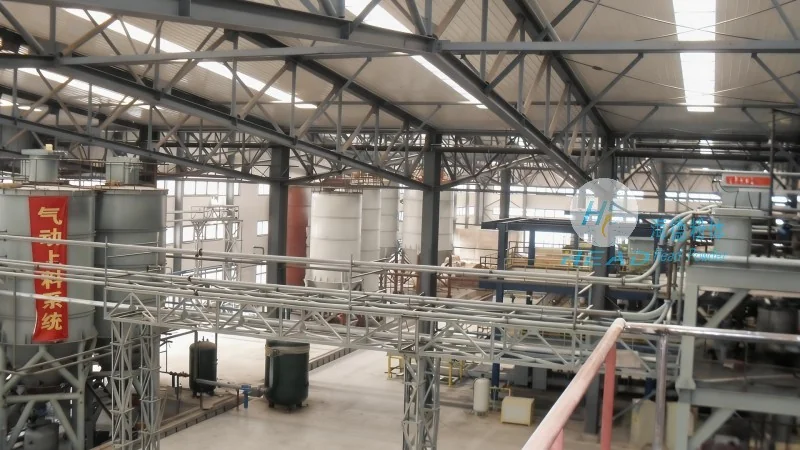
Introduction to Dry Flue Gas Desulfurization Gypsum Powder Conveying Systems
Flue gas desulfurization is a widely adopted technology in power plants and industrial facilities to reduce sulfur dioxide emissions. The process typically involves the use of limestone or lime slurry to absorb sulfur compounds from exhaust gases, resulting in the production of gypsum (calcium sulfate dihydrate) as a byproduct. This gypsum is often in the form of a fine powder and needs to be transported over considerable distances, often within the plant or to off-site locations. The dry conveying system addresses this challenge by using air or other gases to move the powder through a network of pipes and equipment.
Key Components of the Dry Conveying System
The dry flue gas desulfurization gypsum powder conveying system consists of several key components that work in tandem to ensure efficient and reliable operation. These components include:
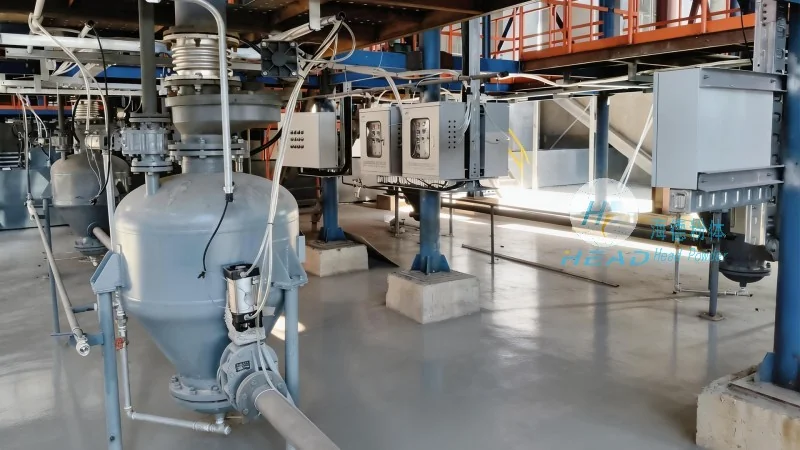
- Pneumatic Conveying Equipment: This is the core of the system, utilizing air or gas to create a flow of the gypsum powder. The system may employ positive or negative pressure systems, depending on the specific requirements of the application.
- Feeding Hoppers: These hoppers are designed to hold the gypsum powder and feed it into the conveying line at a controlled rate. They often include level sensors and feeding mechanisms to maintain consistent flow.
- Exhausters or Blowers: These devices generate the necessary air pressure or vacuum to move the powder through the pipeline. The choice between an exhauster (positive pressure) and a blower (negative pressure) depends on factors such as the distance to be covered and the material characteristics.
- Pipelines and Fittings: The conveying line is typically made of materials resistant to corrosion and abrasion, such as stainless steel or special alloys, to withstand the handling of the gypsum powder. Various fittings, including elbows, tees, and reducers, are used to direct the flow and change the direction of the pipeline.
- Separation and Collection Equipment: At the receiving end, the system includes equipment to separate the powder from the conveying air and collect it in a storage silo or container. This may involve cyclone separators, bag filters, or other dust collection systems.
Design Principles for Efficient Gypsum Powder Conveying
The design of a dry flue gas desulfurization gypsum powder conveying system is guided by several key principles aimed at maximizing efficiency, minimizing energy consumption, and ensuring operational reliability. These principles include:
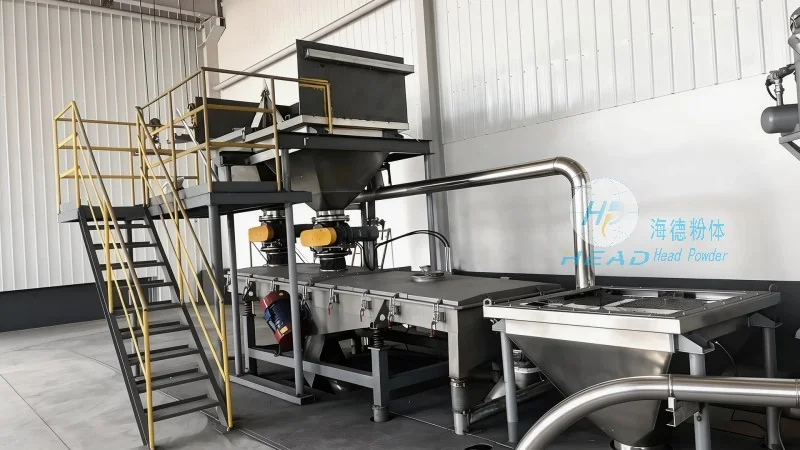
- Material Handling Considerations: The system must be designed to handle the specific properties of gypsum powder, such as its fineness, moisture content, and flowability. The conveying velocity and pressure must be optimized to prevent particle segregation, caking, or blockages in the pipeline.
- Energy Efficiency: Efficient design focuses on minimizing the energy required to move the powder. This involves selecting the appropriate conveying velocity, optimizing the pipeline diameter and length, and using high-efficiency blower or exhauster systems. Proper maintenance and regular cleaning of the system also contribute to energy savings.
- System Reliability and Durability: The equipment must be built to withstand the abrasive nature of the gypsum powder and the corrosive effects of any moisture or sulfur compounds present. Materials such as stainless steel, high-grade alloys, and specialized coatings are often used to extend the lifespan of the components.
- Environmental Compliance: The system must comply with local and international environmental regulations regarding dust emissions and air quality. This includes incorporating dust collection and filtration systems to minimize the release of fine particles into the atmosphere.
Application and Benefits of the Conveying System
The dry flue gas desulfurization gypsum powder conveying system is widely used in power plants, chemical plants, and other industrial facilities where FGD is employed. The primary benefits of this system include:
- Efficient Material Transport: It allows for the safe and efficient transport of large quantities of gypsum powder over long distances without the need for water or other liquids, reducing the risk of spills and contamination.
- Reduced Water Usage: Unlike wet conveying systems, dry systems do not require water for the transport process, which can lead to significant water savings and lower operating costs.
- Lower Maintenance Costs: The absence of water in the system reduces the risk of corrosion and scaling, leading to lower maintenance requirements and longer equipment lifespan.
- Environmental Benefits: By minimizing dust emissions and reducing the need for water, the system contributes to a cleaner and more sustainable operation, aligning with environmental regulations and corporate sustainability goals.
Conclusion
In conclusion, the dry flue gas desulfurization gypsum powder conveying system is a critical component in the management of FGD byproducts. Its design, which incorporates specialized equipment and adherence to key principles of material handling and energy efficiency, ensures reliable and environmentally responsible transport of gypsum powder. Companies such as Shandong HeadPowder Engineering Co., Ltd. (headpowder), with their expertise in engineering and manufacturing, provide these systems to help facilities optimize their desulfurization processes and meet environmental standards. The continued development and application of such systems play a vital role in the transition to cleaner energy and more sustainable industrial practices.