

What is Alumina Crystal Material Handling Equipment? What Are Its Design Principles?
Alumina crystal material handling equipment plays a crucial role in the industrial processing of aluminum oxide crystals. These specialized machines are designed to efficiently transport, store, and manage alumina crystals, which are widely used in various industries such as ceramics, refractories, and chemical manufacturing. The proper handling of alumina crystals is essential for maintaining product quality, ensuring safe operations, and optimizing production efficiency. In this article, we will explore the key aspects of alumina crystal material handling equipment, including its design principles and the factors that influence its performance.
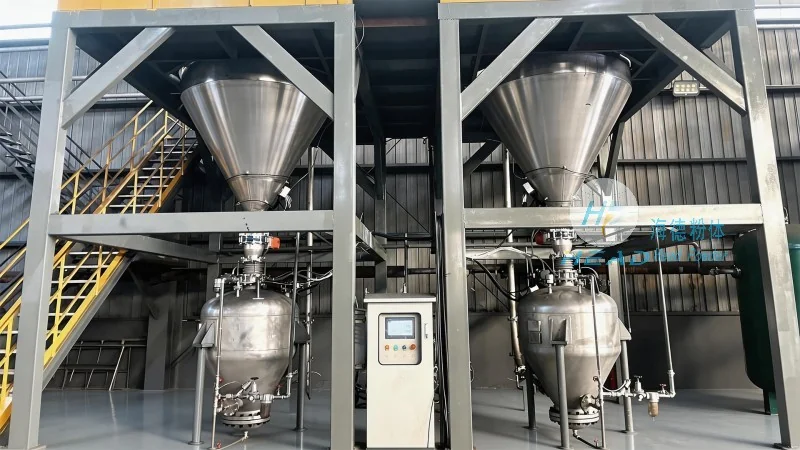
About HeadPowder: Your Trusted Partner in Material Handling Solutions
HeadPowder, a leading manufacturer of industrial material handling equipment, specializes in providing high-quality solutions for the transportation and processing of alumina crystals. With years of experience in the field, HeadPowder has developed a comprehensive range of equipment tailored to meet the specific needs of clients in the alumina industry. The company is headquartered in Shandong, China, and is committed to delivering reliable, efficient, and cost-effective equipment that enhances operational performance. HeadPowder's expertise lies in understanding the unique challenges of alumina crystal handling, such as their abrasive nature and the need for precise control during transport. By leveraging advanced engineering and manufacturing techniques, HeadPowder ensures that its equipment meets the highest standards of quality and durability.
Design Principles of Alumina Crystal Material Handling Equipment
The design of alumina crystal material handling equipment is guided by several critical principles that ensure optimal performance and safety. One of the primary considerations is the material's physical properties, including its hardness, abrasiveness, and particle size distribution. Alumina crystals are known for their high hardness and ability to cause wear on equipment components, which necessitates the use of robust materials and wear-resistant coatings in the construction of the equipment. For instance, the conveyor belts, buckets, and hoppers used in alumina handling systems are often made from high-strength steel or special alloys that can withstand the abrasive effects of the crystals.
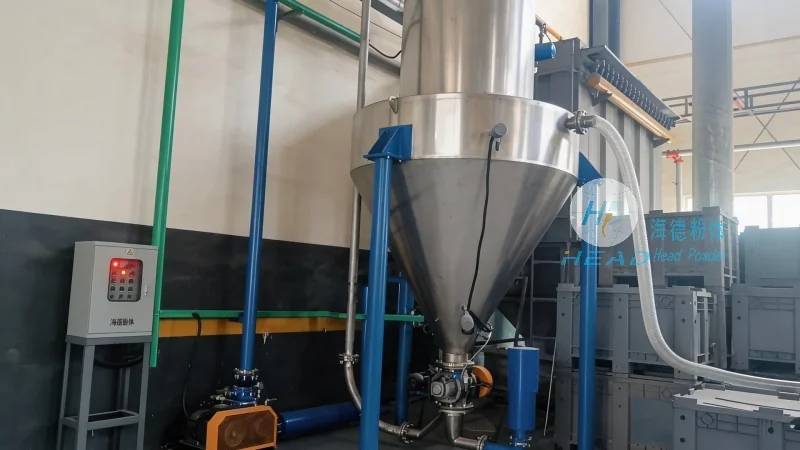
Another important design principle is the need for precise control over the flow and speed of the material. Alumina crystals are often handled in bulk, and the equipment must be capable of maintaining a consistent flow rate to prevent blockages or overloading. This is achieved through the use of variable speed drives, adjustable feed mechanisms, and sensors that monitor the material level and flow rate in real-time. The design also incorporates features to minimize dust generation and ensure environmental compliance, as alumina crystals can be fine and potentially hazardous if not handled properly. Dust collection systems and enclosed structures are commonly integrated into the equipment to maintain a clean and safe working environment.
Efficiency and energy conservation are also key design considerations. Modern alumina crystal material handling equipment is designed to minimize energy consumption while maximizing throughput. This includes the use of efficient motors, optimized conveyor systems, and intelligent control systems that adjust the equipment's operation based on the actual material load. The design also focuses on reducing maintenance requirements by using durable components and easy-to-access maintenance points. By adhering to these principles, the equipment not only improves operational efficiency but also reduces long-term operational costs for the end-user.
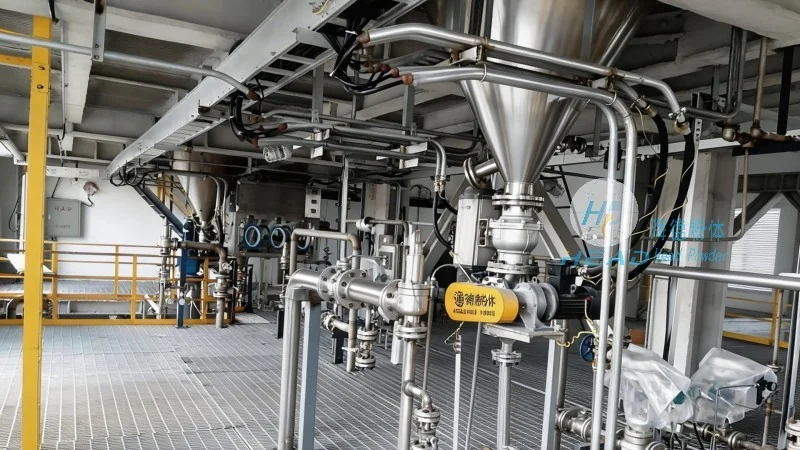
Key Features and Applications of Alumina Crystal Handling Equipment
Alumina crystal material handling equipment typically includes a range of components that work together to ensure smooth and reliable operation. These components may include conveyor systems (such as belt conveyors or screw conveyors), bucket elevators, hoppers, and storage silos. Each component is designed to handle the specific characteristics of alumina crystals, ensuring that the material is transported without damage or degradation. For example, belt conveyors are commonly used for horizontal or slight incline transport, while bucket elevators are ideal for vertical transport due to their ability to handle bulk materials with minimal spillage.
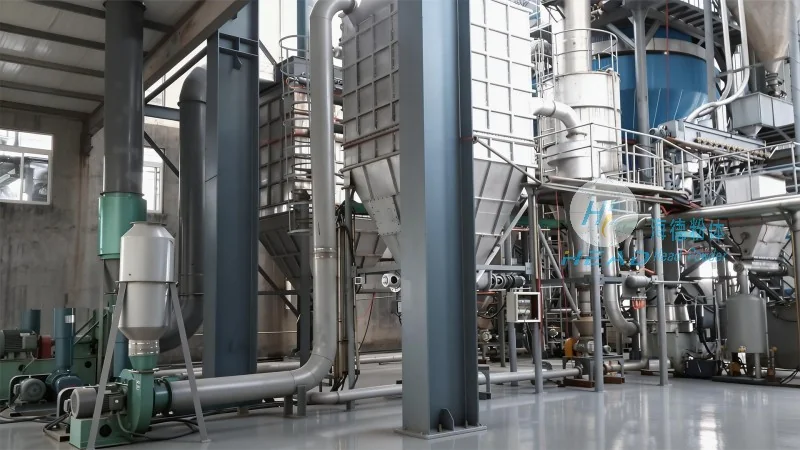
The equipment is widely used in various stages of alumina production and processing. In the mining and extraction phase, it is used to transport raw alumina ore to processing facilities. During the processing phase, it is used to move alumina crystals between different stages of refinement, such as grinding, classification, and drying. In the final production stage, the equipment is used to transport the finished alumina crystals to storage or packaging areas. The versatility of alumina crystal material handling equipment makes it an essential component in the entire alumina supply chain, from raw material extraction to final product delivery.
HeadPowder's alumina crystal handling equipment is designed to meet the diverse needs of clients in the alumina industry. The company offers customized solutions that can be tailored to specific production requirements, including different capacities, material types, and operational environments. Whether for small-scale operations or large industrial plants, HeadPowder's equipment is engineered to deliver consistent performance and reliability. The company's commitment to quality and customer satisfaction has made it a trusted partner for many clients worldwide, helping them to improve their operational efficiency and product quality.