

What is a Silica Sand Material Handling System? What are the Design Principles?
Understanding the role and design principles of silica sand material handling systems is crucial for industries dealing with this essential raw material. Silica sand, a primary component in various manufacturing processes, requires efficient and reliable transportation solutions to ensure smooth operations. This article explores the fundamental aspects of such systems, focusing on their design and functionality.
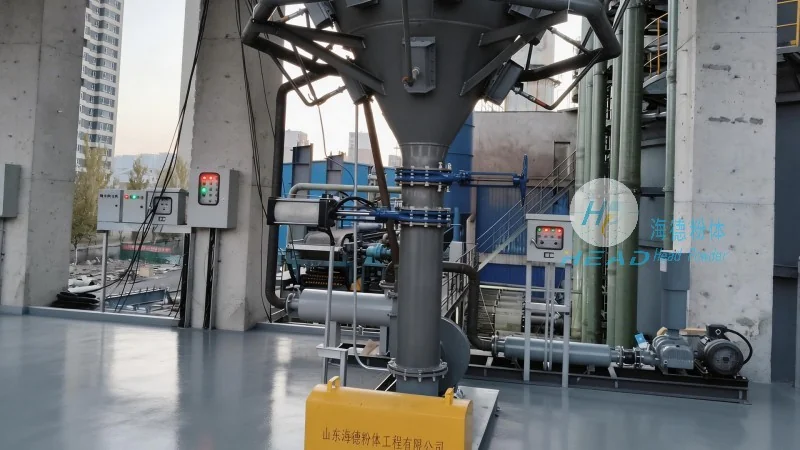
Key Components and Design Principles of Silica Sand Material Handling Systems
The design of a silica sand material handling system involves several critical components that work in tandem to achieve optimal performance. These systems are engineered to handle the unique characteristics of silica sand, including its particle size, density, and flow properties. The core design principles revolve around ensuring efficient material transfer, minimizing downtime, and maintaining product integrity throughout the process.
Key components typically include feeders, conveyors, storage silos, and control systems. Feeders are responsible for uniformly distributing the sand to the conveyor system, preventing blockages and ensuring consistent flow. Conveyors, such as belt conveyors or screw conveyors, transport the sand from one location to another with minimal energy consumption. Storage silos are used to store large quantities of silica sand, providing a buffer for production fluctuations and ensuring a steady supply. Control systems monitor and regulate the entire process, adjusting parameters like speed and flow rate based on real-time conditions.
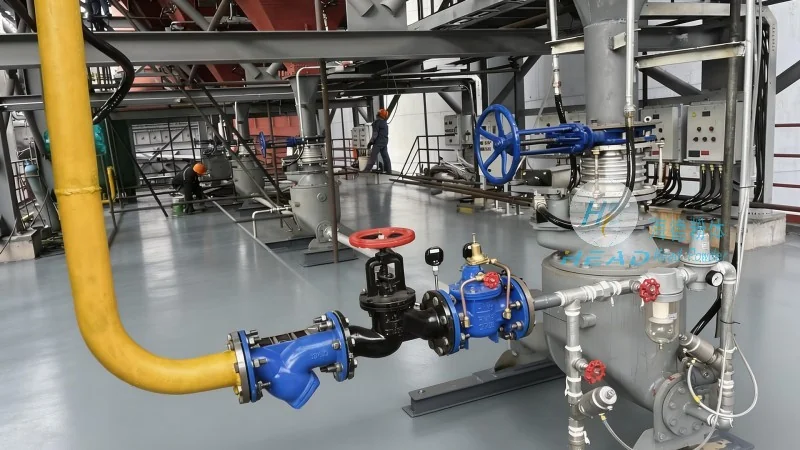
Engineering Solutions by Shandong HeadPowder Engineering Co., Ltd.
Shandong HeadPowder Engineering Co., Ltd., a leading provider of material handling solutions, specializes in designing and manufacturing systems tailored to the specific needs of silica sand applications. With years of experience in the industry, the company has developed innovative solutions that address the challenges associated with handling this abrasive and high-volume material. The engineering team at HeadPowder leverages advanced technology and rigorous testing to ensure that each system meets the highest standards of efficiency and reliability.
HeadPowder's approach to system design emphasizes customization and integration. They work closely with clients to understand their operational requirements, production volumes, and space constraints, then develop a tailored solution that maximizes productivity while minimizing operational costs. The company's commitment to quality is evident in their use of durable materials and robust construction, ensuring that the systems can withstand the harsh conditions of silica sand processing.
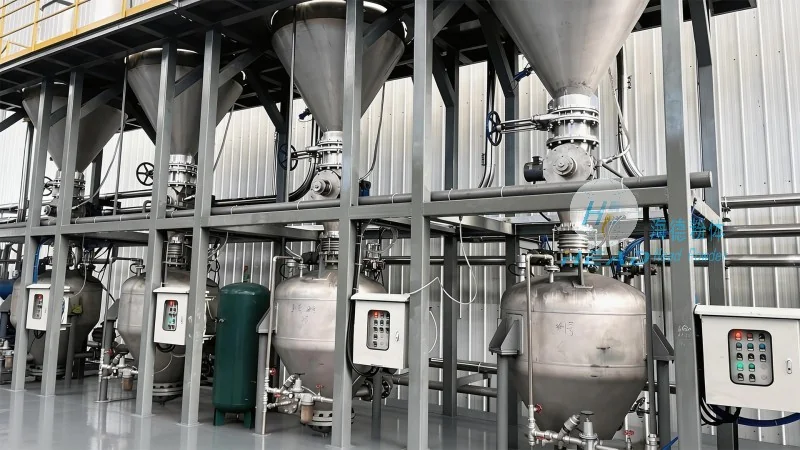
For example, HeadPowder has successfully implemented systems for clients in the glass, foundry, and construction industries, where silica sand is a critical raw material. These systems have demonstrated significant improvements in material handling efficiency, reduced maintenance requirements, and enhanced overall operational performance. The company's expertise in material handling engineering has earned them a reputation for delivering reliable and effective solutions that meet the demanding needs of modern manufacturing.
Conclusion and Contact Information
Efficient silica sand material handling systems are essential for optimizing production processes and ensuring the smooth operation of industries that rely on this vital raw material. The design principles and components discussed in this article highlight the importance of a well-engineered system that can handle the unique challenges of silica sand. Shandong HeadPowder Engineering Co., Ltd. stands as a trusted partner in providing such solutions, with a focus on innovation, quality, and customer satisfaction. For more information about their material handling systems, please contact them at their address in Shandong, China.