

What is a Tank Truck Powder Conveying System? What are its Design Principles?
For industries dealing with bulk powders, efficient and reliable transportation is crucial. A tank truck powder conveying system is a specialized solution designed to handle the movement of dry powders from storage to processing or distribution points. This system integrates various components to ensure safe, effective, and controlled powder transfer, addressing the unique challenges of handling fine or abrasive materials.
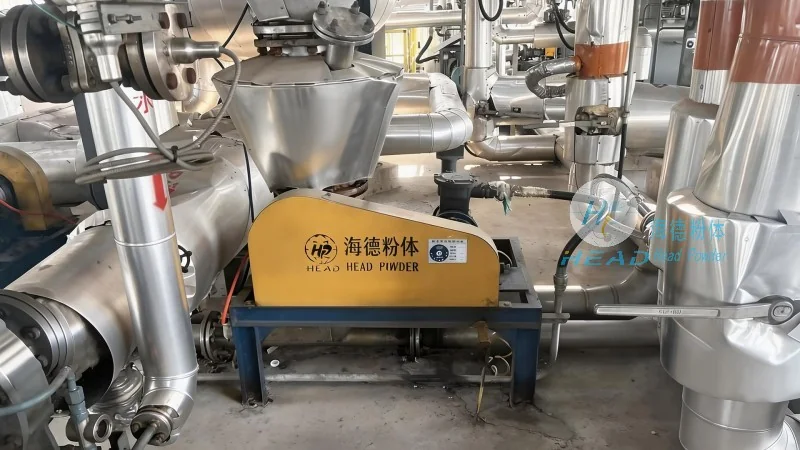
Key Components of a Tank Truck Powder Conveying System
The core of a tank truck powder conveying system consists of several interconnected parts, each playing a vital role in the overall operation. The main components typically include a tank truck (often equipped with a hopper or loading chute), a conveying mechanism (such as a screw conveyor, pneumatic system, or vacuum pump), and a control system. The tank truck itself is designed with a robust structure to withstand the pressures and stresses associated with powder handling. The conveying mechanism is tailored to the specific characteristics of the powder, such as particle size, moisture content, and flowability. The control system ensures precise operation, monitoring parameters like pressure, flow rate, and temperature to maintain optimal performance.
Design Principles for Efficient Powder Transfer
The design of a tank truck powder conveying system follows several key principles to ensure efficiency and safety. One of the primary principles is the minimization of powder degradation and segregation. This is achieved through gentle handling, proper aeration, and the use of smooth, non-abrasive surfaces. The system is also designed to prevent clogging and blockages, which can lead to system downtime and material loss. This involves the use of appropriate conveying speeds, appropriate hopper angles, and the incorporation of cleaning mechanisms. Additionally, the system must comply with safety regulations, including explosion-proof designs for flammable powders and proper ventilation to prevent dust accumulation.
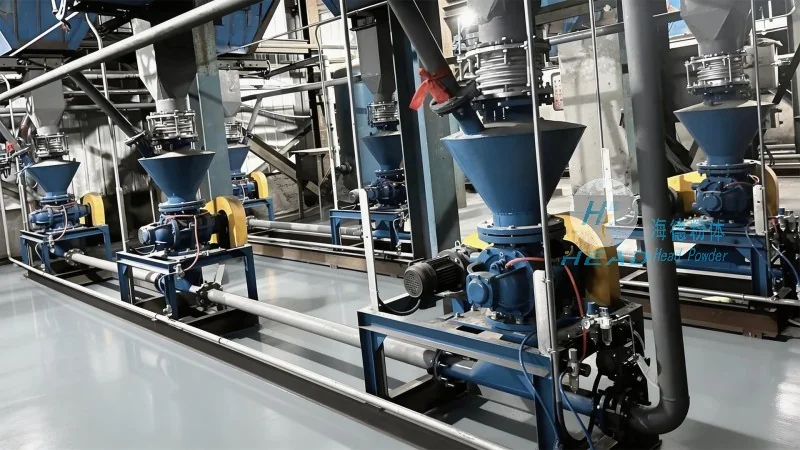
How Tank Truck Powder Conveying Systems Work
The operation of a tank truck powder conveying system involves a sequence of steps that ensure smooth and controlled transfer. The process typically begins with the loading of the powder into the tank truck at the source location. The powder is then transferred into the conveying system, which may involve a combination of mechanical and pneumatic methods. For example, a screw conveyor may be used to move the powder from the hopper into the tank truck, while a vacuum pump may be employed to draw the powder from the truck to the processing facility. The control system monitors the entire process, adjusting parameters as needed to maintain consistent flow rates and prevent overloading or underloading. The system is designed to be user-friendly, with clear indicators and controls that allow operators to manage the process effectively.
Applications and Industries Using Tank Truck Powder Conveying Systems
Tank truck powder conveying systems are widely used across various industries that require bulk powder handling. These include the chemical industry, where powders like fertilizers, pigments, and pharmaceuticals are transported. The food industry also relies on such systems for the handling of dry ingredients like flour, sugar, and spices. The agricultural sector uses them for transporting agricultural chemicals and fertilizers. Additionally, the construction industry utilizes these systems for the delivery of cement and other building materials. Each industry benefits from the efficiency and reliability of the system, which reduces labor costs and minimizes material loss during transportation.
Advantages of Using a Tank Truck Powder Conveying System
Implementing a tank truck powder conveying system offers several advantages over traditional methods of powder transport. One of the main advantages is the reduction in labor costs, as the system automates the transfer process, minimizing the need for manual handling. This also reduces the risk of workplace injuries associated with manual lifting and moving of heavy loads. Another advantage is the improvement in material handling efficiency, as the system can handle large volumes of powder quickly and consistently. This leads to increased productivity and reduced downtime. The system also helps in maintaining the quality of the powder, as it minimizes exposure to moisture and contamination. Furthermore, the system is designed for easy maintenance and cleaning, which reduces the overall operational costs.
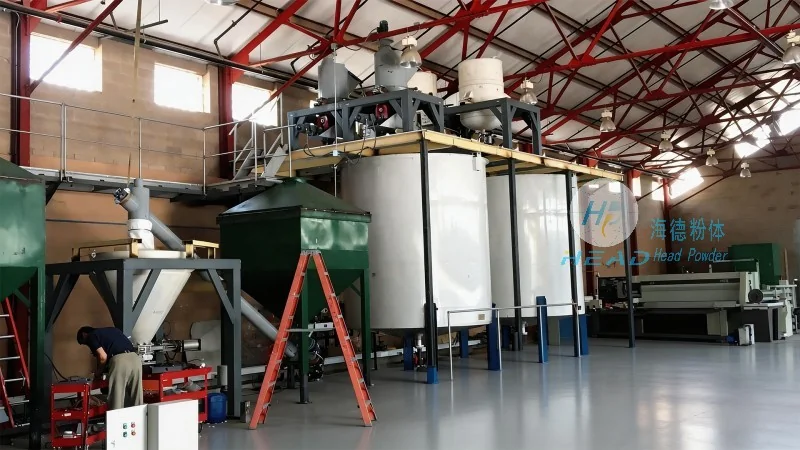
Customization and Integration with Existing Systems
HeadPowder, a leading provider of engineering solutions, offers customized tank truck powder conveying systems tailored to the specific needs of each client. The company, based in Shandong, China, understands that each industry has unique requirements, and thus provides flexible solutions that can be integrated with existing infrastructure. The systems are designed to be compatible with various tank truck sizes and types, ensuring seamless operation. HeadPowder’s team of experts works closely with clients to assess their needs, recommend the most suitable system, and provide installation and maintenance services. The company’s commitment to quality and customer satisfaction has made it a trusted partner in the industry.
Conclusion: The Importance of Tank Truck Powder Conveying Systems
In conclusion, a tank truck powder conveying system is a critical component in the efficient handling of bulk powders. The design principles and components work together to ensure safe, reliable, and efficient transfer of materials. The system offers numerous advantages, including reduced labor costs, improved efficiency, and enhanced material quality. For industries that rely on bulk powder handling, investing in a well-designed and properly maintained system is essential for maintaining competitiveness and productivity. HeadPowder, with its expertise and commitment to quality, is a reliable partner for businesses seeking to optimize their powder handling processes.