

What is a Mobile Powder Handling System? And What Are Its Design Principles?
For industrial operations dealing with bulk powders, efficient and reliable material handling is crucial. A mobile powder handling system represents a sophisticated solution designed to transport, store, and manage dry bulk materials with precision and flexibility. This article explores the fundamental aspects of such systems, focusing on their design principles and the technology behind them, presented by Shandong HeadPowder Engineering Co., Ltd., a leading provider of industrial material handling solutions based in China.
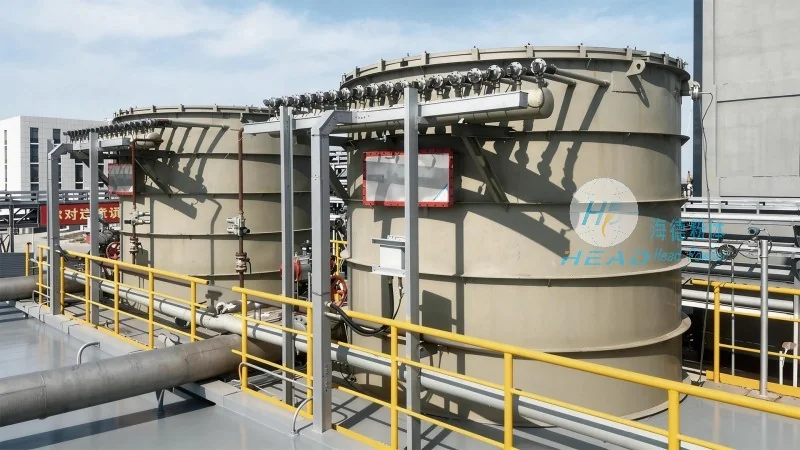
Understanding Mobile Powder Handling Systems
A mobile powder handling system is a specialized piece of equipment engineered to handle dry bulk materials like powders, granules, and pellets. Unlike fixed systems that are stationary, these systems are designed for mobility, allowing them to be repositioned as needed to accommodate changing production requirements or operational needs. The core components typically include a hopper for material storage, a conveyor mechanism for transport, and a control system for operation. These systems are widely used in industries such as pharmaceuticals, food processing, chemicals, and mining, where the handling of fine or sensitive powders demands high standards of cleanliness and efficiency.
Key Design Principles of Mobile Powder Handling Systems
The design of a mobile powder handling system is guided by several critical principles aimed at ensuring optimal performance, safety, and adaptability. One of the primary principles is the need for airtight and dust-free operation. Since powders are often sensitive to moisture and contamination, the system must be constructed with materials that prevent particle leakage and maintain a controlled environment. This is typically achieved through the use of sealed hoppers, flexible hoses, and positive pressure ventilation systems that keep the material contained and prevent airborne dust from escaping into the workspace.
Another essential design principle is the integration of a robust conveyor system. The conveyor must be capable of handling the specific characteristics of the powder, such as its flowability, density, and particle size. For example, some systems may use screw conveyors for materials with low flowability, while others might employ pneumatic conveying for fine powders that are difficult to transport mechanically. The design also considers the need for easy maintenance and cleaning, as these systems often handle materials that can adhere to surfaces, requiring regular sanitation to prevent cross-contamination.
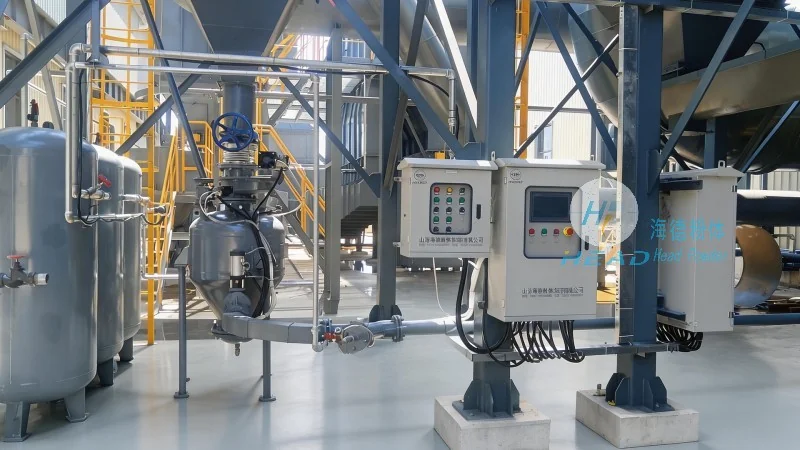
Efficiency and energy conservation are also key design considerations. Mobile systems are often designed to minimize energy consumption while maximizing throughput. This involves optimizing the conveyor speed, using efficient motor drives, and implementing energy-saving features like variable frequency drives (VFDs) that adjust power based on the load. Additionally, the system's mobility allows for better space utilization, as it can be moved to different locations within a facility, reducing the need for multiple fixed installations and saving on infrastructure costs.
Components and Functionality of Mobile Powder Handling Systems
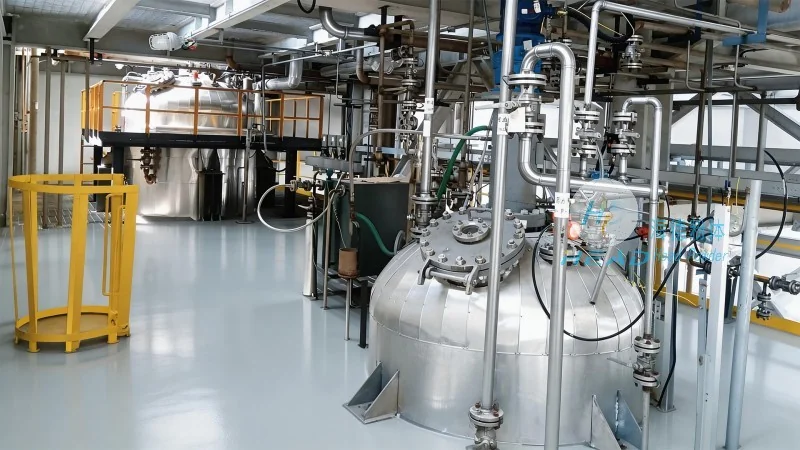
The functionality of a mobile powder handling system is achieved through a combination of key components working in harmony. The primary storage unit is the hopper, which is typically made of stainless steel or other corrosion-resistant materials to ensure durability and hygiene. The hopper is designed with a sloped bottom to facilitate material flow, often equipped with a discharge valve that controls the release of powder into the conveyor system. The conveyor mechanism, which can be mechanical or pneumatic, transports the material from the hopper to the processing or packaging area. In mechanical systems, a screw or belt conveyor moves the powder, while pneumatic systems use compressed air to create a pressure differential that draws the material through a pipeline.
The control system is another critical component, responsible for managing the operation of the entire system. It typically includes sensors to monitor the level of material in the hopper, pressure in the conveyor lines, and temperature, ensuring that the system operates within safe and efficient parameters. The control panel allows operators to start, stop, and adjust the system's speed and direction, providing real-time feedback and alerts for any issues that may arise. This level of automation enhances safety and reduces the risk of human error, making the system suitable for environments where precision and reliability are paramount.
Applications and Benefits of Mobile Powder Handling Systems
Mobile powder handling systems find applications in a wide range of industries, each benefiting from the system's flexibility and efficiency. In the pharmaceutical industry, for example, these systems are used to handle active pharmaceutical ingredients (APIs) and excipients, where contamination control and precise dosing are critical. The mobile design allows for easy reconfiguration of production lines, enabling quick changes in product types without the need for extensive modifications. In the food processing sector, the systems are employed to handle ingredients like flour, sugar, and spices, ensuring that the materials are handled hygienically and in compliance with food safety regulations.
In the chemical industry, mobile powder handling systems are used to transport raw materials and finished products, often in hazardous environments where dust control is essential. The ability to move the system to different locations within a plant allows for better management of material flow and reduces the risk of accidents. Similarly, in the mining industry, these systems are used to transport ore and other bulk materials from processing plants to storage or shipping areas, improving operational efficiency and reducing labor costs.