

What is a Vanadium Oxide Pneumatic Conveying System Equipment? What Are Its Design Principles?
Vanadium oxide is a critical industrial material utilized across diverse sectors, including catalysis, pigments, and energy storage technologies. The efficient and safe transportation of vanadium oxide powder is paramount for maintaining optimal industrial processes. This article delves into the vanadium oxide pneumatic conveying system equipment and its design principles, elucidating the core components and operational mechanisms that ensure reliable material handling for this specialized application.
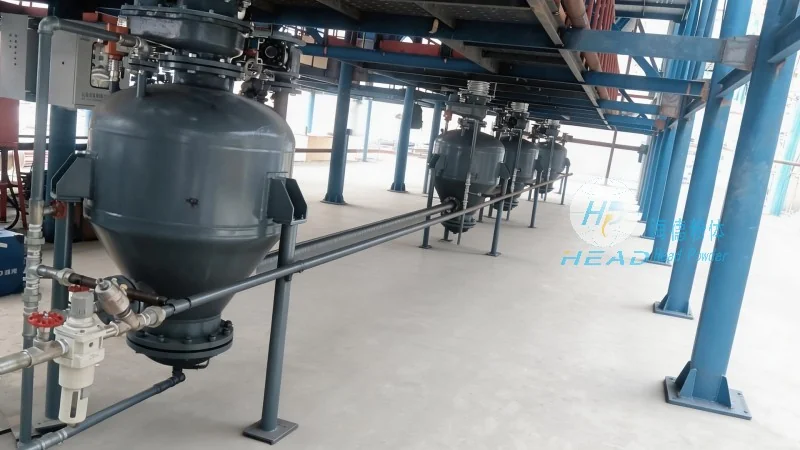
Understanding the Vanadium Oxide Pneumatic Conveying System
The vanadium oxide pneumatic conveying system is a specialized piece of equipment engineered to transport vanadium oxide powder through a sealed pipeline using air or other gas as the conveying medium. This method offers significant advantages over traditional mechanical conveying systems, such as reduced risk of dust explosion, lower maintenance costs, and the ability to handle fine powders with high efficiency. The system typically comprises a hopper, a feeder, a conveying line, a receiver, and a control system. Each component is meticulously designed to ensure seamless operation and reliable material transport.
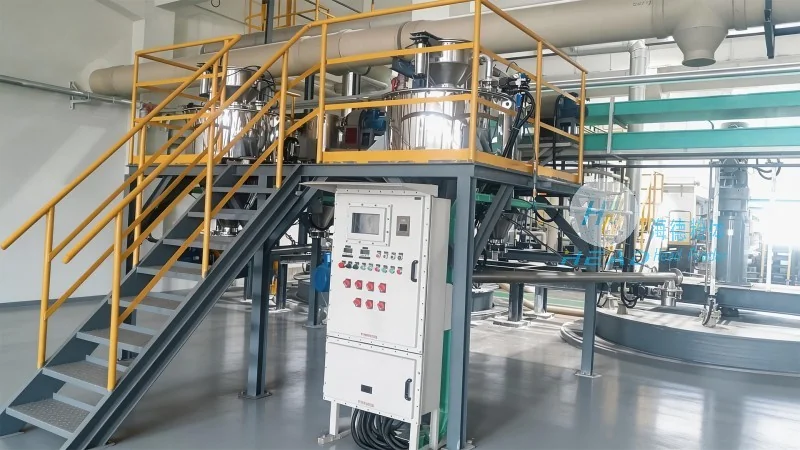
Key Components of the Vanadium Oxide Pneumatic Conveying System
The hopper serves as the primary storage container for vanadium oxide powder, designed to maintain a consistent material level and prevent issues like material bridging or caking, which could disrupt the conveying process. The feeder, often a rotary valve or screw feeder, regulates the flow of powder from the hopper into the conveying line. This component is crucial for controlling the feed rate, ensuring a steady and consistent material flow that maintains system efficiency and prevents pressure fluctuations. The conveying line is a robust pipeline, typically constructed from corrosion-resistant materials like stainless steel or specialized alloys, to withstand the abrasive and corrosive nature of vanadium oxide handling. The receiver is the final container where the conveyed powder is deposited, equipped with a dust collection system to capture any fine particles that may escape, ensuring environmental compliance and product purity. The control system monitors and adjusts the operation of the feeder, pressure, and flow rates, providing real-time feedback to maintain optimal performance and prevent system failures.
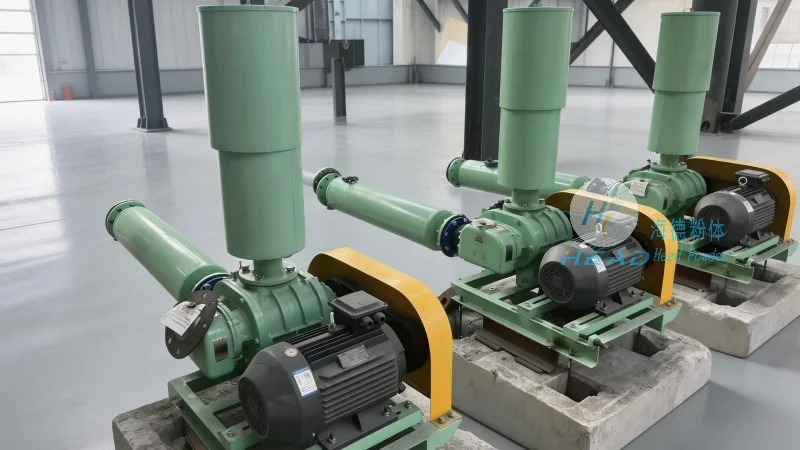
Design Principles of the Vanadium Oxide Pneumatic Conveying System
The design of a vanadium oxide pneumatic conveying system is guided by several fundamental principles to ensure safe and efficient operation. The first principle is the selection of an appropriate conveying velocity. The air or gas velocity must be sufficient to lift and transport the powder particles without causing excessive wear on the pipeline or equipment. This velocity is determined by the particle size, density, and flow characteristics of the vanadium oxide powder, ensuring that the particles remain suspended and transported effectively. The second principle is the maintenance of a consistent pressure gradient along the conveying line. The system must maintain a sufficient pressure difference between the hopper and the receiver to ensure continuous material flow. This is achieved through the use of pressure regulators and blowers that provide the necessary air pressure, with precise control to avoid over-pressurization or under-pressurization. The third principle is the prevention of material degradation and contamination. The system is engineered to minimize exposure of the vanadium oxide powder to air and moisture, which could compromise its quality and performance. This is achieved through sealed components and proper ventilation systems, ensuring that the material remains in its original state throughout the conveying process. The fourth principle is the incorporation of comprehensive safety measures. The system includes features such as explosion-proof designs, dust suppression systems, and emergency shutdown mechanisms to protect operators and the environment from potential hazards, adhering to stringent safety regulations.