

What is a PTFE Pneumatic Conveying System? And Its Design Principles?
PTFE (Polytetrafluoroethylene) pneumatic conveying systems are advanced industrial equipment designed for the efficient and safe transport of various powders and bulk materials. These systems utilize air or gas as the conveying medium to move materials from one location to another, eliminating the need for mechanical components like belts or chains. The use of PTFE materials in such systems offers exceptional chemical resistance, low friction, and high temperature tolerance, making them ideal for handling a wide range of challenging materials, including corrosive powders, fine particles, and high-value products.
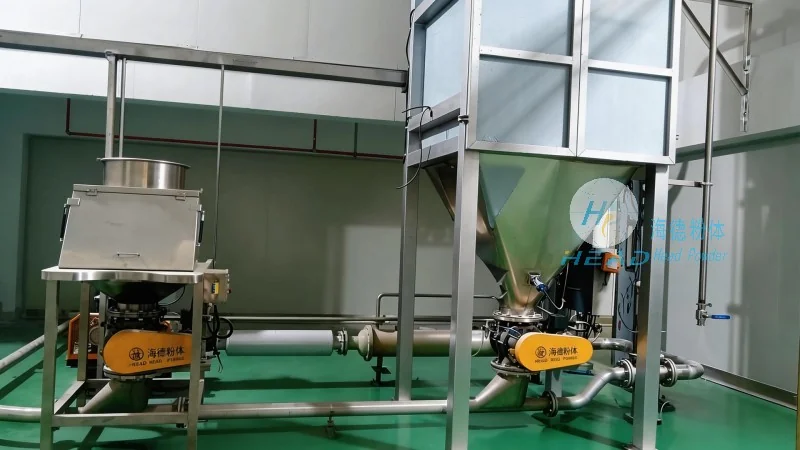
HeadPowder: A Leading Manufacturer in PTFE Pneumatic Conveying Technology
HeadPowder, a prominent enterprise based in Shandong, China, specializes in the research, development, and manufacturing of high-quality PTFE pneumatic conveying systems. With a strong commitment to innovation and precision engineering, HeadPowder has established itself as a trusted name in the industry, providing reliable solutions for diverse industrial applications. The company’s headquarters and main production facilities are located in Shandong, China, where it leverages advanced manufacturing processes and rigorous quality control measures to ensure the excellence of its products.
The Core Design Principles of PTFE Pneumatic Conveying Systems
The design of PTFE pneumatic conveying systems is based on fundamental principles of fluid dynamics and material handling. The primary mechanism involves creating a pressure differential between the inlet and outlet of the system, which propels the material through the pipeline using compressed air or gas. The system typically consists of several key components, including a hopper for material storage, a feeder to control the flow rate, a pipeline network for material transport, and a receiver for material discharge. PTFE is chosen for critical parts such as the hopper lining, pipeline interior, and valve components due to its non-stick, low-friction, and chemically inert properties. This ensures that the material remains free-flowing and prevents product degradation or contamination during transport.
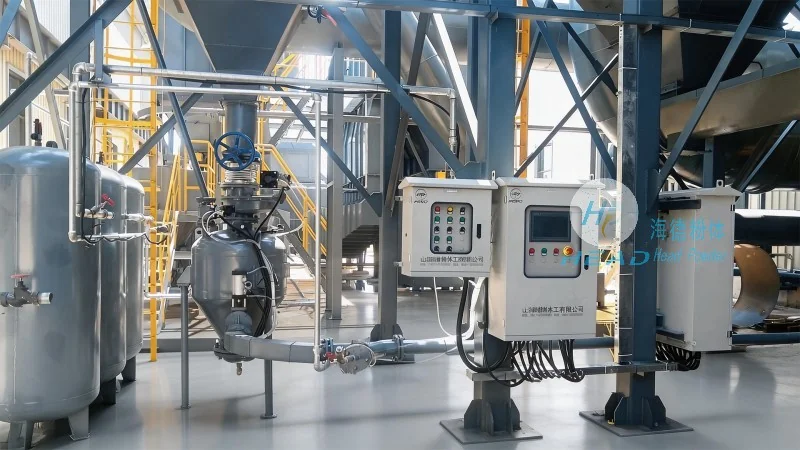
Key Advantages of PTFE Pneumatic Conveying Systems
PTFE pneumatic conveying systems offer numerous advantages over traditional mechanical conveying methods. One of the most significant benefits is their ability to handle highly abrasive or corrosive materials without causing wear or damage to the system components. The non-stick nature of PTFE reduces material buildup and clogging, which is a common issue in other types of conveyors. Additionally, these systems provide excellent sealing and leak prevention, minimizing the risk of product loss or environmental contamination. The compact design of PTFE pneumatic conveyors also allows for easy integration into existing production lines, saving space and reducing installation costs. Furthermore, the use of compressed air as the conveying medium makes the system energy-efficient and environmentally friendly, as it eliminates the need for heavy machinery and reduces noise pollution.
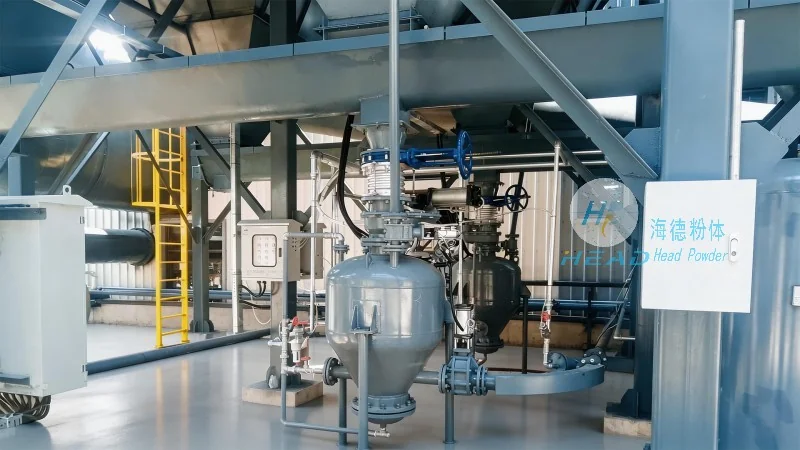
Applications and Material Compatibility
PTFE pneumatic conveying systems are widely used in various industries, including pharmaceuticals, food processing, chemical manufacturing, and mining. They are particularly suitable for transporting fine powders, granules, and bulk materials that are sensitive to moisture, temperature, or contamination. For example, in the pharmaceutical industry, PTFE systems are used to convey active pharmaceutical ingredients (APIs) and excipients with high purity requirements, ensuring that the materials remain sterile and free from cross-contamination. In the food industry, PTFE conveyors are employed to handle food-grade powders and ingredients, maintaining compliance with stringent hygiene standards. The versatility of PTFE materials allows these systems to handle a broad spectrum of materials, from low-density powders like flour to high-density granules like minerals.
Conclusion: The Role of PTFE Pneumatic Conveying Systems in Modern Manufacturing
PTFE pneumatic conveying systems represent a sophisticated solution for efficient and reliable material transport in industrial settings. By leveraging the unique properties of PTFE and advanced fluid dynamics principles, these systems provide a cost-effective and environmentally friendly alternative to traditional conveying methods. HeadPowder, with its expertise and commitment to quality, continues to lead the way in developing innovative PTFE pneumatic conveying solutions that meet the evolving needs of modern manufacturing. As industries strive for higher efficiency, safety, and sustainability, PTFE pneumatic conveying systems remain a critical component in optimizing material handling processes and ensuring product integrity throughout the supply chain.