

What is Dry Sludge Pneumatic Conveying? And What Are Its Design Principles?
Dry sludge pneumatic conveying represents a sophisticated approach to handling dry, non-Newtonian materials, particularly in the context of wastewater treatment and solid waste management. Unlike traditional methods that rely on gravity or mechanical conveyors, this technology utilizes compressed air or other gas streams to transport dry sludge particles through a pipeline. The process is characterized by its efficiency, flexibility, and ability to handle materials that are difficult to transport via conventional means. Understanding the fundamentals of this system is essential for industries seeking to optimize their waste management processes and reduce operational costs.
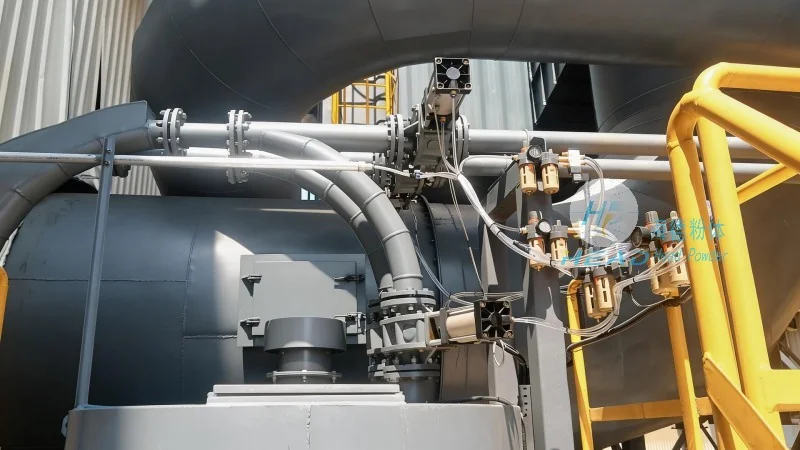
Key Components of the Dry Sludge Pneumatic Conveying System
The dry sludge pneumatic conveying system comprises several critical components that work in concert to ensure reliable and efficient operation. The sludge feeding system, typically a hopper or feeder, is responsible for introducing the dry sludge into the pipeline at a controlled rate. This component must be designed to handle the specific characteristics of the sludge, such as particle size distribution and bulk density, to prevent blockages or uneven flow. The conveying pipeline, often constructed from stainless steel or high-density polyethylene (HDPE) to resist corrosion and wear, forms the main pathway for the sludge and gas mixture. The diameter of the pipeline is a critical design parameter, as it directly impacts the pressure drop and conveying capacity. The air or gas source, such as a centrifugal blower or positive displacement compressor, provides the necessary pressure and flow rate to move the sludge through the system. The control system, which may include sensors and valves, regulates the air pressure and flow rate to maintain optimal performance and prevent overloading or under-conveying. Each component must be carefully selected and sized to match the specific requirements of the application, ensuring that the system operates within its design limits.
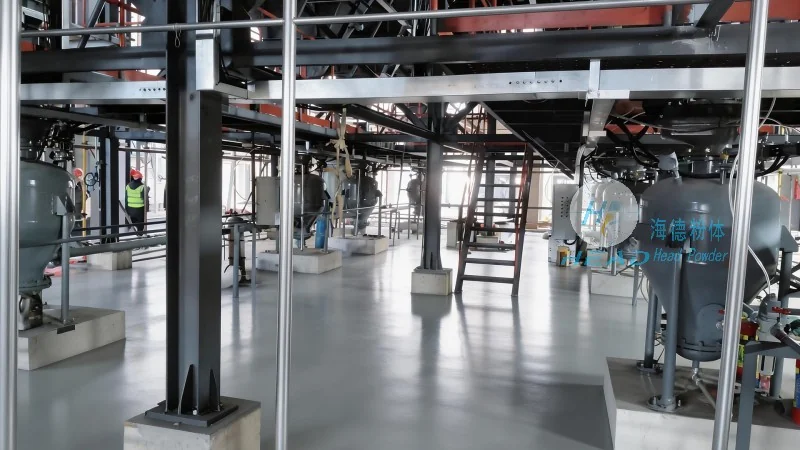
Design Principles and Technical Considerations
The design of a dry sludge pneumatic conveying system is guided by fundamental principles of fluid dynamics and particle mechanics. The core principle is the creation of a fluidized bed of sludge particles, where the gas velocity is sufficient to suspend the particles and transport them through the pipeline. Engineers must calculate the required air velocity and pressure to overcome the gravitational forces acting on the particles and the resistance of the pipeline. This involves considering factors such as the particle size, density, and moisture content of the sludge, as well as the pipeline length and diameter. The design also takes into account the pressure losses due to bends, fittings, and other obstructions in the pipeline, which can significantly impact the overall conveying efficiency. To minimize these losses, engineers may use larger diameter pipelines, smooth bends, and optimized air distribution systems. Additionally, the system must be designed to handle variations in sludge characteristics, such as changes in moisture content or particle size, without compromising performance. This may involve incorporating adjustable controls or redundant components to ensure reliability under changing conditions.
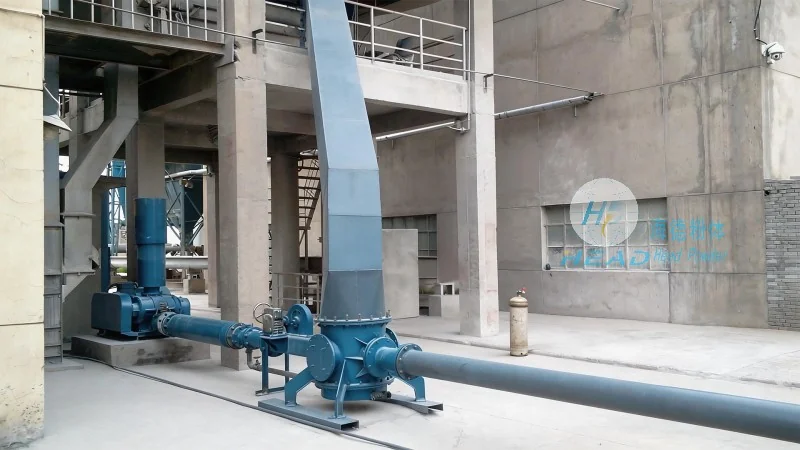
Application Scenarios and Benefits
Dry sludge pneumatic conveying is widely applied in various industrial settings, particularly in the wastewater treatment sector. It is commonly used to transport dry sludge from dewatering units to storage or disposal facilities, as well as for transferring sludge to other processing units, such as incinerators or composting plants. The system is also suitable for handling dry sludge in municipal wastewater treatment plants, industrial wastewater treatment facilities, and even in some agricultural applications where sludge is used as a fertilizer. The benefits of this technology are significant, including reduced operational costs due to lower labor and equipment wear, improved safety by minimizing direct handling of sludge, and enhanced environmental protection by preventing dust and odor emissions. Additionally, the dry sludge can be processed further for energy recovery or reuse, making this technology a sustainable solution for waste management. Compared to traditional methods, dry sludge pneumatic conveying offers higher throughput, lower maintenance requirements, and greater flexibility in terms of system layout and integration with existing infrastructure.
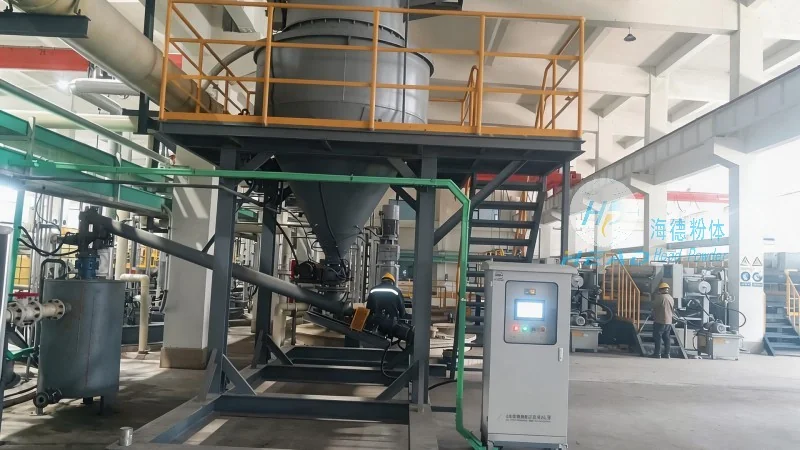
Company Overview: Shandong HeadPowder Engineering Co., Ltd.
Shandong HeadPowder Engineering Co., Ltd. is a reputable engineering firm specializing in the design, manufacturing, and installation of dry sludge pneumatic conveying systems. With a strong commitment to innovation and customer satisfaction, the company has established itself as a leader in the field of material handling and waste management solutions. HeadPowder's team of experienced engineers and technicians leverages advanced technology and rigorous testing to develop customized systems that meet the unique needs of each client. The company's headquarters is located in Shandong, China, where it serves clients globally with a focus on delivering high-quality, reliable equipment. HeadPowder's products are designed to adhere to international standards and are backed by comprehensive technical support and after-sales service. By combining expertise in fluid dynamics, material science, and engineering, HeadPowder ensures that its dry sludge pneumatic conveying systems are efficient, durable, and environmentally friendly, helping clients achieve their waste management goals while minimizing environmental impact.