HeadPowder, a leading engineering firm based in Shandong, China, specializes in the design and implementation of advanced pneumatic conveying systems for cement raw material handling. This article delves into the fundamental principles behind such systems, highlighting their operational mechanics, key components, and the technological advancements that enhance efficiency in cement production.
Core Components of Pneumatic Conveying Systems
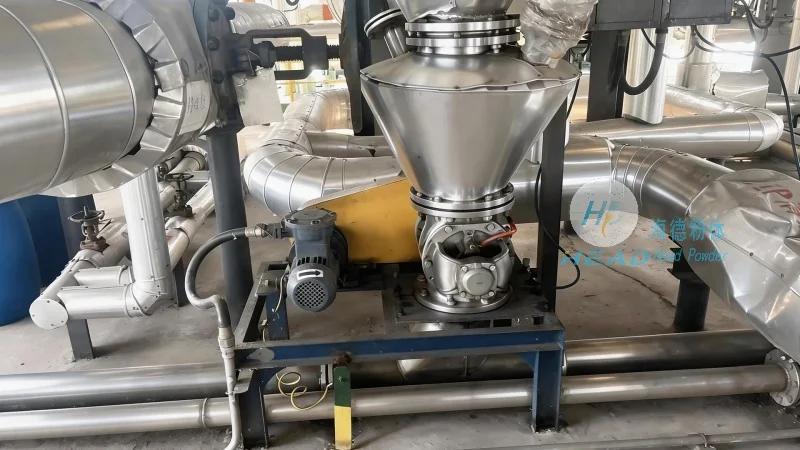
The pneumatic conveying system for cement raw materials typically consists of several critical components that work in tandem to achieve effective material transport. The primary elements include a feeding hopper, a conveying pipeline, a pressure vessel or receiver, and a control system. The feeding hopper is responsible for storing and feeding the raw materials into the system, ensuring a consistent flow. The conveying pipeline, often made of stainless steel or other corrosion-resistant materials, is designed to withstand the abrasive nature of cement raw materials. The pressure vessel or receiver collects the conveyed material and may include features like a dust collection system to maintain air quality and prevent contamination. The control system monitors and regulates the pressure, flow rate, and other operational parameters to ensure smooth and safe operation.
Working Principle of Pneumatic Conveying
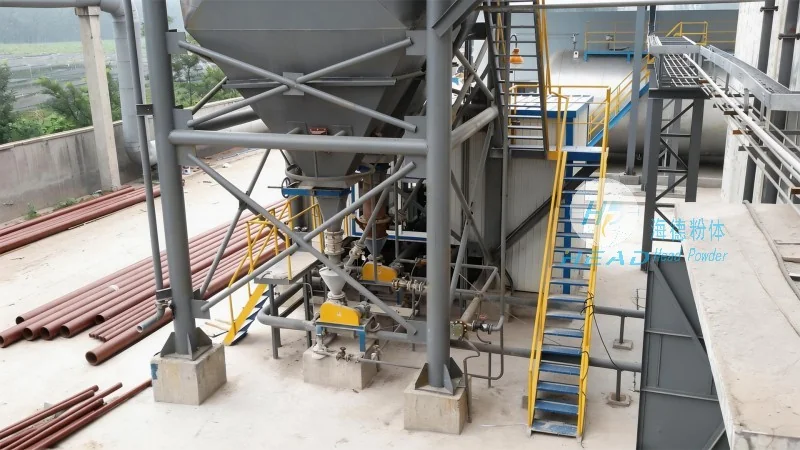
The operation of a cement raw material pneumatic conveying system is based on the principle of using air to transport solid particles. In a typical system, raw materials are fed into the hopper, where they are drawn into the conveying pipeline by a fan or blower that generates a negative pressure (suction system) or positive pressure (blow system). The air and material mixture travels through the pipeline to the receiver, where the material is separated from the air. The separated air is then either recirculated or vented, while the material is discharged from the receiver for further processing. The choice between suction and blow systems depends on factors such as the distance to be covered, the material characteristics, and the required flow rate. Suction systems are generally used for shorter distances and lighter materials, while blow systems are more suitable for longer distances and bulkier materials.
Advantages of Pneumatic Conveying in Cement Production
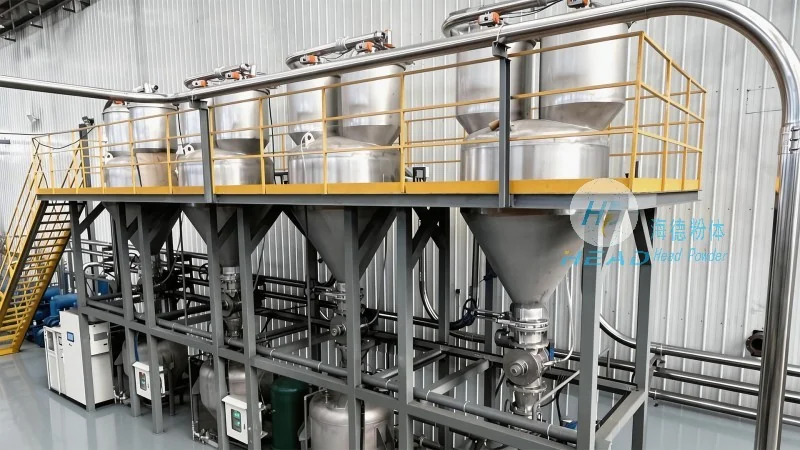
Implementing pneumatic conveying systems in cement raw material handling offers numerous advantages over traditional methods like belt conveyors or bucket elevators. One of the key benefits is the ability to transport materials in a closed system, which minimizes dust emissions and improves environmental compliance. This is particularly important in cement plants where dust control is a regulatory requirement. Additionally, pneumatic conveying systems are more flexible in terms of layout, as they can be installed in various configurations to suit the plant's layout and space constraints. The closed system also reduces the risk of material contamination from external sources, ensuring the quality of the raw materials used in cement production. Another advantage is the higher conveying capacity and efficiency, as the system can handle large volumes of material with minimal energy consumption compared to other methods. The continuous operation of pneumatic conveying systems also contributes to improved production throughput and reduced downtime.
Technological Innovations Enhancing System Performance
HeadPowder continuously invests in research and development to enhance the performance of pneumatic conveying systems. Recent technological advancements include the use of high-efficiency fans and blowers that optimize air flow and reduce energy consumption. The integration of advanced control systems, such as programmable logic controllers (PLCs) and sensors, allows for real-time monitoring and adjustment of operational parameters, ensuring optimal performance and preventing system failures. The development of specialized materials and coatings for pipelines and components has improved the durability and longevity of the system, reducing maintenance costs and extending the service life. Furthermore, the implementation of automated feeding and discharge mechanisms has increased the system's reliability and reduced the need for manual intervention, leading to higher operational efficiency and safety.
Customization and Application in Cement Plants
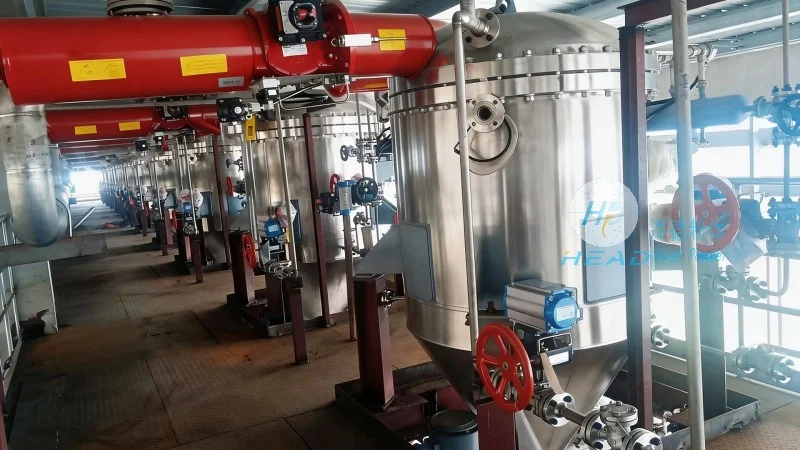
HeadPowder understands that each cement plant has unique requirements and constraints. Therefore, the company offers customized pneumatic conveying solutions tailored to the specific needs of each client. The design process involves a thorough analysis of the plant's layout, material characteristics, and operational goals to ensure the system is optimized for maximum efficiency and cost-effectiveness. The company's engineers work closely with clients to develop solutions that meet their production capacity, material handling needs, and environmental standards. Whether it's a new plant construction or an upgrade to an existing facility, HeadPowder provides comprehensive engineering services, including system design, equipment supply, installation, and commissioning. The company's commitment to quality and customer satisfaction has made it a trusted partner in the cement industry, helping plants achieve higher productivity and lower operational costs.




