The caustic soda pneumatic conveying system is a specialized industrial solution designed to efficiently transport caustic soda, a key chemical widely used in various industries such as chemical manufacturing, paper production, and water treatment. This system leverages pneumatic technology to move caustic soda from storage to processing units, ensuring safe and reliable operation while maintaining product integrity. As a critical component in chemical processing facilities, the system's design and functionality directly impact operational efficiency and safety standards.
Key Components of the Pneumatic Conveying System
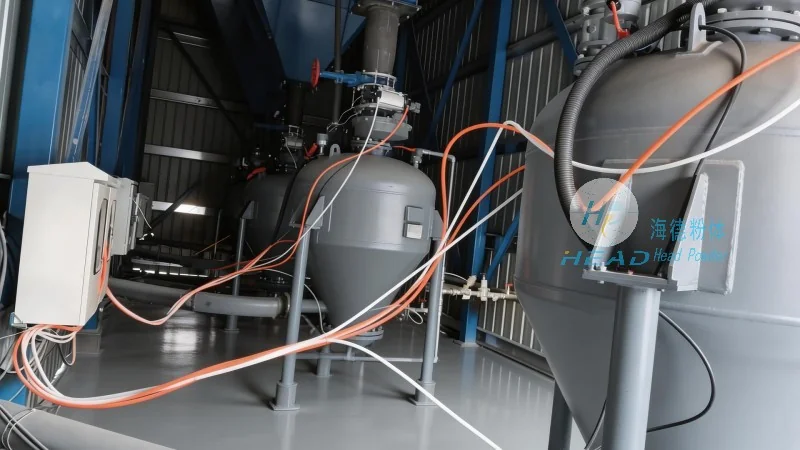
The caustic soda pneumatic conveying system consists of several core components that work in tandem to facilitate material transport. These include the hopper or storage tank, which holds the caustic soda; the air compressor or blower that generates the necessary air pressure; the conveying line, typically made of corrosion-resistant materials like stainless steel to withstand the caustic soda's chemical properties; and the control system that regulates the flow and pressure. Each component is engineered to handle the specific challenges posed by caustic soda, including its reactivity and potential for corrosion. The system may also incorporate features like dust collection and filtration to ensure environmental compliance and operational safety.
Working Principle of the Pneumatic Conveying Process
The operation of the caustic soda pneumatic conveying system follows a straightforward yet effective process. First, the caustic soda is drawn from the storage hopper into the conveying line using the air pressure generated by the compressor. The air, often mixed with the material in a specific ratio, creates a slurry or suspension that moves through the pipeline. The system may use either positive pressure (where air pushes the material) or negative pressure (where air pulls the material), depending on the application and layout. As the material travels through the conveying line, it is transported to the processing unit, such as a reactor or mixer. The control system continuously monitors the pressure and flow rates to maintain optimal performance and prevent blockages or over-pressurization. This principle ensures that caustic soda is moved efficiently and safely, minimizing downtime and maximizing productivity.
Advantages of Using a Pneumatic Conveying System for Caustic Soda
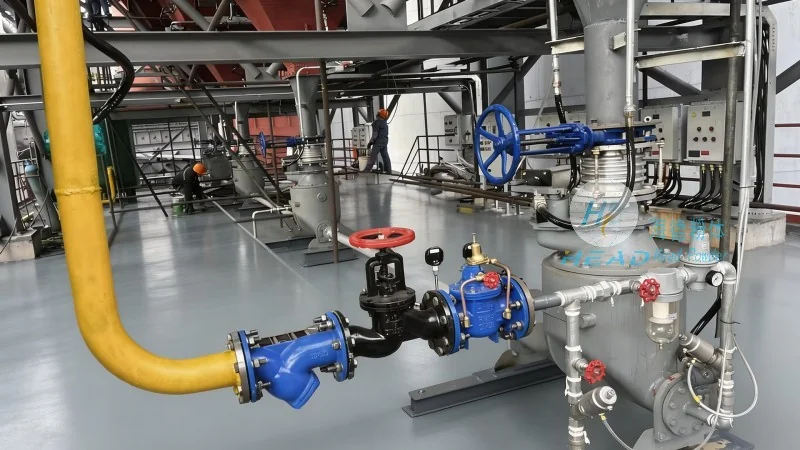
Implementing a pneumatic conveying system for caustic soda offers numerous advantages over traditional methods like belt conveyors or bucket elevators. One of the primary benefits is the ability to transport the material in a closed system, which reduces exposure to the environment and minimizes dust generation. This is crucial for maintaining workplace safety and complying with environmental regulations. Additionally, the system allows for precise control over the flow rate and pressure, enabling consistent and reliable delivery of caustic soda to processing equipment. The closed system also prevents contamination from external sources, ensuring the purity of the caustic soda. Another advantage is the reduced need for manual handling, which lowers the risk of accidents and improves overall operational efficiency. The system's compact design and flexibility in layout also make it suitable for various facility configurations, allowing for easy integration into existing production lines.
Application Scenarios in Industrial Settings
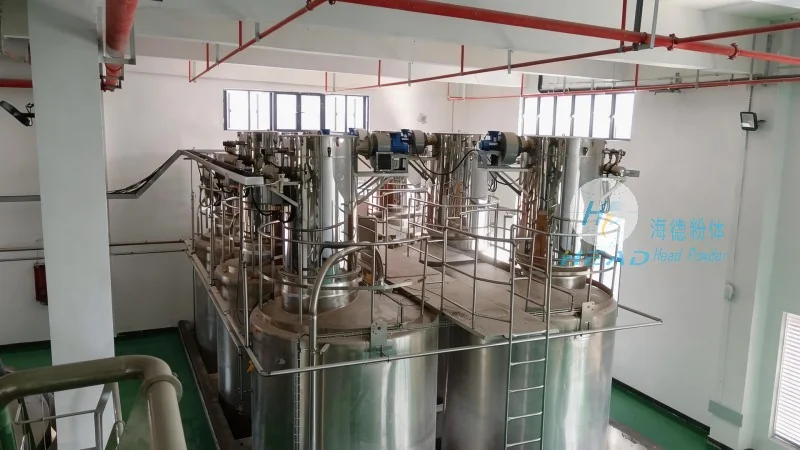
The caustic soda pneumatic conveying system is widely used in several industrial applications where efficient and safe transport of caustic soda is essential. In chemical manufacturing plants, the system is used to move caustic soda from bulk storage to reactors for the production of other chemicals, such as sodium hypochlorite or sodium carbonate. In the paper industry, it is employed to transport caustic soda to pulping and bleaching processes, where it plays a critical role in breaking down wood fibers and improving paper quality. The water treatment sector also utilizes this system to deliver caustic soda for pH adjustment and water softening processes. Each application benefits from the system's ability to handle caustic soda in a controlled manner, ensuring that the chemical is delivered to the processing unit without loss or degradation. The system's adaptability to different flow rates and material types makes it a versatile solution for various industrial needs.
Considerations for System Design and Installation
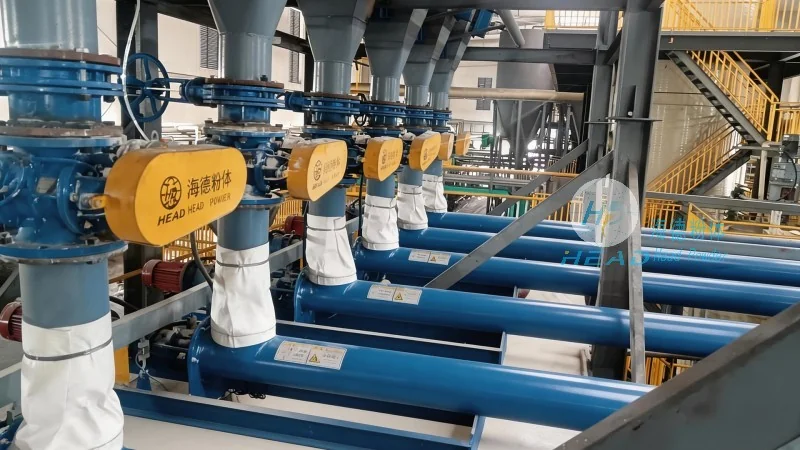
When designing and installing a caustic soda pneumatic conveying system, several factors must be considered to ensure optimal performance and longevity. The first consideration is the material selection for the conveying line and components. Since caustic soda is highly corrosive, materials like stainless steel (specifically 316 or 316L) are commonly used to resist chemical attack and maintain structural integrity. The system's layout must also be carefully planned to minimize the number of bends and changes in direction, as these can cause pressure losses and increase the risk of blockages. The air compressor or blower must be sized appropriately to provide sufficient pressure and airflow to handle the desired flow rate of caustic soda. Additionally, the system should include safety features such as pressure relief valves and overfill protection to prevent accidents. Regular maintenance is also crucial, including cleaning and inspection of the conveying line and components to prevent buildup and corrosion. Proper training for operators on the system's operation and safety protocols is essential to ensure safe and efficient use.
Conclusion and Company Overview
The caustic soda pneumatic conveying system is a vital technology in modern chemical processing, offering efficient, safe, and reliable transport of caustic soda. By leveraging pneumatic principles, this system addresses the challenges associated with handling caustic soda, including its reactivity and corrosive nature. The system's components are engineered to withstand the chemical's properties, and its operation is designed to minimize risks and maximize productivity. For industries relying on caustic soda, investing in a well-designed pneumatic conveying system is a strategic decision that enhances operational efficiency and safety. Shandong HeadPowder Engineering Co., Ltd., a leading provider of chemical engineering solutions, specializes in designing and manufacturing such systems tailored to the specific needs of clients. With a focus on quality and innovation, the company ensures that its systems meet the highest standards of performance and safety, helping clients achieve their production goals while maintaining compliance with industry regulations. Based in Shandong, China, HeadPowder Engineering Co., Ltd. has extensive experience in the chemical industry, providing reliable solutions that enhance the efficiency and safety of chemical processing operations.




