

What is Abrasive Powder Pneumatic Conveying? An Introduction to the Working Principles of Powder Han
Understanding the mechanisms and applications of abrasive powder pneumatic conveying systems is crucial for industries that rely on efficient material handling. This article delves into the fundamental principles behind this technology, providing a comprehensive overview for professionals seeking to optimize their powder processing operations.
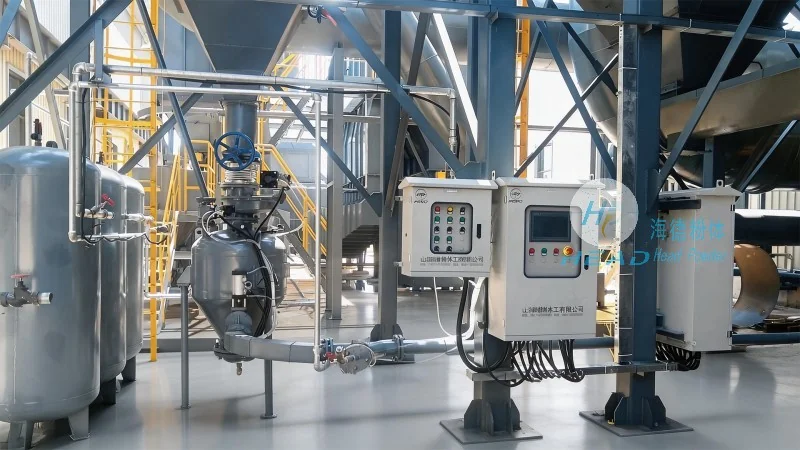
Introduction to Abrasive Powder Pneumatic Conveying
Abrasive powder pneumatic conveying, also known as pneumatic powder transport, is a method of transporting dry bulk materials, such as abrasive powders, through a pipeline using air or gas as the conveying medium. This technology is widely used in various industries, including manufacturing, mining, and construction, where the efficient movement of abrasive materials is essential for production efficiency and safety.
Working Principles of Pneumatic Conveying Systems
The core of a pneumatic conveying system involves several key components that work in tandem to transport abrasive powders. The system typically includes a material feed hopper, a conveying line (often a flexible or rigid pipe), a pressure or vacuum source, and a receiver or discharge unit. The process begins when abrasive powder is fed into the hopper, where it is then drawn into the conveying line by the pressure or vacuum created by the air or gas source.
As the abrasive powder enters the conveying line, it is suspended in the air stream, which carries the material through the pipeline to the destination. The velocity of the air stream is critical; it must be sufficient to keep the powder particles suspended and prevent them from settling or clogging the system. The design of the conveying line, including its diameter, length, and bends, is carefully engineered to maintain the required air velocity and pressure to ensure smooth and efficient transport.
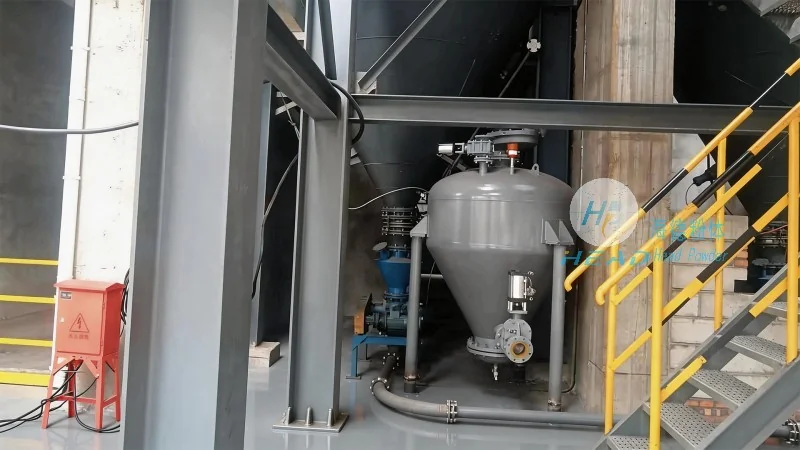
Key Components and Their Functions
Several critical components are integral to the operation of an abrasive powder pneumatic conveying system. The material feed hopper is responsible for storing and feeding the abrasive powder into the system, ensuring a consistent flow of material. The conveying line, which can be made of metal, plastic, or other materials, is designed to withstand the abrasive nature of the powder and the pressure or vacuum conditions. The pressure or vacuum source, such as a blower or vacuum pump, provides the necessary force to move the powder through the line. Finally, the receiver or discharge unit collects the abrasive powder at the end of the conveying line, where it is discharged for use in the production process.
Advantages of Abrasive Powder Pneumatic Conveying
Implementing an abrasive powder pneumatic conveying system offers numerous advantages for industrial applications. One of the primary benefits is the ability to transport abrasive materials without the need for mechanical components like belts or buckets, which can be prone to wear and tear. This reduces maintenance costs and increases the system's longevity. Additionally, pneumatic conveying systems can handle materials with varying particle sizes and shapes, making them versatile for different production needs.
Another significant advantage is the ability to control the flow rate and direction of the powder, allowing for precise dosing and delivery to processing equipment. This level of control enhances production efficiency and reduces material waste. Furthermore, pneumatic conveying systems can be integrated with other processing equipment, such as mixers or classifiers, to create a seamless material handling workflow.
Applications in Industrial Settings
Abrasive powder pneumatic conveying is widely utilized in various industrial sectors. In manufacturing, it is commonly used to transport abrasive powders for surface finishing applications, such as sandblasting or grinding. The ability to deliver these materials to specific workstations efficiently ensures consistent quality in the finished products. In mining operations, pneumatic conveying systems are employed to transport abrasive ores or minerals from extraction sites to processing facilities, improving the overall efficiency of the mining process.
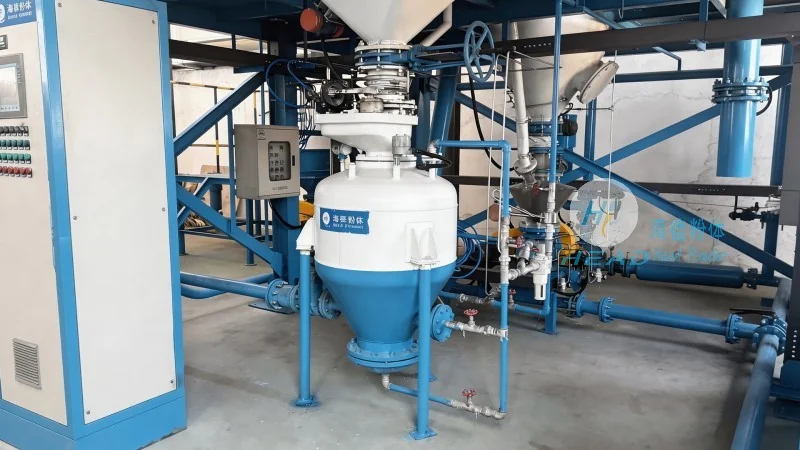
In construction, abrasive powder pneumatic conveying is used to transport materials like sand, cement, or other construction aggregates to job sites. This method allows for the rapid and reliable delivery of materials, reducing downtime and improving project timelines. The technology also finds applications in chemical and pharmaceutical industries, where the handling of abrasive powders requires strict control over contamination and material flow.
Company Overview: Shandong HeadPowder Engineering Co., Ltd.
Shandong HeadPowder Engineering Co., Ltd., commonly known as HeadPowder, is a leading provider of advanced powder handling solutions. With a focus on innovation and quality, HeadPowder specializes in designing and manufacturing pneumatic conveying systems tailored to the specific needs of abrasive powder applications. The company's expertise in material science and engineering enables them to develop customized solutions that enhance the efficiency and reliability of powder processing operations.
HeadPowder's commitment to customer satisfaction and technological advancement has established it as a trusted partner in the industry. The company's products are designed to meet the highest standards of performance and durability, ensuring long-term operational efficiency for its clients. With a strong presence in China, HeadPowder serves a diverse range of industries, providing comprehensive support from system design to installation and maintenance.