Pneumatic conveying is a critical method for transporting bulk materials like calcium nitrite, ensuring efficient and safe material handling in industrial applications. The process involves using air or other gases to move solid particles through a pipeline. For calcium nitrite, a specialized system is required to maintain material integrity and prevent degradation during transport. This article explores the key components that make up the pneumatic conveying system for calcium nitrite, highlighting the technical and operational aspects that ensure optimal performance.
Key Components of the Pneumatic Conveying System for Calcium Nitrite
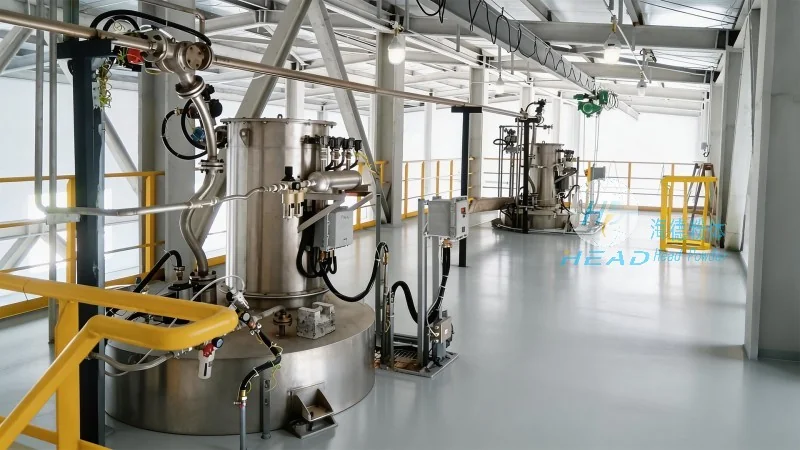
The pneumatic conveying system for calcium nitrite typically consists of several essential parts, each playing a vital role in the overall operation. The primary components include the material feed system, the conveying line, the air supply system, and the control mechanisms. The material feed system is responsible for introducing calcium nitrite into the system, often using a hopper or a rotary valve to ensure a consistent flow. The conveying line, usually made of corrosion-resistant materials such as stainless steel or special alloys, is designed to handle the chemical properties of calcium nitrite, preventing any reaction with the pipe interior. The air supply system provides the necessary pressure and volume of air to move the material through the line, with options ranging from positive pressure to negative pressure systems. Control mechanisms, including pressure sensors, flow meters, and valves, regulate the operation to maintain stable and efficient conveying.
Material Feed and Hopper Design
The material feed system is a critical component in the pneumatic conveying of calcium nitrite. The hopper, where the calcium nitrite is stored before transport, must be designed to prevent caking or agglomeration, which can impede the flow. The hopper is often equipped with a rotary valve or a star feeder to control the material discharge rate. These devices ensure a uniform flow of calcium nitrite into the conveying line, avoiding surges or blockages. The design of the hopper also considers the chemical stability of calcium nitrite, using materials that are resistant to corrosion and chemical reactions. For example, stainless steel or PTFE-lined hoppers are commonly used to maintain the purity of the material and prevent contamination.
Conveying Line and Pipe Material Selection
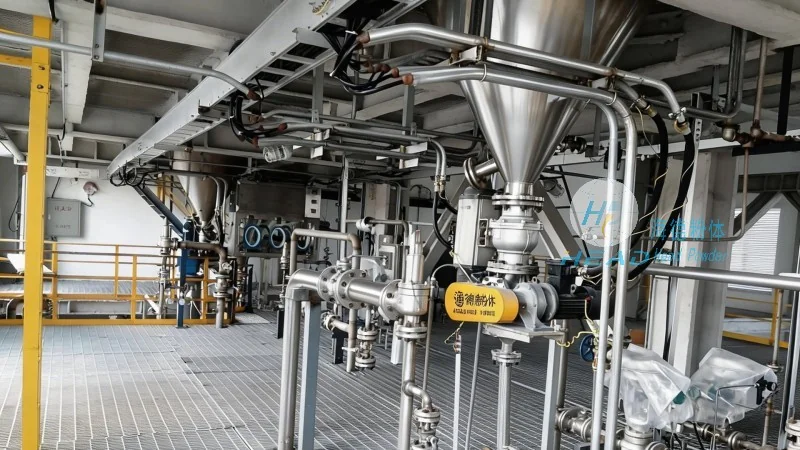
The conveying line is the core of the pneumatic system, responsible for transporting calcium nitrite from the feed point to the discharge point. The choice of pipe material is crucial, as calcium nitrite can be corrosive and reactive. Stainless steel, particularly 316L, is a popular choice due to its resistance to corrosion and ability to handle the chemical environment. Other materials, such as PTFE-coated pipes or specialized alloys, may be used in specific applications where higher resistance to chemical attack is required. The pipe diameter and length are also important factors, as they affect the pressure drop and the overall efficiency of the conveying system. Proper sizing ensures that the air velocity is sufficient to keep the calcium nitrite particles in suspension without causing excessive wear or pressure loss.
Air Supply System and Pressure Management
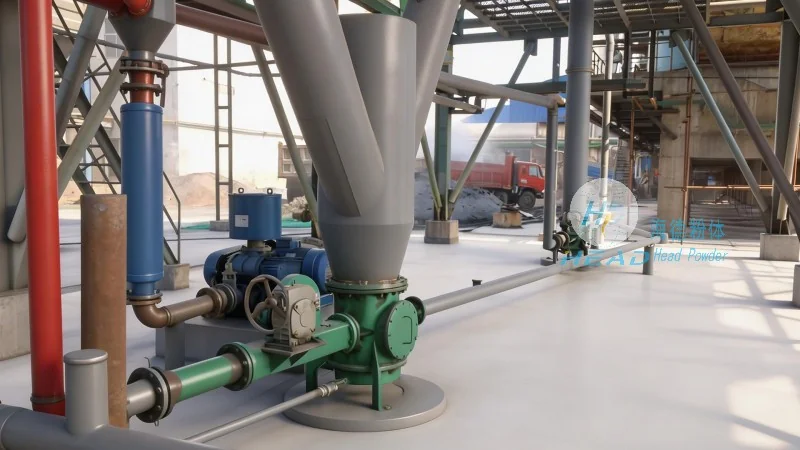
The air supply system provides the necessary force to move calcium nitrite through the conveying line. This system typically includes a blower or a compressor, which generates the required pressure and volume of air. The type of air supply system (positive or negative pressure) depends on the application and the distance the material needs to be conveyed. Positive pressure systems are common for short to medium distances, where the air is blown into the conveying line, pushing the material forward. Negative pressure systems, on the other hand, are used for longer distances or when the material needs to be drawn from a higher elevation. The pressure management system includes pressure regulators and valves that maintain consistent pressure throughout the system, ensuring stable conveying and preventing pressure fluctuations that could affect material flow.
Control and Monitoring Systems
Effective control and monitoring are essential for the reliable operation of the pneumatic conveying system for calcium nitrite. Modern systems are equipped with various sensors and control devices that monitor parameters such as pressure, flow rate, and temperature. Pressure sensors are installed at key points in the line to detect any pressure drops or increases, indicating potential blockages or system inefficiencies. Flow meters measure the rate of material transport, allowing operators to adjust the system settings for optimal performance. Temperature sensors are also used to monitor the temperature of the calcium nitrite during transport, as high temperatures can affect the material's properties. The control system integrates these sensors and provides real-time data to operators, enabling them to make adjustments quickly and maintain the system's efficiency. Additionally, alarm systems are included to alert operators of any issues, such as pressure spikes or material blockages, ensuring timely intervention and preventing system downtime.
Operational Considerations and Maintenance
Operational considerations are vital for the long-term performance and reliability of the pneumatic conveying system for calcium nitrite. Regular maintenance is essential to ensure the system operates efficiently and safely. This includes cleaning the conveying line to remove any accumulated material, inspecting the hopper and feed system for wear or damage, and checking the air supply system for proper functioning. The maintenance schedule should be based on the system's usage and the material's properties, as calcium nitrite can be abrasive and corrosive, leading to faster wear of components. Proper maintenance not only extends the life of the system but also ensures consistent material quality and reduces the risk of system failures. Additionally, operators should be trained on the proper operation and maintenance of the system to minimize errors and ensure safe handling of calcium nitrite. This includes understanding the system's pressure limits, flow rates, and emergency procedures in case of system malfunctions.




