

[COPYRIGHT]Composition of Carbon Black Powder Pneumatic Conveying
Carbon black powder pneumatic conveying systems are essential for the efficient handling and transportation of carbon black materials in industrial settings. Understanding the components that constitute such systems is vital for optimizing performance, ensuring safety, and maintaining operational efficiency. This article provides a detailed overview of the key elements that make up a carbon black powder pneumatic conveying system, highlighting the role of each component and how they collaborate to facilitate reliable material transport.
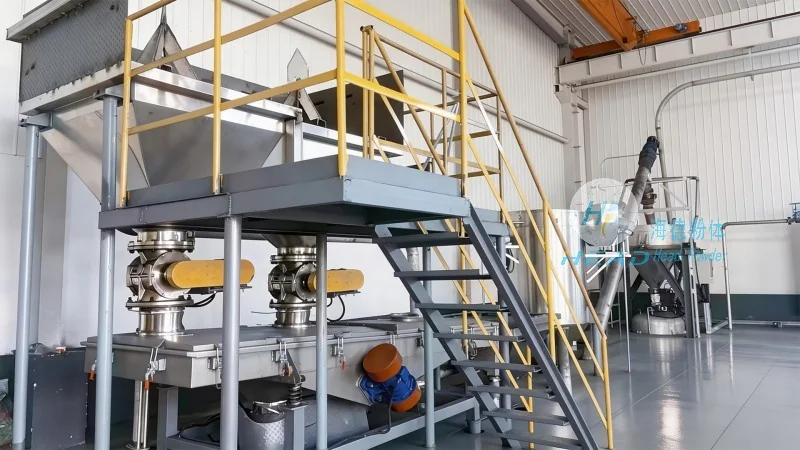
Key Components of Carbon Black Powder Pneumatic Conveying Systems
The core components of a carbon black powder pneumatic conveying system are engineered to handle the unique properties of carbon black powder, including its fine particle size, high density, and potential for static charge. These components operate sequentially to draw, transport, and discharge the material while preserving system integrity and efficiency. The primary components typically include:
1. Feed Hopper and Metering Device
The feed hopper serves as the initial storage unit where carbon black powder is held before being conveyed. It is designed to accommodate a sufficient quantity of material to support continuous operation and to provide a controlled feed rate. The metering device, often integrated with the hopper, regulates the flow of powder into the conveying line, preventing overloading or underfeeding of the system. This component is critical for maintaining consistent material feed, which directly impacts the system's throughput and overall performance.
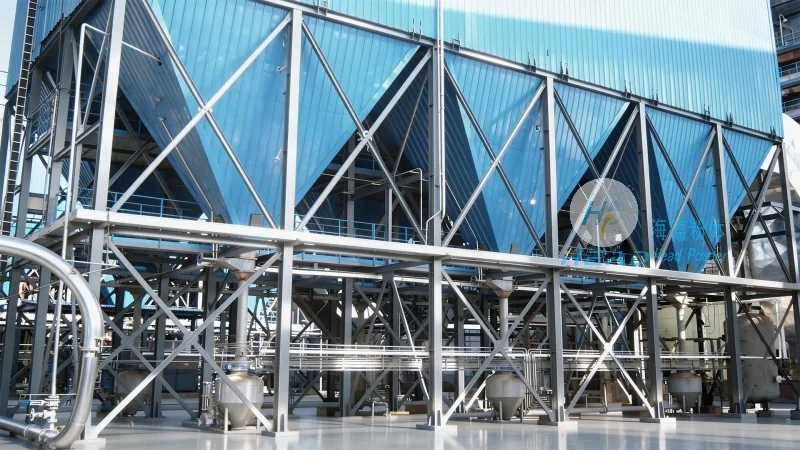
2. Air Supply System
The air supply system generates the necessary airflow to move the carbon black powder through the conveying lines. This typically involves a blower or compressor that provides the pressure and volume of air required to create a pneumatic stream. The air supply is often equipped with filters and moisture control devices to ensure that the air is clean and dry, as contaminants or moisture can affect the flow characteristics of the powder and potentially damage equipment. The system may also include pressure regulators to maintain stable air pressure, which is essential for consistent conveying performance.
3. Conveying Lines and Pipework
The conveying lines, usually constructed from materials such as stainless steel or plastic, form the main pathway for the carbon black powder and air mixture. The design of these lines—including their diameter, length, and layout—is critical to minimize pressure drop and ensure efficient material transport. Proper pipe sizing and routing help maintain the velocity of the air-powder mixture, preventing particle settling or blockages. Additionally, the use of appropriate fittings, elbows, and tees is essential to maintain system efficiency and avoid energy losses.
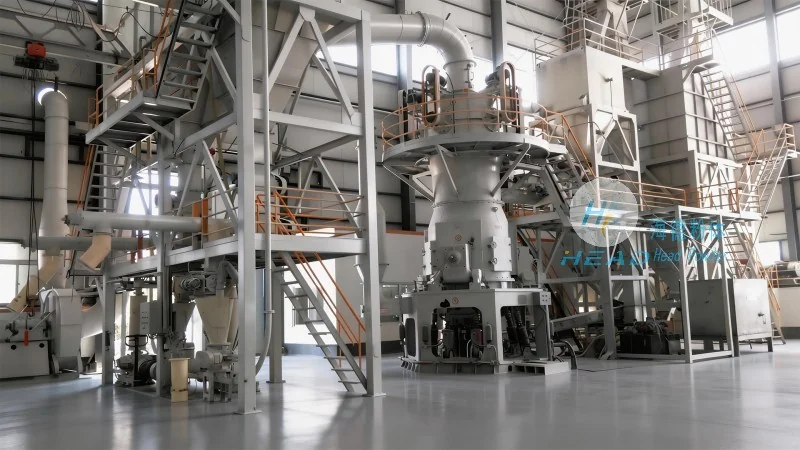
4. Separation and Collection Equipment
At the end of the conveying line, separation and collection equipment is used to separate the carbon black powder from the air stream and collect the material. This typically includes a cyclone separator or a baghouse filter, which utilizes centrifugal force or filtration to separate the powder from the air. The separated powder is then collected in a receiving hopper or container, while the cleaned air is either discharged to the atmosphere or recirculated back into the system. This component is vital for maintaining air quality and ensuring that the carbon black powder is properly collected without loss or contamination.
5. Control and Monitoring Systems
Modern carbon black powder pneumatic conveying systems are equipped with control and monitoring systems to ensure optimal operation. These systems may include pressure sensors, flow meters, and level indicators that provide real-time data on system performance. Control panels allow operators to adjust parameters such as air pressure, feed rate, and system speed, enabling them to respond quickly to changes in material conditions or system demands. Additionally, safety features such as pressure relief valves and emergency shut-off mechanisms are integrated to prevent accidents and protect personnel and equipment.
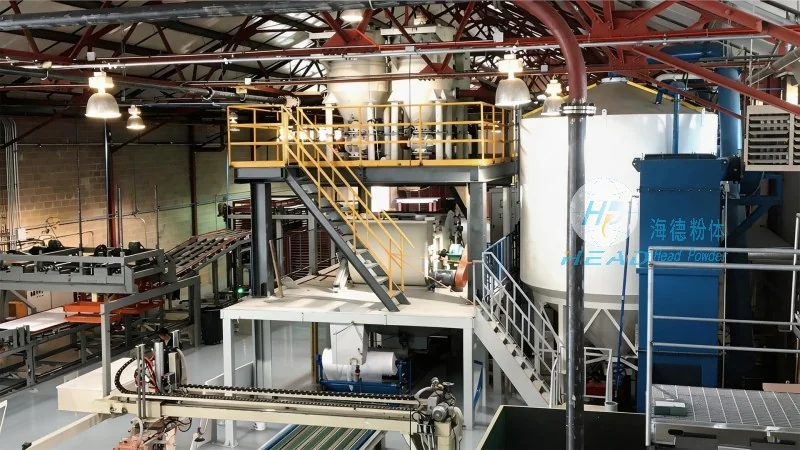
Role of Shandong HeadPowder Engineering Co., Ltd.
Shandong HeadPowder Engineering Co., Ltd., a leading provider of carbon black powder handling solutions, specializes in designing and manufacturing comprehensive pneumatic conveying systems tailored to the needs of industrial clients. With years of experience in the field, the company understands the unique challenges associated with carbon black powder and has developed advanced solutions to address them. The company's expertise lies in integrating all the key components discussed above into a cohesive system that meets the specific requirements of each application, ensuring reliable and efficient material transport. By leveraging their knowledge of material properties and system design, HeadPowder engineers can provide customized solutions that optimize performance, reduce downtime, and enhance overall operational efficiency.
Conclusion
In summary, a carbon black powder pneumatic conveying system comprises several critical components, each playing a vital role in the efficient handling and transportation of carbon black materials. From the feed hopper and air supply system to the conveying lines and separation equipment, every component is designed to work in harmony to ensure reliable operation. Companies like Shandong HeadPowder Engineering Co., Ltd. play a crucial role in providing these systems, leveraging their expertise to deliver tailored solutions that meet the demands of modern industrial applications. By understanding the composition and functionality of each component, industrial operators can make informed decisions to optimize their carbon black powder handling processes and achieve greater efficiency and productivity.