

[MTitle]Main Structures of Pneumatic Conveying Systems for Mineral Particles
HeadPowder, a leading company in the field, specializes in the design and implementation of pneumatic conveying systems tailored for mineral particles. With a focus on efficiency and reliability, their engineering solutions address the unique challenges of transporting bulk materials like minerals. The company, based in Shandong, China, leverages decades of experience to deliver customized systems that meet the specific needs of various industrial applications.
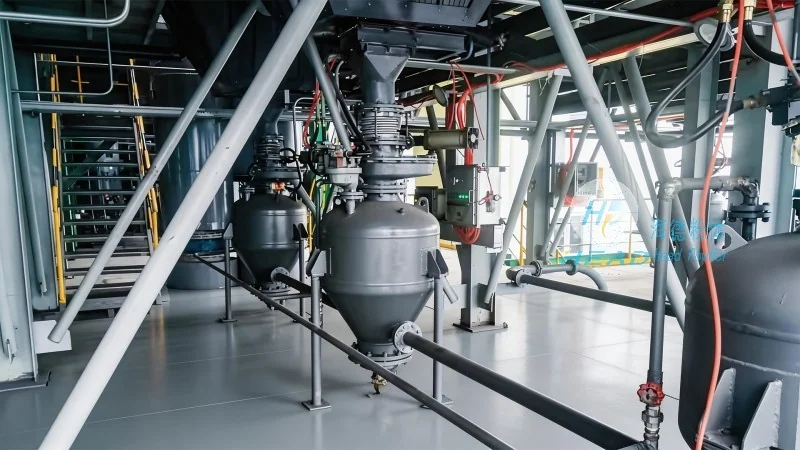
Key Pneumatic Conveying Structures
There are several primary structures used in pneumatic conveying for mineral particles, each designed to optimize material handling based on the properties of the minerals and the operational requirements. The main structures include dilute-phase and dense-phase systems, each with distinct characteristics and applications.
Dilute-Phase Pneumatic Conveying
Dilute-phase systems are characterized by the low concentration of solid particles in the air stream. This method is typically used for short to medium-distance conveying of light to medium-density minerals. The system operates by injecting air at high velocity into the material, creating a suspension that is carried through the pipeline. A key advantage of dilute-phase conveying is its ability to handle a wide range of particle sizes and shapes, making it suitable for applications such as transporting sand, cement, and other fine minerals. The system is relatively simple in design, with minimal equipment required, and is often more cost-effective for shorter distances. However, it may not be suitable for long-distance or high-density material transport due to the potential for particle segregation and the need for higher air volumes.
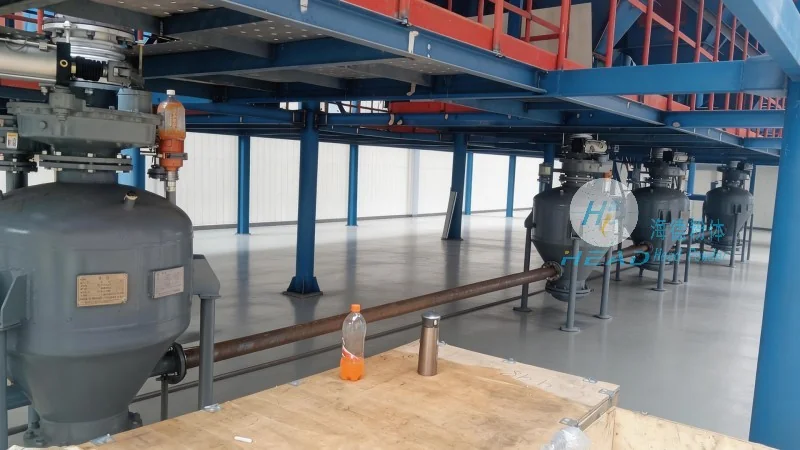
Dense-Phase Pneumatic Conveying
Dense-phase systems, also known as low-velocity or high-pressure systems, operate by conveying material in a more concentrated form. The air velocity is much lower compared to dilute-phase systems, and the material is typically transported in a plug or slug flow. This method is ideal for long-distance conveying of high-density minerals, such as coal, ore, and heavy minerals. The dense-phase approach minimizes particle degradation and segregation, ensuring that the material reaches its destination with minimal loss of quality. The system requires higher pressure and more robust equipment, including positive displacement blowers or compressors, but offers superior control over the material flow and reduces the risk of blockages. Dense-phase conveying is particularly effective for applications where the material is sensitive to high velocities or where precise control over the discharge rate is critical.
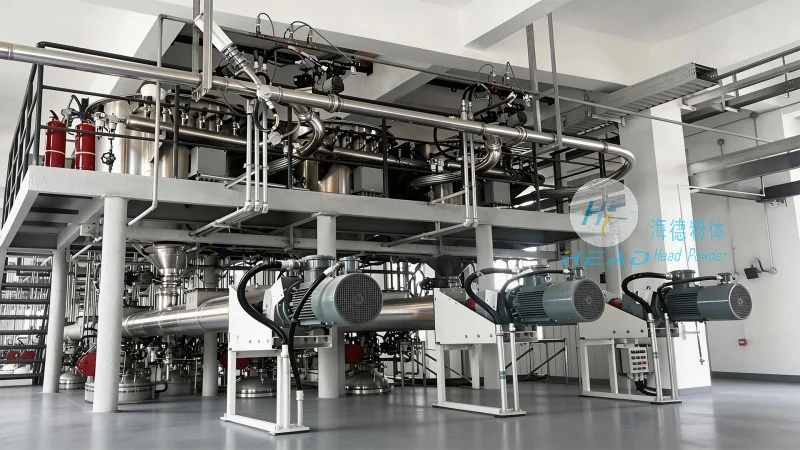
Horizontal and Vertical Conveying Structures
Another classification of pneumatic conveying structures is based on the direction of material transport. Horizontal systems are used for conveying materials along a horizontal path, while vertical systems handle vertical or inclined transport. Horizontal structures are common in applications where the material needs to be moved from one level to another or across a facility. They are typically designed with straight or slightly curved pipelines to minimize pressure losses and ensure smooth material flow. Vertical conveying systems, on the other hand, are used for transporting minerals from lower to higher elevations, such as in mining operations or material storage facilities. These systems often incorporate special components like vertical ducts, airlocks, and cyclone separators to manage the vertical movement and prevent material buildup. The choice between horizontal and vertical structures depends on the layout of the facility, the height of the vertical lift, and the specific handling requirements of the mineral particles.
Components and Integration of Pneumatic Conveying Structures
All pneumatic conveying systems for mineral particles consist of several key components that work together to ensure efficient operation. These components include the material feed system, the air supply unit, the conveying pipeline, and the material discharge and separation equipment. The material feed system is responsible for introducing the mineral particles into the air stream, which may involve hoppers, feeders, or rotary valves. The air supply unit provides the necessary pressure and volume of air, using equipment such as rotary lobe blowers, centrifugal fans, or positive displacement compressors. The conveying pipeline is designed to withstand the pressure and temperature of the system, with materials like stainless steel or special alloys to prevent corrosion and wear. The material discharge and separation equipment, including cyclone separators, filters, and air receivers, are crucial for removing the material from the air stream and returning the air to the system for reuse. The integration of these components is critical to the overall performance of the system, as any inefficiency in one part can impact the entire operation.