

[MATIN]Main Dust Gas-Pneumatic Conveying Structures
Shandong HeadPowder Engineering Co., Ltd., commonly known as headpowder, is a professional manufacturer and supplier specializing in dust gas-pneumatic conveying systems. With a focus on providing efficient and reliable solutions for dust handling, the company has established itself as a key player in the industry. Based in Shandong, China, headpowder leverages advanced technology and engineering expertise to deliver high-quality equipment tailored to diverse industrial needs.
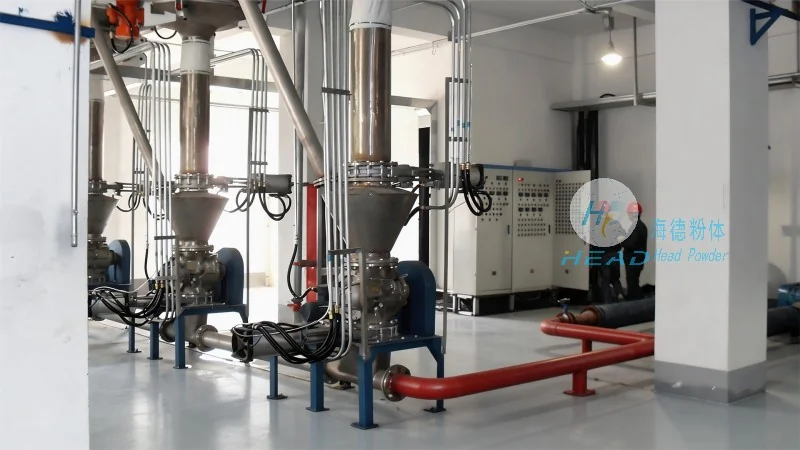
Understanding Dust Gas-Pneumatic Conveying Structures
Dust gas-pneumatic conveying structures are essential components in industrial processes that involve the transportation of fine particulate materials. These systems utilize air or gas as the medium to move dust from one location to another, offering a flexible and efficient alternative to traditional mechanical conveying methods. The primary goal of such structures is to ensure safe, clean, and efficient material transport while minimizing environmental impact and operational costs.
Key Types of Dust Gas-Pneumatic Conveying Structures
There are several main types of dust gas-pneumatic conveying structures, each designed to suit specific operational requirements and material characteristics. The most common categories include positive pressure systems, negative pressure systems, and hybrid systems. Each type operates on distinct principles, offering advantages in terms of material handling, system flexibility, and energy efficiency.
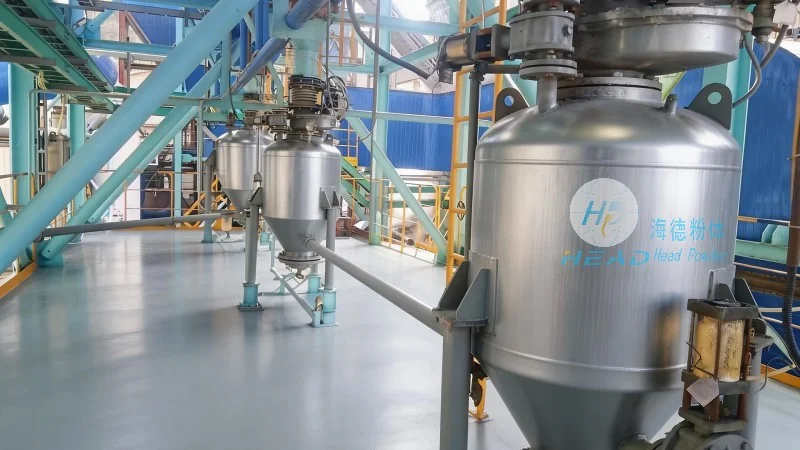
Positive Pressure Conveying Systems
Positive pressure dust gas-pneumatic conveying systems operate by blowing air or gas under pressure into the conveying line, pushing the material forward. This method is particularly effective for transporting bulk materials over long distances or through complex layouts. The system typically includes a blower, a hopper for material storage, and a series of pipes that transport the dust. Positive pressure systems are known for their high material throughput and ability to handle abrasive or corrosive materials. They are widely used in industries such as cement, chemical, and food processing, where reliable and continuous material transport is critical.
Negative Pressure Conveying Systems
Negative pressure dust gas-pneumatic conveying systems, also known as vacuum systems, operate by creating a vacuum in the conveying line to draw material from the source. This approach is ideal for applications requiring dust collection and transport from multiple points, such as in dust collection systems or material recovery processes. The system consists of a vacuum pump, a filter to capture dust particles, and a collection hopper. Negative pressure systems excel in handling fine powders and are often preferred for applications where dust containment and environmental compliance are paramount. They are commonly used in pharmaceutical, food, and metalworking industries.
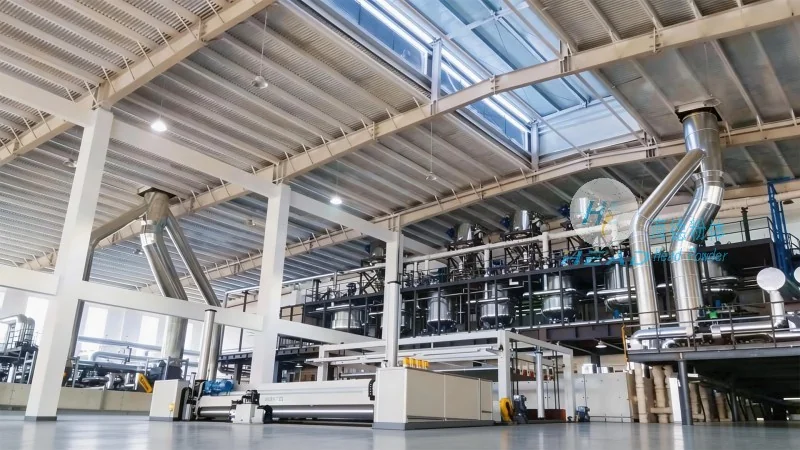
Hybrid Conveying Systems
Hybrid dust gas-pneumatic conveying systems combine elements of both positive and negative pressure methods. These systems utilize a combination of pressure and vacuum to optimize material transport efficiency. For instance, a hybrid system might use positive pressure to move material from a central point to a destination, while negative pressure is employed to collect material from multiple sources and feed it into the main line. This approach offers greater flexibility and can handle a wider range of material types and operational conditions. Hybrid systems are particularly beneficial in complex industrial setups where multiple material sources and destinations are involved, such as in large-scale manufacturing facilities.
Design Considerations for Dust Gas-Pneumatic Conveying Structures
The design of dust gas-pneumatic conveying structures involves several critical factors to ensure optimal performance and longevity. Material selection is a key consideration, as the components must withstand the abrasive nature of dust and the pressure or vacuum conditions. For example, stainless steel or special alloys are often used for the pipes and fittings to prevent corrosion and wear. The system's layout, including pipe diameter, length, and bends, also plays a crucial role in maintaining consistent air velocity and preventing material buildup or blockages. Proper filtration and dust collection systems are essential to comply with environmental regulations and maintain air quality. Additionally, the choice of blower or vacuum pump depends on the specific application, with considerations such as the required airflow rate, pressure, and power consumption.
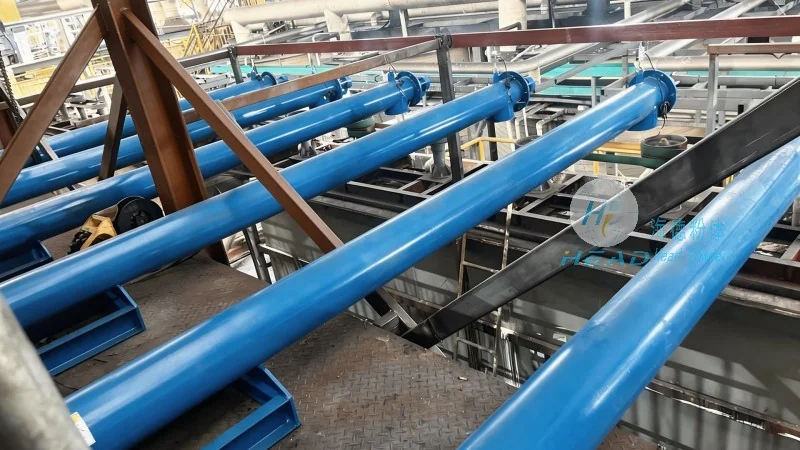
Applications and Benefits of Dust Gas-Pneumatic Conveying Structures
Dust gas-pneumatic conveying structures find extensive applications across various industries due to their versatility and efficiency. In the cement industry, these systems are used to transport raw materials and finished products, ensuring smooth production processes. In the chemical industry, they facilitate the handling of reactive powders and hazardous materials, enhancing safety and operational control. The food and pharmaceutical industries benefit from the hygienic design of these systems, which minimizes contamination and maintains product quality. The primary benefits of dust gas-pneumatic conveying structures include reduced labor costs, increased productivity, and improved environmental performance. By eliminating the need for manual handling and mechanical components, these systems lower the risk of accidents and improve overall operational efficiency.
Conclusion
Shandong HeadPowder Engineering Co., Ltd. specializes in the design, manufacturing, and supply of high-quality dust gas-pneumatic conveying structures. With a focus on innovation and customer satisfaction, the company provides tailored solutions that meet the unique needs of each industrial application. Whether it's a positive pressure, negative pressure, or hybrid system, headpowder's expertise ensures reliable and efficient material transport, contributing to the success of its clients' operations. Based in Shandong, China, headpowder continues to lead the industry in delivering advanced dust handling solutions that enhance productivity, safety, and environmental compliance.