

What is Flour Pneumatic Conveying? Classification and Applications of Pneumatic Conveying
Flour pneumatic conveying is a critical technology within the food processing sector, specifically for the efficient movement and handling of flour and other fine powders. This method leverages air to transport bulk materials through a network of pipes and equipment, offering benefits such as reduced contamination, enhanced safety, and operational flexibility when compared to traditional mechanical conveying systems.
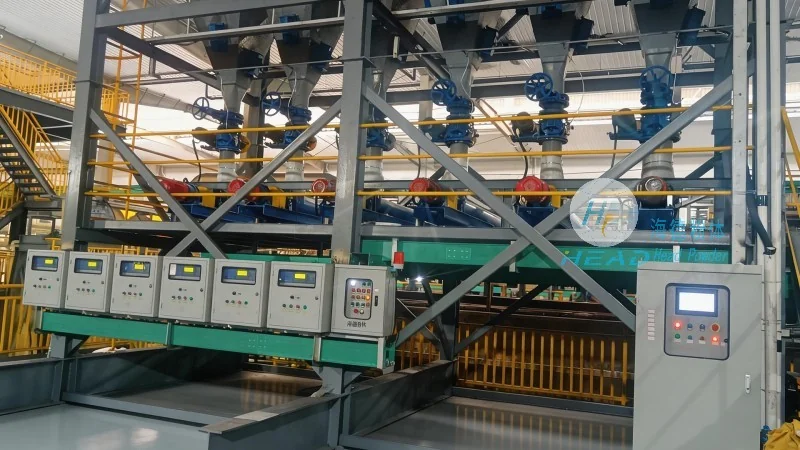
Understanding Pneumatic Conveying Systems
Pneumatic conveying systems operate by creating a pressure differential or utilizing vacuum to transport materials. In the context of flour handling, these systems are engineered to manage the delicate nature of flour, preventing clumping and preserving product quality. The technology is widely adopted in flour mills, bakeries, and other food processing facilities due to its ability to handle fine powders efficiently and hygienically.
Classification of Pneumatic Conveying
Pneumatic conveying can be broadly categorized into two main types: aspiration (or vacuum) systems and pressure systems. Each type possesses distinct characteristics and applications.
1. Aspiration (Vacuum) Pneumatic Conveying
Aspiration systems employ a vacuum to draw material from a source, such as a silo or hopper, into the conveying line. This method is ideal for scenarios where material needs to be moved from a lower elevation to a higher one, or when the material is situated in a remote or hard-to-reach area. The system typically includes a vacuum pump, a filter, and a discharge valve. Aspiration systems are commonly utilized in flour mills for collecting and transporting flour from storage silos to processing equipment.
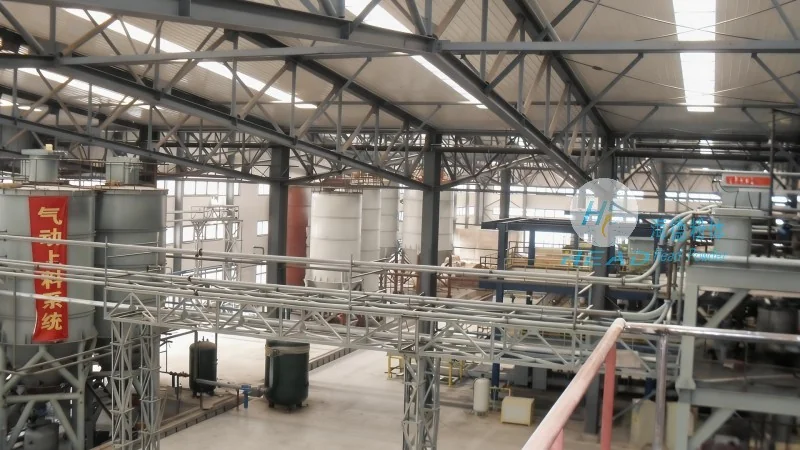
2. Pressure Pneumatic Conveying
Pressure systems, conversely, use compressed air to push material through the conveying line. This approach is suitable for applications requiring high pressure and the capacity to transport materials over extended distances or against gravity. Pressure systems are often employed when the material needs to be moved from a higher elevation to a lower one, or when the conveying distance is significant. In flour processing, pressure systems are used for transferring flour from processing units to packaging or storage areas.
Applications of Flour Pneumatic Conveying
The applications of flour pneumatic conveying are diverse and essential within the food industry. Key applications include:
1. Flour Milling and Processing
In flour mills, pneumatic conveying is used to transport raw wheat, intermediate products like middlings, and final flour products. The system ensures that the flour is moved without contamination and maintains its quality throughout the process. This is particularly vital in modern flour mills where hygiene and efficiency are paramount.
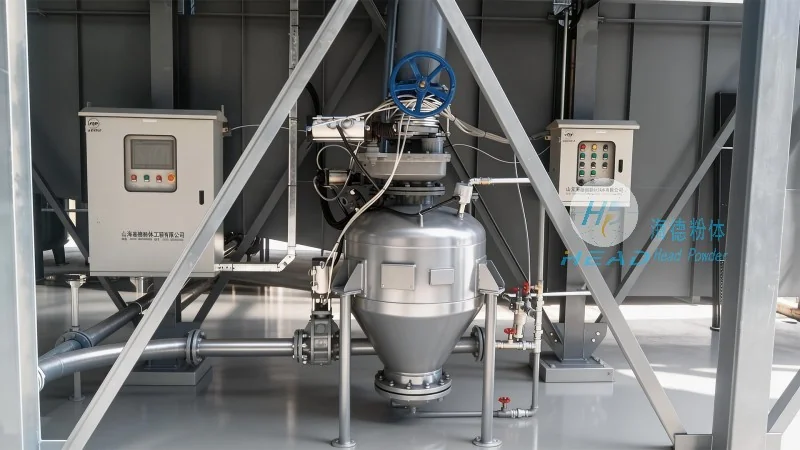
2. Bakery and Food Production
Bakeries and other food production facilities utilize pneumatic conveying to transport ingredients such as flour, sugar, and other dry powders. The technology allows for precise control over the flow rate and quantity of ingredients, which is critical for maintaining consistent product quality and reducing waste.
3. Packaging and Storage
After processing, flour is often transferred to packaging machines or storage silos using pneumatic conveying systems. This method ensures that the flour is handled gently and remains free-flowing, preventing caking or blockages in the packaging equipment. The efficiency of pneumatic conveying in this stage helps to streamline the overall production process.
Advantages of Flour Pneumatic Conveying
Flour pneumatic conveying offers several advantages over traditional mechanical conveying methods. These include:
1. Hygienic and Clean Operation
The enclosed system of pneumatic conveying prevents contamination from external sources, ensuring that the flour remains clean and safe for human consumption. This is a critical factor in the food industry, where product safety is a top priority.
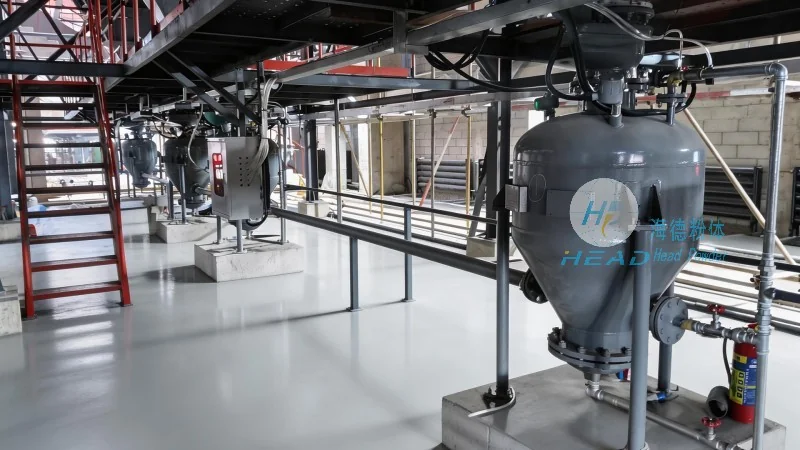
2. Reduced Labor and Maintenance
Pneumatic conveying systems require less manual labor compared to mechanical systems, as the material is moved automatically. Additionally, the system has fewer moving parts, which reduces the need for frequent maintenance and extends the lifespan of the equipment.
3. Energy Efficiency
Modern pneumatic conveying systems are designed to be energy-efficient, using less power to transport materials compared to traditional methods. This not only reduces operational costs but also contributes to a more sustainable operation.
Conclusion
Flour pneumatic conveying is a vital technology in the food processing industry, providing efficient, hygienic, and safe methods for handling and transporting flour and other fine powders. The classification of pneumatic conveying systems, including aspiration and pressure types, allows for tailored solutions to meet the specific needs of different applications. As a leading provider in this field, Shandong HeadPowder Engineering Co., Ltd., based in Shandong, China, specializes in designing and manufacturing high-quality pneumatic conveying systems that meet the demands of modern flour mills and food processing facilities.