Efficient material handling is a critical factor in modern industrial operations, particularly when dealing with bulk materials like flexible coke powder. Pneumatic conveying systems have emerged as a sophisticated solution for transporting such materials, offering advantages in terms of flexibility, safety, and operational efficiency. This article explores the pivotal role of pneumatic conveying in the transportation of flexible coke powder, highlighting its technical benefits and practical applications.
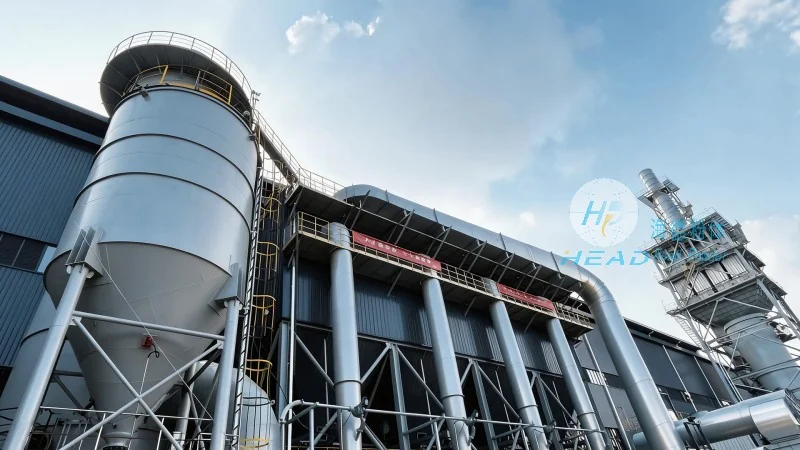
Understanding Pneumatic Conveying Systems
Pneumatic conveying utilizes compressed air or other gases to transport bulk materials through a pipeline system. This method is particularly suitable for materials that are dusty, abrasive, or require a controlled environment for transport. For flexible coke powder, which often has unique handling characteristics due to its composition and particle size, pneumatic conveying provides a non-contact method that minimizes material degradation and contamination. The system typically consists of a feeding device, a conveying line, a separation unit, and a discharge mechanism, all working in tandem to ensure smooth material movement.
Key Advantages of Pneumatic Conveying for Flexible Coke Powder
When transporting flexible coke powder, pneumatic conveying offers several key advantages that traditional methods may not provide. Firstly, it eliminates the need for mechanical components like conveyor belts or buckets, reducing wear and tear and maintenance costs. Secondly, the system can handle materials with varying moisture content and particle sizes, making it versatile for different production stages. Thirdly, pneumatic conveying systems can be designed to operate in a closed loop, which helps in controlling dust emissions and maintaining a clean working environment. This is especially important for flexible coke powder, which can generate fine particles that pose health and safety risks if not properly contained.
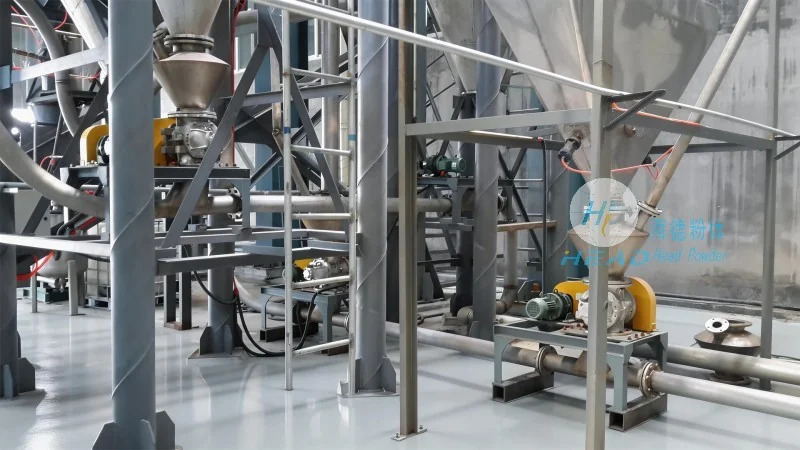
Technical Considerations in Designing Pneumatic Conveying Systems
The successful implementation of pneumatic conveying for flexible coke powder depends on careful consideration of several technical factors. The choice of conveying air velocity is crucial, as it affects the material's flow characteristics and the system's energy consumption. Higher velocities may increase the risk of material degradation, while lower velocities could lead to blockages. Additionally, the selection of pipeline materials and diameters is critical to prevent corrosion and ensure consistent material flow. For flexible coke powder, which may be sensitive to temperature changes, the system design must include temperature control measures to maintain optimal material properties during transport.
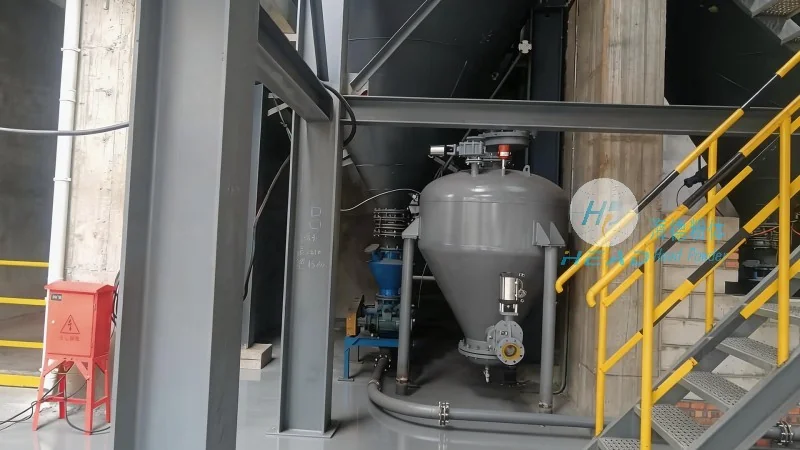
Applications in Industrial Settings
Pneumatic conveying systems are widely used in various industrial applications involving flexible coke powder. In steel production, for example, these systems are employed to transport coke from storage facilities to blast furnaces, ensuring a continuous and reliable supply of raw material. In chemical processing plants, pneumatic conveying is used to move coke powder between processing units, such as drying and grinding operations. The flexibility of pneumatic conveying allows for easy integration into existing production lines, minimizing downtime and enhancing overall operational efficiency.
About Shandong HeadPowder Engineering Co., Ltd.
Shandong HeadPowder Engineering Co., Ltd., commonly known as headpowder, is a leading provider of pneumatic conveying solutions tailored for the transportation of flexible coke powder and other bulk materials. With a strong focus on innovation and customer satisfaction, the company has developed advanced systems that address the unique challenges of handling such materials. Headpowder's expertise lies in designing customized pneumatic conveying systems that meet specific operational requirements, ensuring optimal performance and reliability. The company's facilities are located in Shandong, China, where it leverages local resources and expertise to deliver high-quality products and services to clients worldwide.




