

Role of Pneumatic Conveying in Soybean Meal Transport
For businesses involved in the processing and distribution of soybean meal, the efficiency and reliability of material handling systems are critical to operational success. Among the various methods available, pneumatic conveying stands out as a highly effective solution for transporting soybean meal from production sites to storage or processing facilities. This article explores the role of pneumatic conveying in soybean meal transport, highlighting its benefits, technical considerations, and the expertise of Shandong HeadPowder Engineering Co., Ltd. in implementing such systems.
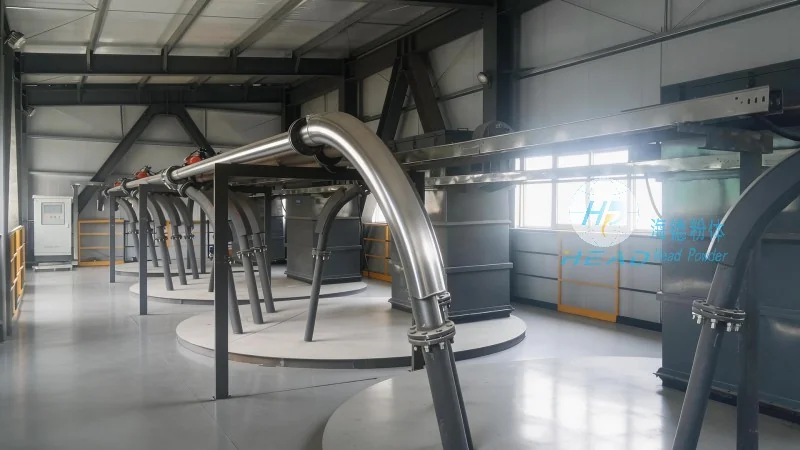
Understanding Pneumatic Conveying and Its Relevance to Soybean Meal
Pneumatic conveying is a technology that uses air or other gases to transport bulk materials like soybean meal through a pipeline system. Unlike traditional mechanical conveyors, which rely on belts or screws, pneumatic systems utilize pressure differentials to move materials. This method is particularly well-suited for soybean meal due to its granular nature and the need for hygienic, dust-free handling. The process typically involves a hopper where the soybean meal is fed into a pipeline, where it is then carried by a stream of air under pressure. The air velocity is carefully controlled to ensure the material is transported without degradation or segregation.
The Advantages of Pneumatic Conveying for Soybean Meal Transport
Implementing pneumatic conveying for soybean meal offers several key advantages that enhance operational efficiency and product quality. First, it provides a dust-free environment, which is essential for maintaining the purity and nutritional value of soybean meal. Unlike mechanical systems that can generate dust and cause contamination, pneumatic conveying minimizes exposure to airborne particles, ensuring that the final product meets stringent quality standards. Second, it allows for a more flexible layout, as the pipeline can be routed around obstacles or integrated into existing facility designs without the need for complex structural modifications. This flexibility is particularly valuable in processing plants where space is limited or where the layout needs to adapt to changing production requirements. Third, pneumatic systems offer high throughput capabilities, enabling large volumes of soybean meal to be transported quickly and efficiently. This is crucial for meeting the demands of high-volume production and distribution, ensuring that products reach their destinations in a timely manner. Additionally, the hygienic design of pneumatic conveying systems, with smooth surfaces and easy-to-clean components, supports compliance with food safety regulations, which is paramount in the soybean meal industry.
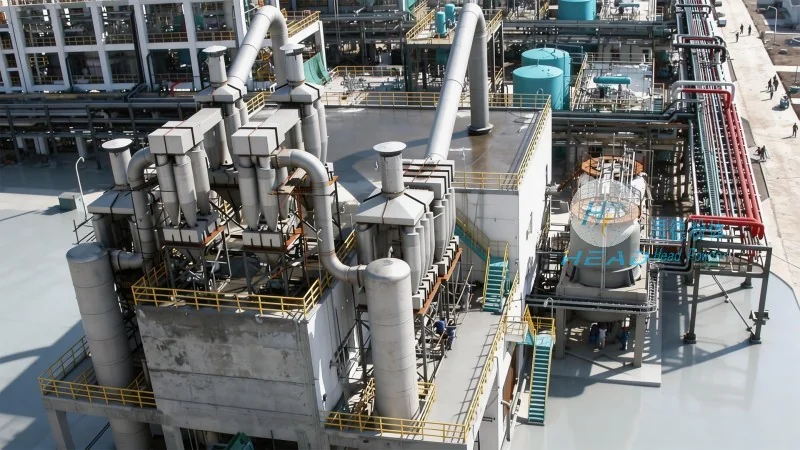
Technical Considerations for Effective Soybean Meal Pneumatic Conveying
While pneumatic conveying offers significant benefits, successful implementation requires careful consideration of several technical factors. The first is the selection of the appropriate air velocity and pressure. The air velocity must be high enough to keep the soybean meal particles suspended in the air stream but not so high as to cause excessive wear on the system components or to degrade the material. The pressure differential between the inlet and outlet of the pipeline is also critical, as it determines the distance and height the material can be conveyed. Engineers must calculate these parameters based on the specific characteristics of the soybean meal, such as particle size, density, and moisture content, to ensure optimal performance. Another important consideration is the design of the hopper and feeder. The hopper must be designed to minimize material bridging and ensure a consistent flow of soybean meal into the pipeline. The feeder, typically a rotary valve or a star feeder, must be capable of handling the material's flow characteristics without causing blockages or uneven discharge. Additionally, the pipeline system must be properly sized and supported to prevent sagging or excessive stress on the components, which could lead to leaks or system failure. Regular maintenance and monitoring of the system are also essential to ensure long-term reliability and performance.
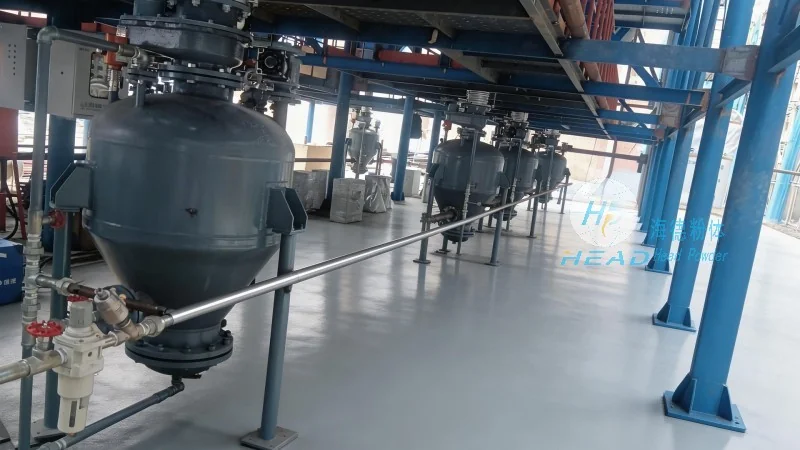
HeadPowder's Expertise in Pneumatic Conveying Solutions
Shandong HeadPowder Engineering Co., Ltd., a leading provider of material handling solutions, specializes in designing and manufacturing pneumatic conveying systems tailored to the unique needs of the soybean meal industry. With years of experience in the field, HeadPowder has developed a deep understanding of the technical challenges associated with transporting soybean meal and has developed innovative solutions to address them. The company's team of engineers and technicians works closely with clients to assess their specific requirements, including production capacity, facility layout, and quality standards, to design a customized pneumatic conveying system that meets their needs. HeadPowder's systems are built with high-quality components, including stainless steel pipelines, advanced air compressors, and reliable control systems, ensuring durability and long-term performance. The company also provides comprehensive support, including installation, commissioning, and after-sales service, to ensure that clients can operate their systems efficiently and effectively. By leveraging HeadPowder's expertise, soybean meal producers can enhance their operational efficiency, improve product quality, and reduce costs associated with material handling.
Conclusion: The Role of Pneumatic Conveying in Modern Soybean Meal Transport
In conclusion, pneumatic conveying plays a vital role in the efficient and reliable transport of soybean meal. Its ability to provide dust-free, flexible, and high-throughput material handling makes it an ideal solution for modern processing facilities. By understanding the technical considerations and leveraging the expertise of companies like Shandong HeadPowder Engineering Co., Ltd., soybean meal producers can optimize their material handling systems, improve product quality, and enhance their overall operational performance. As the demand for soybean meal continues to grow, the adoption of advanced pneumatic conveying technologies will remain essential for meeting the challenges of efficient and sustainable production and distribution.