

Role of Pneumatic Conveying in Graphite Handling
Graphite, a versatile material used in various industries such as refractory, battery, and lubricant manufacturing, requires efficient and reliable handling methods to ensure optimal performance and safety. Pneumatic conveying has emerged as a critical technology in the transportation of graphite, offering advantages over traditional methods like belt conveyors or bucket elevators. This article explores the role of pneumatic conveying in graphite handling, highlighting its benefits, technical considerations, and the expertise of Shandong HeadPowder Engineering Co., Ltd. in providing tailored solutions for graphite transport.
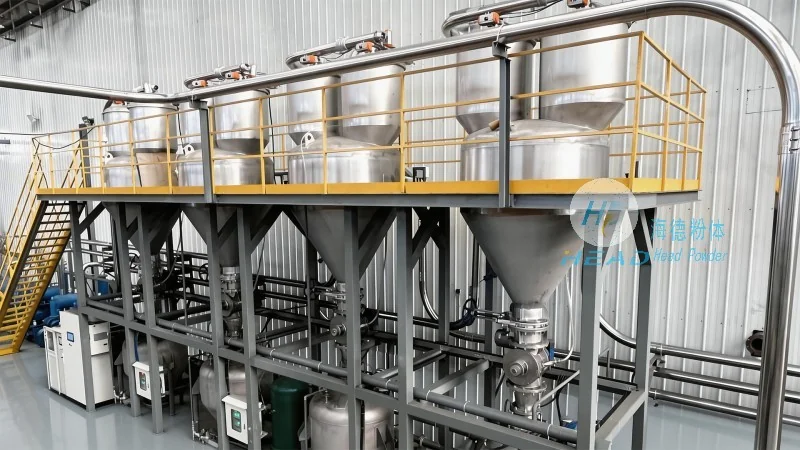
Introduction to Pneumatic Conveying for Graphite
Pneumatic conveying systems utilize air or gas to transport bulk materials like graphite through a pipeline network. Unlike mechanical conveyors, these systems eliminate the need for moving parts in contact with the material, reducing wear and tear and minimizing the risk of contamination. For graphite, which is often handled in fine or powder form, pneumatic conveying offers a clean and efficient method to move the material from storage to processing units without the need for manual handling or intermediate storage.
Key Advantages of Pneumatic Conveying in Graphite Handling
One of the primary benefits of pneumatic conveying for graphite is its ability to handle fine powders and prevent dust accumulation. Graphite particles are typically small and can be easily airborne, posing health and safety risks if not managed properly. Pneumatic systems use enclosed pipelines and controlled air flow to contain the material, ensuring a dust-free environment and compliance with occupational health regulations. Additionally, these systems offer flexibility in layout, allowing for vertical and horizontal transport over long distances with minimal space requirements.
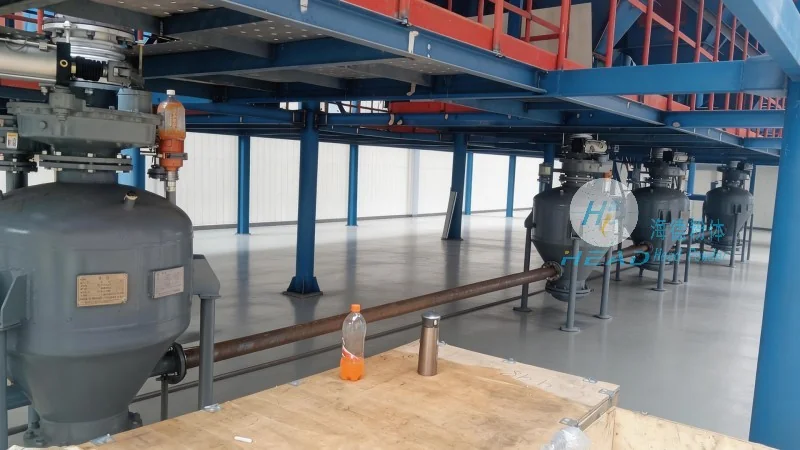
Another advantage is the reduced maintenance and operational costs associated with pneumatic conveying. Unlike mechanical conveyors that require regular lubrication and part replacement, pneumatic systems have fewer moving components, leading to lower downtime and maintenance expenses. The efficiency of air-based transport also contributes to energy savings, as the system operates with lower power consumption compared to traditional bulk handling equipment.
Technical Considerations for Graphite Pneumatic Conveying
Implementing an effective pneumatic conveying system for graphite involves several technical considerations. The first is the selection of the appropriate conveying method, which can be categorized into pressure or vacuum systems. Pressure systems use compressed air to push the material through the pipeline, suitable for short to medium distances and high material flow rates. Vacuum systems, on the other hand, use suction to draw the material, ideal for long-distance transport or when the material needs to be collected from multiple sources.
Material properties play a crucial role in system design. Graphite's density, particle size distribution, and flow characteristics affect the air velocity and pressure required for successful transport. For example, finer graphite powders may require higher air velocities to prevent clogging, while larger particles might need lower velocities to avoid excessive wear on the system components. HeadPowder Engineering Co., Ltd. specializes in analyzing these material properties and designing systems that optimize performance and longevity.
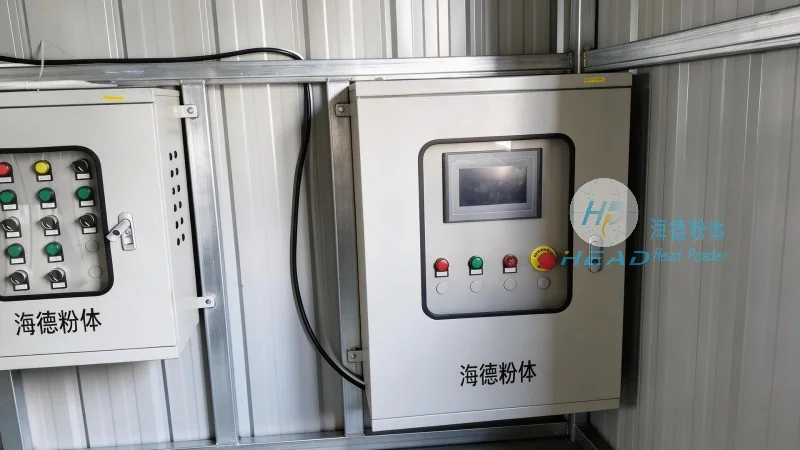
System components, such as air compressors, cyclone separators, and material feeders, must be carefully selected to handle graphite's unique characteristics. Air compressors need to provide consistent pressure and volume to maintain stable material flow. Cyclone separators are essential for separating the graphite from the air stream, ensuring that the material is recovered efficiently and the air is cleaned before release. Material feeders, like rotary valves or screw feeders, control the flow rate and prevent blockages in the system, especially when handling cohesive or fine powders.
HeadPowder Engineering Co., Ltd.: Expertise in Graphite Pneumatic Conveying
Shandong HeadPowder Engineering Co., Ltd. is a leading provider of customized pneumatic conveying solutions for graphite handling. With years of experience in the industry, the company understands the specific challenges associated with transporting graphite and offers tailored systems that meet the unique needs of each client. HeadPowder's team of engineers and technicians work closely with clients to assess their material characteristics, operational requirements, and space constraints, ensuring that the final system is both efficient and cost-effective.
The company's expertise extends to the entire lifecycle of the pneumatic conveying system, from design and installation to maintenance and support. HeadPowder engineers use advanced software and simulation tools to model the system's performance, allowing for precise calculations of air flow, pressure drop, and material transport rates. This approach ensures that the system operates at optimal efficiency, minimizing energy consumption and maximizing material throughput.
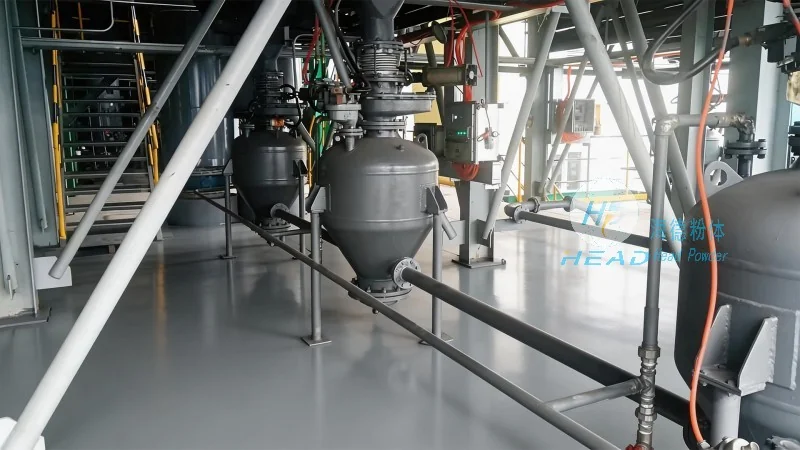
HeadPowder's commitment to quality and customer satisfaction is reflected in its adherence to industry standards and continuous improvement initiatives. The company collaborates with clients to develop long-term solutions that adapt to changing production needs, providing flexibility and reliability in graphite handling. With a focus on innovation and technical excellence, HeadPowder Engineering Co., Ltd. remains at the forefront of providing advanced pneumatic conveying systems for the graphite industry.
Conclusion
Pneumatic conveying has become an indispensable technology in the efficient and safe handling of graphite. Its ability to transport fine powders, minimize contamination, and reduce operational costs makes it a preferred choice for many industries. Shandong HeadPowder Engineering Co., Ltd. plays a vital role in this field by providing expertly designed and manufactured pneumatic conveying systems that meet the specific requirements of graphite handling. By leveraging their technical expertise and commitment to quality, HeadPowder helps clients optimize their graphite transport processes, enhancing productivity and ensuring compliance with industry regulations.