

Technical Parameters and Conveying System Process for Rubber Granules
HeadPowder, a leading manufacturer of rubber granules and conveying systems, specializes in providing high-quality technical solutions for industrial applications. With a focus on precision and efficiency, the company's products are designed to meet the diverse needs of various industries, including sports, road construction, and industrial flooring. The technical parameters and conveying system processes outlined below are based on the expertise and experience of Shandong HeadPowder Engineering Co., Ltd., a company based in Shandong, China. This article provides a detailed overview of the key technical parameters of rubber granules and the processes involved in their efficient conveying, ensuring optimal performance and reliability in industrial settings.
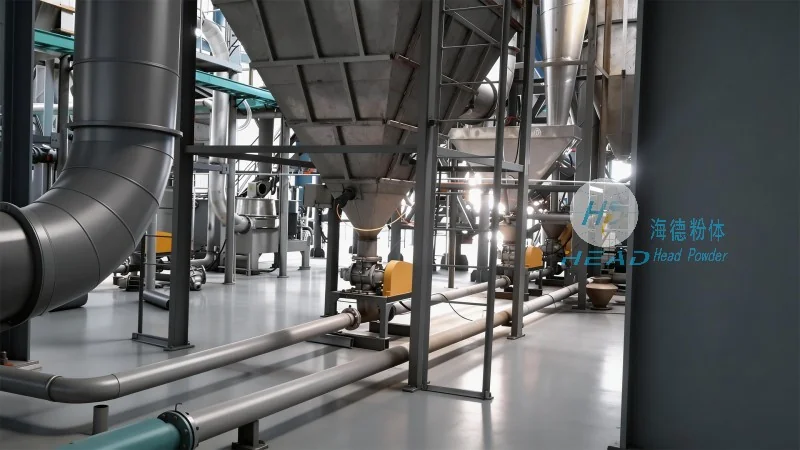
Technical Parameters of Rubber Granules
When evaluating rubber granules for industrial use, a comprehensive understanding of their technical parameters is essential. These parameters define the material's suitability for various applications and influence the efficiency of downstream processes. Key technical parameters include particle size distribution, bulk density, specific gravity, and mechanical properties such as hardness, tensile strength, and abrasion resistance. Particle size distribution, typically measured using sieving or laser diffraction techniques, determines the granules' flowability and compaction characteristics. For instance, a narrow particle size range ensures consistent flow rates, while a broad range may lead to uneven compaction in applications like sports surfaces. Bulk density, which is the mass of granules per unit volume, affects storage and handling efficiency. Higher bulk density allows for more material to be stored in a given space, reducing storage costs. Specific gravity, the ratio of the granule's mass to the mass of an equal volume of water, helps in material identification and processing calculations. Mechanical properties like hardness, measured using Shore A or D scales, indicate the granules' resistance to deformation and wear. Tensile strength and abrasion resistance are critical for applications where the granules are subjected to high stress or friction, such as in road paving or industrial flooring.
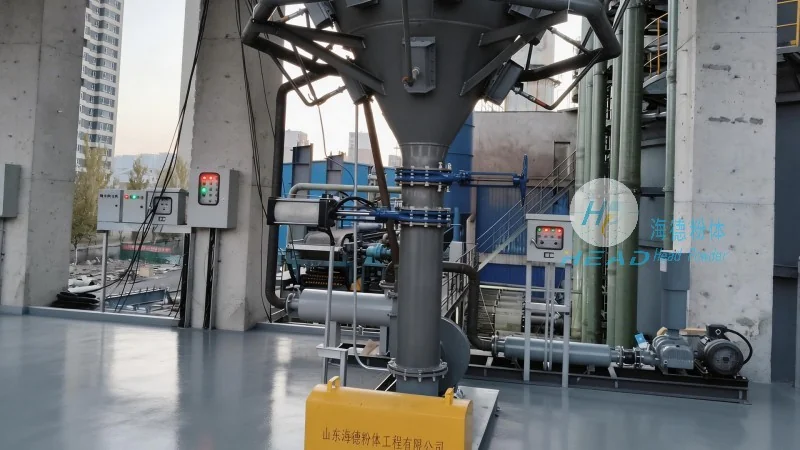
Conveying System Process Overview
The conveying system for rubber granules is a critical component in the material handling process, designed to transport the granules from storage to processing or application areas efficiently and safely. The process begins with material feeding from bulk storage silos or hoppers, where the granules are collected and prepared for transport. The system typically consists of several stages, including feeding, conveying, and transfer, each optimized to handle the granules' characteristics. The primary methods of conveying rubber granules are screw conveyors and belt conveyors, chosen based on factors such as throughput requirements, material flowability, and system layout. Screw conveyors are preferred for handling free-flowing granules due to their ability to maintain a consistent flow rate and minimize material degradation. They are particularly effective for vertical or inclined transport, as the screw flights push the material along the trough. Belt conveyors, on the other hand, are suitable for larger volumes and can handle more abrasive materials with minimal wear. They are commonly used for horizontal or slightly inclined transport and can be equipped with side walls or load zones to prevent material spillage. The system also includes auxiliary components like feeders, control valves, and dust suppression mechanisms to ensure smooth operation and environmental compliance. Proper integration of these components is essential to prevent downtime and maintain system efficiency.
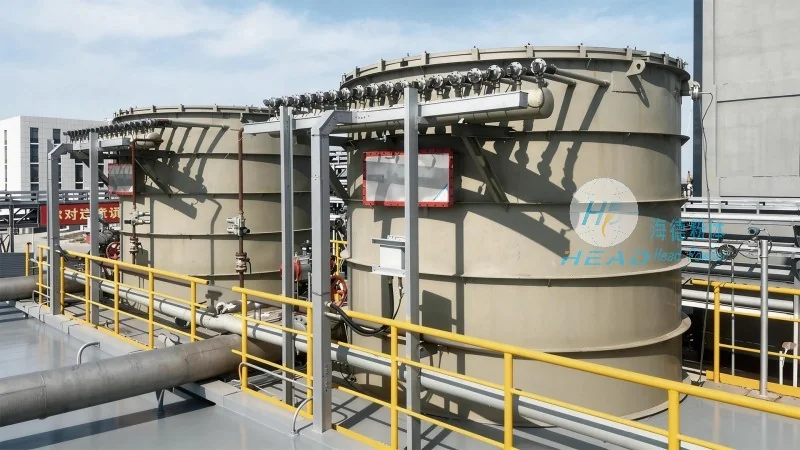
Key Components and Their Functions
Several critical components make up the rubber granules conveying system, each playing a vital role in the overall process. The feed hopper is the first point of contact, where granules are collected and prepared for transport. It is designed to handle the bulk material and ensure a uniform feed to the conveyor, preventing overloading or uneven flow. The hopper's shape and material (often stainless steel or corrosion-resistant alloys) are chosen to minimize material degradation and prevent clogging. The conveyor itself, whether screw or belt, is the core of the system, responsible for moving the material along the desired path. For screw conveyors, the screw flights and shaft are engineered to provide the necessary torque and speed to move the granules. The pitch and diameter of the screw determine the flow rate and pressure, with larger diameters and wider pitches allowing for higher throughput. The belt conveyor uses a motor-driven pulley system to pull the belt, which carries the granules. The belt material (e.g., rubber or PVC) and width are selected based on the granule size and weight, ensuring the belt can support the load without slipping. In addition to the primary conveyor, auxiliary components like elevators and transfer points are used to change the material's direction or height. These components are typically equipped with sealing and lubrication systems to reduce friction and prevent material leakage. The control system, which includes sensors (e.g., level sensors, flow meters) and automation devices (e.g., PLCs), monitors the flow rate, pressure, and temperature, ensuring the system operates within safe and efficient parameters. This system allows for real-time adjustments and proactive maintenance, minimizing downtime and maximizing productivity.