Gas-pneumatic conveying is a critical technology in the handling and processing of calcium carbide dust removal ash. This method involves transporting bulk materials like dust and fine particles using air pressure or vacuum. For applications involving calcium carbide dust removal ash, the selection of an appropriate gas-pneumatic conveying system is essential to ensure efficient material transport, minimize environmental impact, and maintain operational safety. The following discussion explores the types, key characteristics, and application ranges of such systems, with a focus on the specific requirements of calcium carbide dust removal ash.
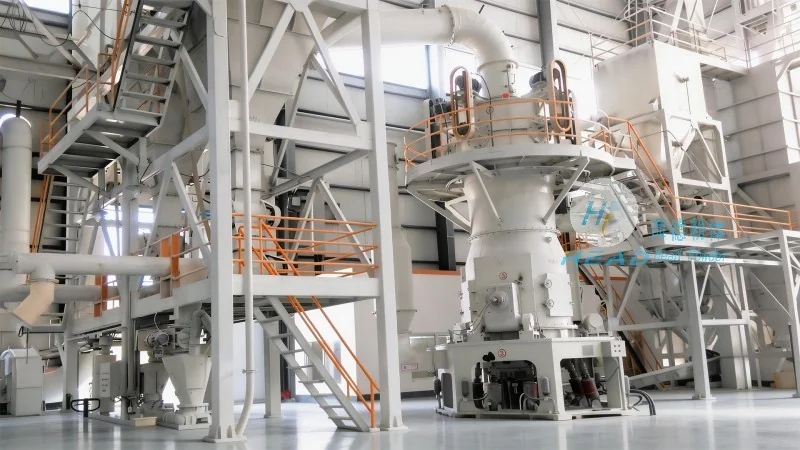
About Shandong HeadPowder Engineering Co., Ltd.
Shandong HeadPowder Engineering Co., Ltd., commonly known as HeadPowder, is a leading provider of specialized engineering solutions for material handling and processing. With a strong commitment to innovation and quality, HeadPowder has established itself as a trusted partner in the industry, offering tailored solutions for various bulk material applications. The company’s expertise in gas-pneumatic conveying systems is particularly relevant for handling calcium carbide dust removal ash, a material that requires careful management due to its chemical properties and potential environmental hazards.
Types of Gas-Pneumatic Conveying Systems
There are primarily two types of gas-pneumatic conveying systems used for calcium carbide dust removal ash: positive pressure systems and negative pressure systems. Each type has distinct characteristics and is suitable for different operational scenarios.
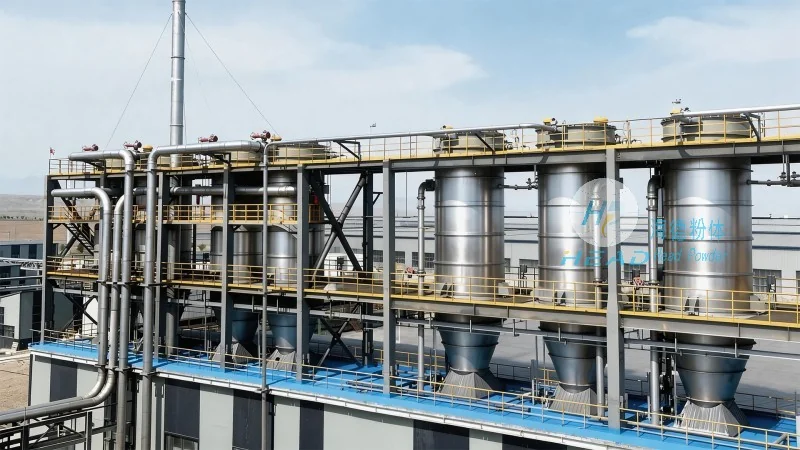
Positive Pressure Conveying Systems
Positive pressure systems operate by forcing air or a gas mixture through the conveying line, creating a pressure higher than the ambient air pressure. This method is commonly used for long-distance or high-capacity transport of calcium carbide dust removal ash. The key advantages of positive pressure systems include high conveying efficiency, the ability to handle abrasive materials, and reduced risk of material degradation. However, they may require more energy and can be more complex to install and maintain. In applications involving calcium carbide dust removal ash, positive pressure systems are often preferred for their ability to handle large volumes and maintain consistent material flow.
Negative Pressure Conveying Systems
Negative pressure systems, also known as vacuum or suction systems, operate by creating a vacuum in the conveying line, drawing material from the source into the system. This method is suitable for shorter distances and applications where the material needs to be collected from multiple points. The primary benefits of negative pressure systems include lower energy consumption and the ability to handle materials with higher moisture content or dust levels. However, they may be less efficient for long-distance transport and can be more prone to clogging if the material is too fine or contains high levels of moisture. For calcium carbide dust removal ash, negative pressure systems are often used in collection and transfer processes where the material is being moved from a dust collector to a storage or processing unit.
Key Characteristics of Gas-Pneumatic Conveying for Calcium Carbide Dust Removal Ash
When selecting a gas-pneumatic conveying system for calcium carbide dust removal ash, several key characteristics must be considered to ensure optimal performance and safety. These include material properties, system efficiency, and environmental compliance.
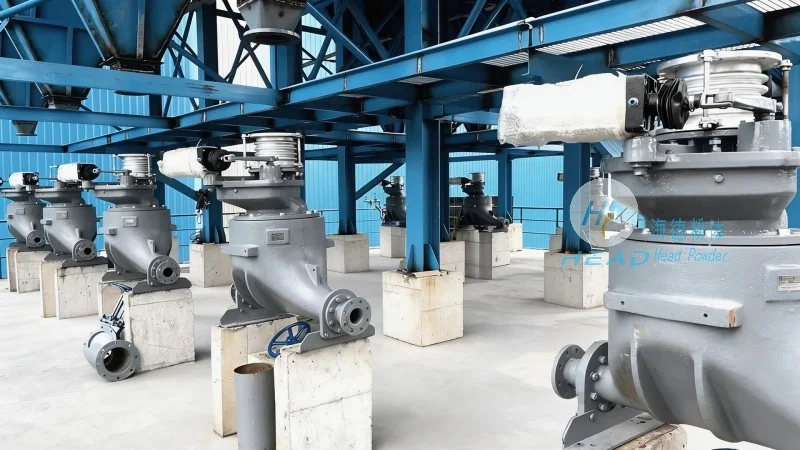
Material Properties Considerations
Calcium carbide dust removal ash is characterized by its fine particle size, abrasive nature, and potential chemical reactivity. These properties affect the choice of conveying system and components. For example, the abrasive nature of the ash may require the use of high-quality materials for the conveying line and components to prevent wear and tear. The fine particle size also influences the system’s design, as it may require additional filtration or separation equipment to prevent clogging and maintain consistent flow. HeadPowder’s expertise in material characterization allows for the selection of appropriate system configurations that address these challenges effectively.
System Efficiency and Energy Consumption
Efficiency is a critical factor in the operation of gas-pneumatic conveying systems for calcium carbide dust removal ash. Positive pressure systems typically offer higher conveying rates and are more energy-efficient for long-distance transport, while negative pressure systems may be more suitable for shorter distances with lower material volumes. The choice of system depends on the specific application requirements, such as the distance between the source and destination, the volume of material to be transported, and the available energy resources. HeadPowder’s engineering team evaluates these factors to design systems that balance efficiency with cost-effectiveness, ensuring optimal performance for each client’s needs.




