When it comes to handling and transporting fibrous materials, selecting the right conveying method is crucial for efficiency, cost-effectiveness, and material integrity. Fibre conveying, especially in industries like textiles and chemical processing, demands solutions that can manage the unique challenges posed by these materials. This article explores the various fibre conveying methods available and highlights the advantages of pneumatic conveying solutions offered by Shandong HeadPowder Engineering Co., Ltd., commonly known as HeadPowder.
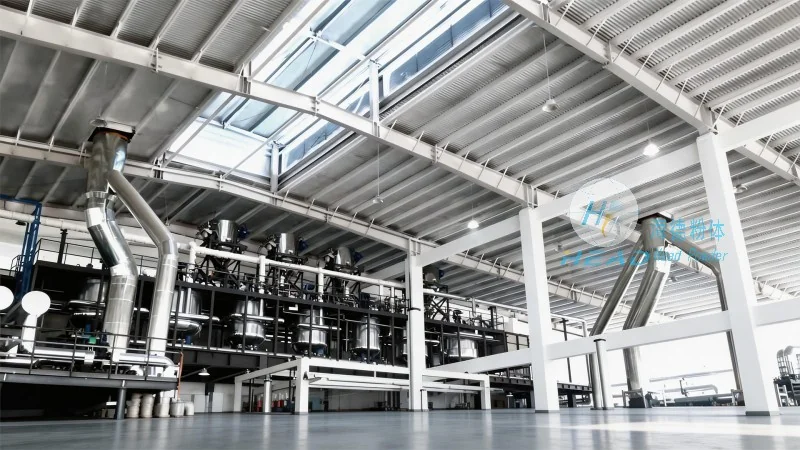
Understanding Fibre Conveying Methods
Fibre conveying involves the movement of fibrous materials from one location to another, often within industrial settings. The primary goal is to achieve this movement with minimal damage to the fibres and at an optimal operational cost. Several methods are employed, each with its own set of advantages and limitations. The most common fibre conveying methods include mechanical conveying, pneumatic conveying, and hybrid systems.
Key Fibre Conveying Methods
1. **Mechanical Conveying**: This method utilizes equipment such as belt conveyors, screw conveyors, and bucket elevators to transport fibres. Mechanical conveying is generally suitable for bulk materials and can handle a wide range of particle sizes. However, it may not be ideal for delicate fibres as it can cause abrasion and breakage during the conveying process. Additionally, mechanical systems often require more maintenance and can be less flexible in terms of layout changes.
2. **Pneumatic Conveying**: Pneumatic conveying uses air or other gases to transport fibres through a pipeline system. This method is particularly effective for handling fine or dusty fibres, as it can minimize dust generation and prevent material contamination. Pneumatic systems are also capable of handling long distances and multiple transfer points, making them versatile for complex material flow requirements. The technology behind pneumatic conveying has evolved significantly, offering various configurations like pressure and vacuum systems to suit different operational needs.
3. **Hybrid Conveying Systems**: Some applications may combine mechanical and pneumatic conveying to leverage the strengths of both methods. For instance, a mechanical conveyor might be used to pre-convey bulk fibres into a pneumatic system for final transport. This hybrid approach can optimize material handling by addressing specific challenges, such as overcoming vertical lifts with mechanical systems while using pneumatic transport for horizontal or long-distance movement.
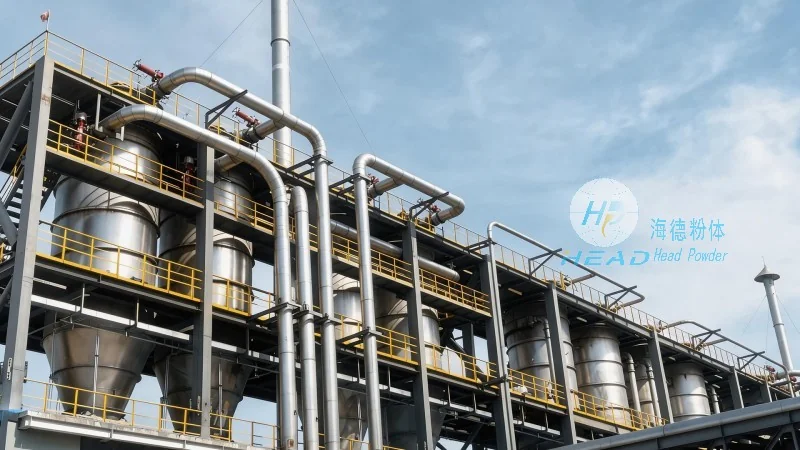
Advantages of Pneumatic Conveying for Fibres
Among the various fibre conveying methods, pneumatic conveying stands out for its ability to handle fibrous materials with precision and care. The key advantages of pneumatic conveying for fibres include:
- **Minimal Material Damage**: Pneumatic systems use air to move fibres, reducing the risk of abrasion and breakage compared to mechanical methods. This is especially important for high-value fibres where maintaining material integrity is critical.
- **Dust Control and Contamination Prevention**: By enclosing the material in a sealed pipeline, pneumatic conveying effectively controls dust emissions and prevents cross-contamination with other materials or the environment.
- **Versatility and Flexibility**: Pneumatic systems can be easily reconfigured to accommodate changes in production volume or layout. They can handle both short and long distances, making them suitable for various industrial applications.
- **Energy Efficiency**: Modern pneumatic conveying solutions are designed to be energy-efficient, with optimized air flow and pressure control that reduce operational costs over time.
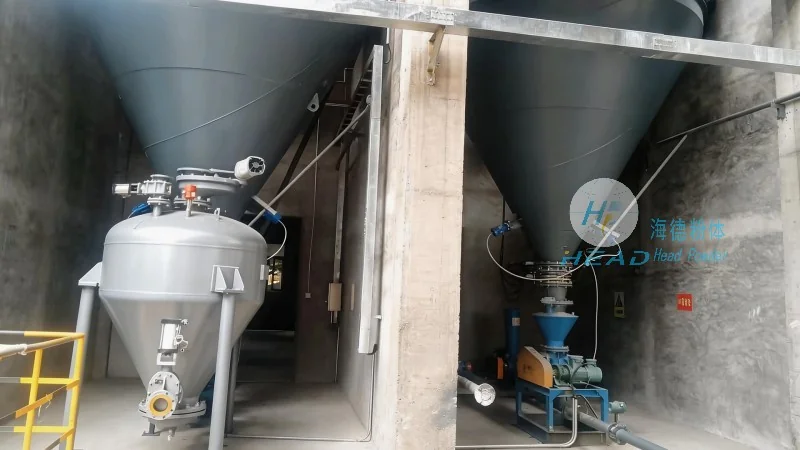
HeadPowder's Pneumatic Conveying Solutions
Shandong HeadPowder Engineering Co., Ltd., operating under the brand name HeadPowder, specializes in providing advanced pneumatic conveying solutions tailored to the needs of fibre processing industries. The company's expertise lies in designing and manufacturing custom conveying systems that ensure efficient and safe transport of fibres while maintaining material quality.
HeadPowder's pneumatic conveying systems are engineered to handle a wide range of fibres, including synthetic and natural fibres, with varying properties such as length, diameter, and moisture content. The company utilizes state-of-the-art technology and materials to construct durable and reliable conveying pipelines, valves, and control systems that can withstand the demands of continuous operation.
One of the core strengths of HeadPowder is its ability to offer customized solutions. Each project is approached with a thorough understanding of the client's specific requirements, including the type of fibre, production capacity, and operational environment. This ensures that the final pneumatic conveying system is optimized for performance, efficiency, and longevity.
Conclusion
Choosing the right fibre conveying method is essential for optimizing industrial processes and maintaining material quality. While mechanical conveying has its place, pneumatic conveying offers significant advantages for handling fibrous materials, particularly in terms of material protection, dust control, and operational flexibility. Shandong HeadPowder Engineering Co., Ltd. provides comprehensive pneumatic conveying solutions that address these needs, helping industries achieve efficient and reliable fibre transport. By leveraging their expertise and customized approach, HeadPowder ensures that clients receive systems that meet their specific requirements and contribute to overall operational success.




