The lithium-ion battery nanomaterial powder handling system is a specialized equipment designed for the efficient and precise transportation of nanomaterial powders, which are crucial components in the production of lithium-ion batteries. This system is engineered to meet the stringent requirements of the battery manufacturing industry, ensuring high purity, minimal contamination, and consistent particle size distribution. As a key piece of equipment in the battery production line, it plays a vital role in maintaining the quality and performance of the final battery products.
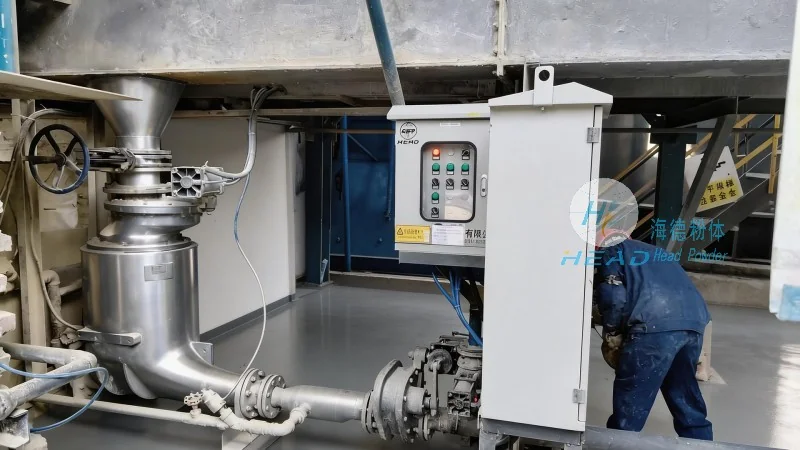
Key Components and Structure of the Powder Handling System
The system comprises several core components that work in tandem to achieve optimal powder handling performance. The primary components include a hopper for material storage, a feeding mechanism (such as a screw feeder or rotary valve) to control the flow rate, a conveying system (like a pneumatic or mechanical conveyor), and a dust collection and filtration unit to ensure environmental safety and material integrity. The hopper is typically made of high-quality stainless steel or other corrosion-resistant materials to prevent material degradation and contamination. The feeding mechanism is designed with precision to regulate the flow of nanomaterials, which are often sensitive to handling conditions. The conveying system may vary depending on the specific material properties and production scale, with options including pneumatic conveying for fine powders or mechanical conveying for bulk materials. The dust collection system is integrated to capture and filter any airborne particles, ensuring compliance with environmental regulations and maintaining a clean working environment.
Working Principle and Operational Process
The operational process of the lithium-ion battery nanomaterial powder handling system begins with the loading of raw nanomaterial powders into the hopper. The feeding mechanism then controls the discharge of the material from the hopper into the conveying system. For pneumatic conveying systems, compressed air is used to transport the powder through a network of pipes, while mechanical conveyors use rotating components to move the material. The system is equipped with sensors and control panels to monitor and adjust the flow rate, pressure, and other parameters in real-time. This ensures that the powder is transported at a consistent rate, minimizing the risk of clogging or uneven distribution. The dust collection unit works in conjunction with the conveying system to capture any particles that escape, preventing contamination of the surrounding environment and ensuring the purity of the material being handled. The entire system is designed to operate with high efficiency and reliability, minimizing downtime and maximizing production throughput.
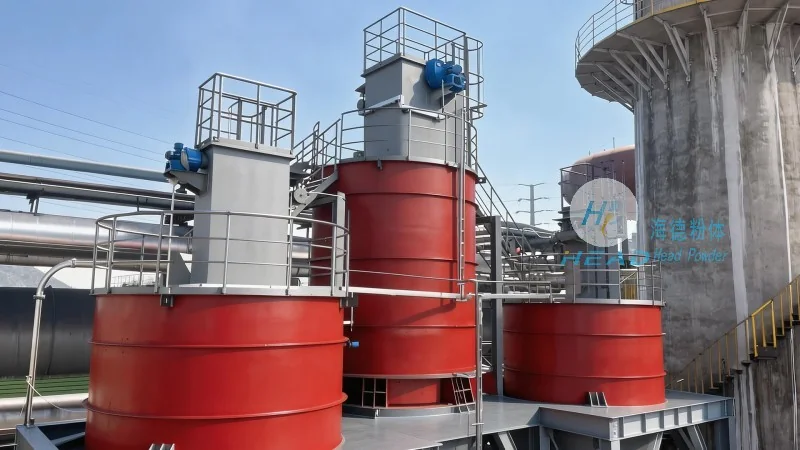
Advantages and Benefits of the System
The lithium-ion battery nanomaterial powder handling system offers several advantages that contribute to improved production efficiency and product quality. One of the key benefits is the ability to handle nanomaterials with high precision, ensuring that the particle size distribution remains consistent, which is critical for the performance of lithium-ion batteries. The system's design minimizes material contamination, which is essential for maintaining the high purity required in battery manufacturing. Additionally, the system is equipped with advanced control systems that allow for real-time monitoring and adjustment, enhancing operational flexibility and reducing the risk of errors. The dust collection and filtration units also contribute to a safer working environment, reducing the health risks associated with handling fine powders. Overall, the system is a cost-effective solution that enhances the productivity and quality of the battery production process.
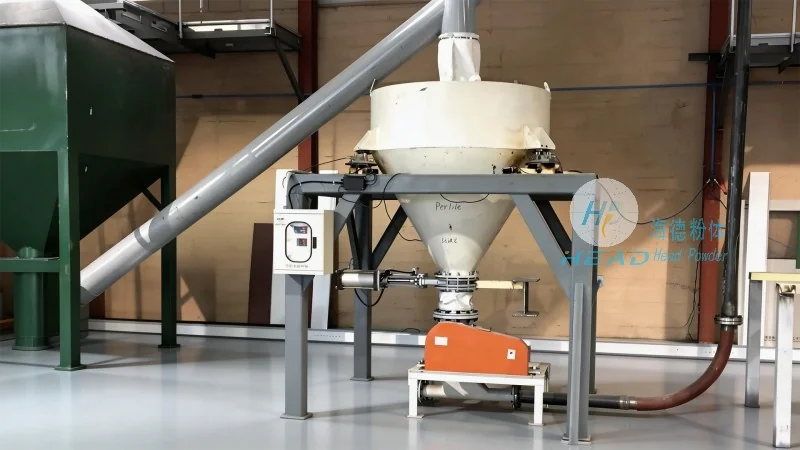
Application in Lithium-Ion Battery Manufacturing
The lithium-ion battery nanomaterial powder handling system is widely used in the production of various lithium-ion battery components, including cathode materials, anode materials, and electrolyte additives. The system's ability to handle nanomaterials with high precision and minimal contamination makes it ideal for these applications, where the quality of the raw materials directly impacts the performance and lifespan of the final battery. In the production of cathode materials, for example, the system ensures that the active nanomaterials are transported efficiently to the mixing and coating stages, maintaining their purity and particle size. Similarly, in the production of anode materials, the system helps to deliver the carbon-based nanomaterials with consistent quality, which is crucial for the battery's energy storage capacity. The system's adaptability allows it to be integrated into different production lines, making it a versatile solution for various battery manufacturing processes.
About Shandong HeadPowder Engineering Co., Ltd.
Shandong HeadPowder Engineering Co., Ltd., commonly known as headpowder, is a leading manufacturer of specialized equipment for powder handling and processing. With a strong focus on innovation and quality, the company has established itself as a trusted partner in the battery and other industries that require precise powder handling solutions. Headpowder's headquarters is located in Shandong, China, where the company's research and development team continuously works to improve its product offerings. The company's commitment to customer satisfaction and product excellence has earned it a reputation for delivering reliable and efficient equipment that meets the highest industry standards.




