For industries dealing with fine powders, efficient and reliable conveying systems are crucial for maintaining production efficiency and product quality. This article provides an overview of fine powder conveying systems, focusing on their structural design and operational principles, as presented by Shandong HeadPowder Engineering Co., Ltd., a leading provider in the field.
Understanding Fine Powder Conveying Systems
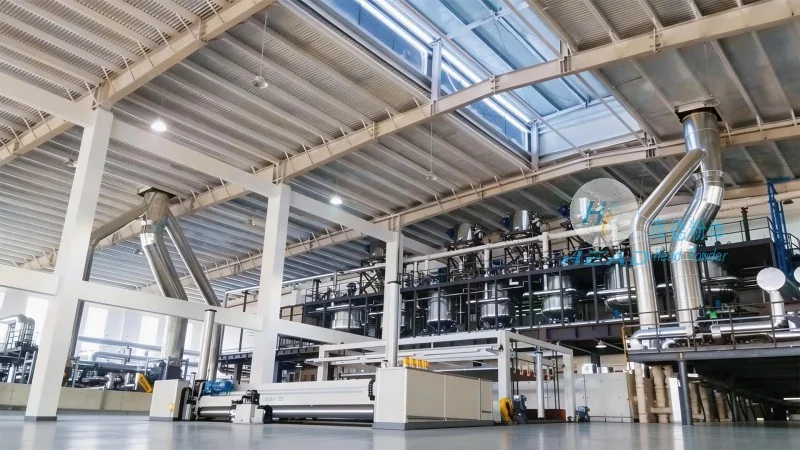
Fine powder conveying systems are engineered to handle powders with particle sizes typically ranging from a few microns to several hundred microns. These systems are essential in sectors such as pharmaceuticals, food processing, chemical manufacturing, and mineral processing, where the consistent and hygienic transport of powders is critical. The design of these systems must address challenges like particle segregation, dust generation, and material handling at low velocities to prevent product degradation.
Key Components and Structural Design
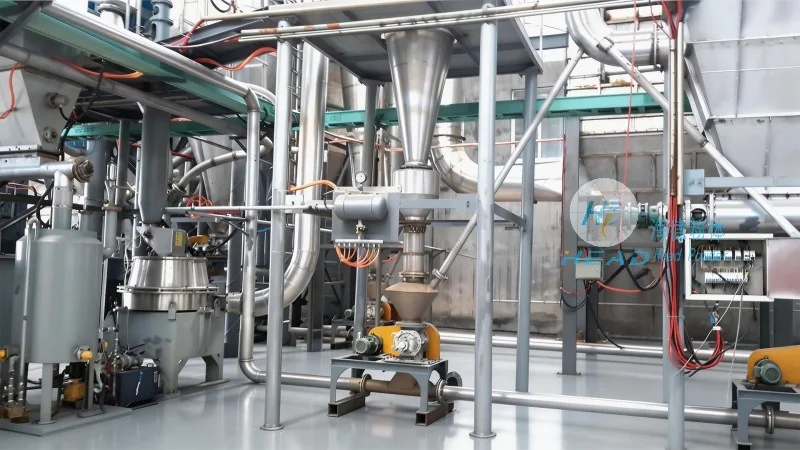
The core components of a fine powder conveying system include the hopper, feeder, conveyor pipe, and control unit. The hopper is designed to store and feed the powder into the system, often equipped with a discharge valve to regulate the flow. The feeder, usually a rotary valve or a star feeder, ensures a controlled and uniform feed rate, preventing surges or blockages. The conveyor pipe, often made of stainless steel or other corrosion-resistant materials, is designed to minimize friction and prevent material buildup. The control unit manages the system's operation, including speed, pressure, and flow rate, ensuring optimal performance.
Working Principles of Conveying Mechanisms
There are several mechanisms used in fine powder conveying systems, each with its own advantages and applications. The most common types include pneumatic conveying (air-assisted), mechanical conveying (e.g., screw conveyors, belt conveyors), and hybrid systems. Pneumatic conveying uses compressed air to transport powders through pipes, suitable for low to medium particle sizes and distances. Mechanical conveyors rely on mechanical motion to move the material, offering high capacity and low energy consumption for bulk materials. The choice of mechanism depends on factors such as material properties, required conveying distance, and environmental considerations.
Advantages of Fine Powder Conveying Systems
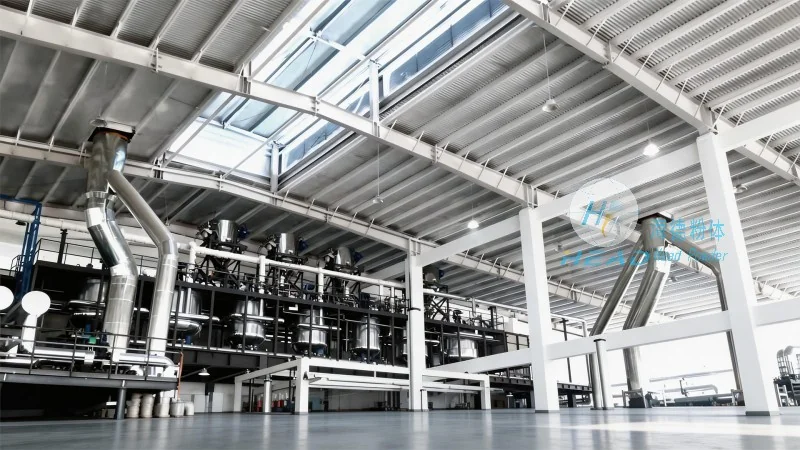
Efficient fine powder conveying systems offer several benefits to industrial operations. They enhance process control by providing consistent material flow, which is vital for maintaining product uniformity and quality. These systems also reduce labor costs by automating the material handling process, minimizing the risk of human error and exposure to hazardous materials. Additionally, they improve safety by containing dust and preventing material spillage, which is crucial in industries where powder handling can pose health risks. The use of advanced materials and design in these systems ensures durability and long-term reliability, reducing maintenance and replacement costs.
Applications in Various Industries
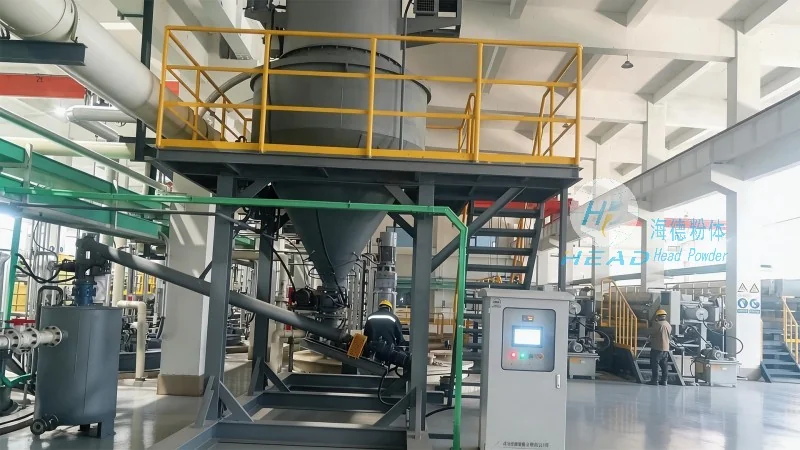
Fine powder conveying systems are widely used across multiple industries due to their adaptability and efficiency. In the pharmaceutical industry, these systems are used to transport active pharmaceutical ingredients (APIs) and excipients, ensuring precise dosing and maintaining product sterility. In food processing, they handle ingredients like flour, sugar, and spices, maintaining product integrity and preventing contamination. In chemical manufacturing, they convey raw materials and intermediates, supporting continuous production processes. In mineral processing, they transport fine ores and concentrates, optimizing extraction and processing efficiency. The versatility of these systems makes them indispensable in modern industrial operations.
Conclusion and Company Overview
As a leading provider of fine powder conveying systems, Shandong HeadPowder Engineering Co., Ltd. specializes in designing and manufacturing solutions tailored to the specific needs of various industries. With a focus on innovation and quality, the company ensures that its systems meet the highest standards of performance, safety, and reliability. By leveraging advanced engineering principles and materials, HeadPowder delivers efficient and cost-effective solutions that enhance operational efficiency and product quality. Based in Shandong, China, the company serves clients globally, providing comprehensive support from design and installation to maintenance and troubleshooting. For industries seeking reliable fine powder handling solutions, HeadPowder is a trusted partner in optimizing their material transport processes.




