Introduction to Phosphate Powder Pneumatic Conveying Equipment: Structure and Working Principle
Release time:2026-09-21 21:01:49
name of the company:Shandong Headpowder Engineering Co., Ltd.
telephone:156-6277-7102
contacts:Zhang manager
Phosphate powder, a critical component in the production of fertilizers and other industrial applications, demands efficient and reliable handling solutions. The pneumatic conveying equipment designed specifically for phosphate powder is a sophisticated system that ensures the smooth transport of this fine material. This article provides a comprehensive overview of the equipment, its structural design, and the operational principles that enable its effective use in industrial settings.
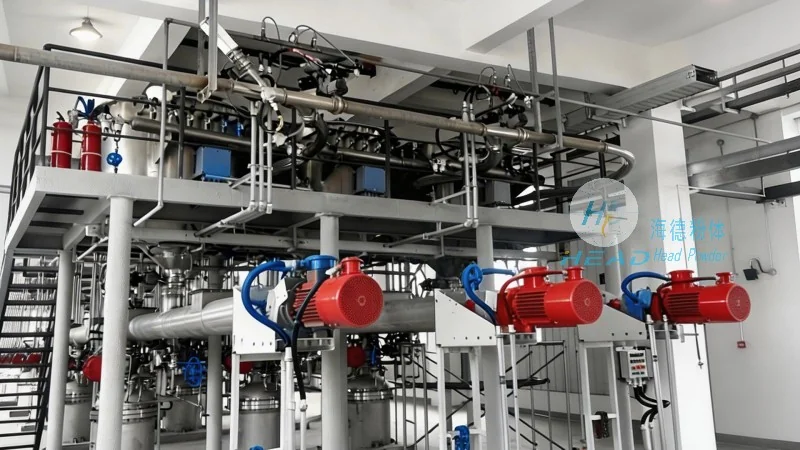
About Shandong HeadPowder Engineering Co., Ltd.
HeadPowder, a prominent manufacturer in the pneumatic conveying industry, specializes in developing and manufacturing high-performance systems for handling various powders, including phosphate. With a strong focus on innovation and customer-centric solutions, the company has built a reputation for delivering equipment that meets the unique requirements of clients. HeadPowder's team of engineers and technicians leverages advanced technology and extensive industry experience to design equipment that is durable, efficient, and tailored to the specific needs of the fertilizer and chemical sectors.
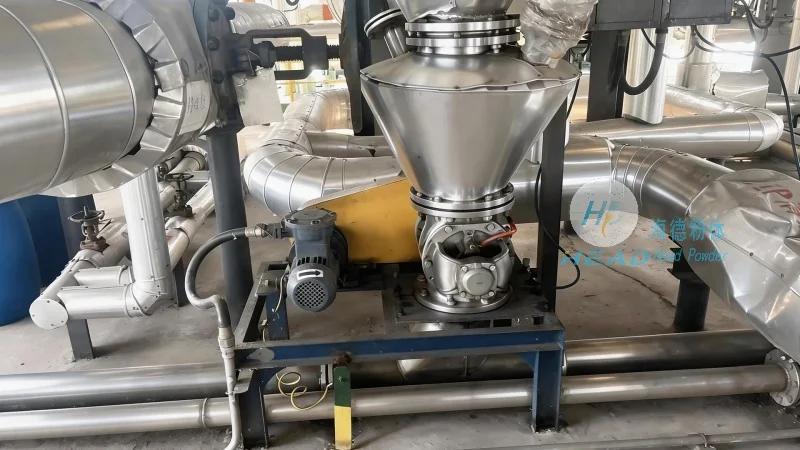
Structural Components of the Phosphate Powder Pneumatic Conveying System
The pneumatic conveying system for phosphate powder comprises several essential components that work in concert to facilitate material transport. The primary components include the material hopper, which serves as the storage and feeding unit; the air compressor or blower, responsible for generating the necessary air pressure to move the powder; the pipeline network, which transports the air-powder mixture from the source to the destination; and the control system, which regulates the operation and ensures optimal performance. Each component is engineered to handle the characteristics of phosphate powder, such as its fine particle size, low bulk density, and potential for dust generation. The hopper is typically equipped with a feeding mechanism, such as a rotary valve or screw feeder, to control the flow of powder into the system. The air compressor provides the required pressure, often ranging from 0.5 to 2 bar, depending on the distance and material properties. The pipeline is usually made of stainless steel or other corrosion-resistant materials to prevent contamination and ensure longevity. The control system may include sensors and valves to monitor and adjust the air flow and pressure, maintaining consistent conveying rates.
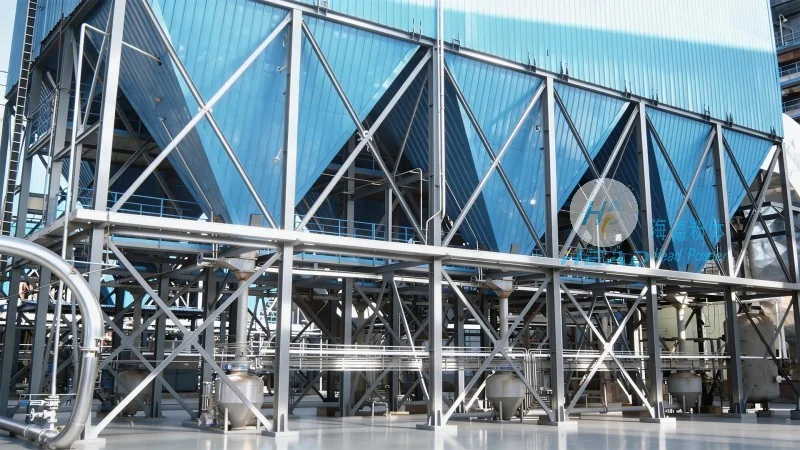
Working Principle of the Pneumatic Conveying Process
The operation of the phosphate powder pneumatic conveying equipment is based on the principle of pneumatic transport, where air is used to move the material through a pipeline. The process begins with the powder being discharged from the hopper into the pipeline. The air compressor then generates a flow of air, which is introduced into the pipeline at a specific point. As the air flows through the pipeline, it creates a low-pressure zone that draws the powder particles into the air stream. The mixture of air and powder is then conveyed through the pipeline to the receiving vessel or processing unit. The control system continuously monitors the pressure and flow rates, adjusting the air supply to maintain a stable conveying rate. The velocity of the air in the pipeline is critical; it must be sufficient to lift and transport the powder particles without causing excessive wear or degradation. The system typically operates in either positive or negative pressure modes, depending on the application and material characteristics. Positive pressure systems are commonly used for short-distance transport, while negative pressure systems are preferred for longer distances or when handling dusty materials.




