For industrial applications requiring efficient and reliable transport of activated carbon materials, the pneumatic conveying machine offers a sophisticated solution. This equipment is specifically designed to handle the unique characteristics of activated carbon, ensuring minimal degradation and optimal performance during material transfer. The operation process and working principle of such a machine are critical to understanding its effectiveness in various industrial settings.
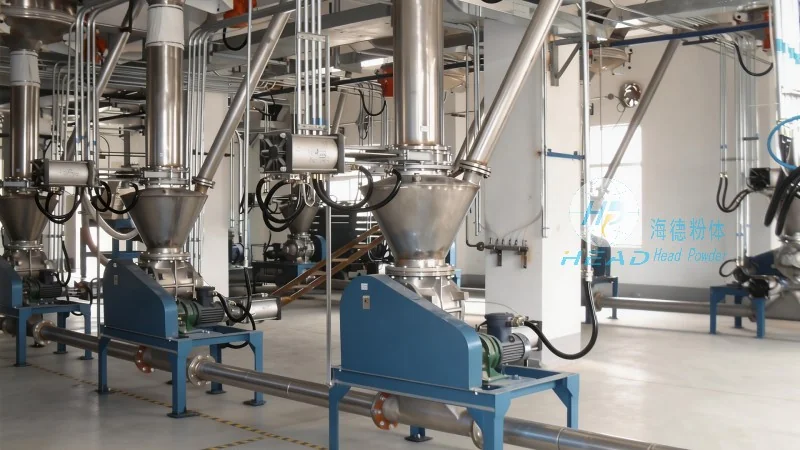
Overview of the Pneumatic Conveying System
The activated carbon material pneumatic conveying machine operates by utilizing a pressurized air system to move bulk materials through a pipeline network. This method eliminates the need for mechanical components like belts or buckets, reducing maintenance requirements and operational costs. The system typically consists of a hopper for material storage, a blower or compressor to generate the necessary air pressure, and a pipeline system that transports the material from the source to the destination. The design is tailored to handle the abrasive and porous nature of activated carbon, ensuring that the material is conveyed without excessive wear or degradation.
Key Components and Their Functions
Several key components work in tandem to ensure the smooth operation of the pneumatic conveying machine. The hopper serves as the primary storage vessel, holding the activated carbon material and providing a consistent feed to the system. The feeder, often a rotary valve or screw feeder, regulates the flow of material into the pipeline, preventing blockages and maintaining a steady flow rate. The blower or compressor generates the required air pressure, typically ranging from low to high pressure depending on the distance and volume of material to be conveyed. The pipeline system, made of durable materials such as stainless steel or plastic, is designed to withstand the abrasive nature of activated carbon and maintain the integrity of the material during transport. Additionally, the receiver or discharge hopper at the end of the pipeline collects the conveyed material, completing the transfer process.
Operation Process: Step-by-Step Explanation
The operation of the activated carbon material pneumatic conveying machine follows a systematic process. Initially, the activated carbon is loaded into the hopper. The feeder then regulates the material flow, ensuring a consistent rate of discharge into the pipeline. The blower or compressor starts, generating the necessary air pressure that propels the material through the pipeline. As the material travels, it is suspended in the air stream, moving efficiently to the receiver. The air and material mixture is then separated at the receiver, with the activated carbon collected and the air either recirculated or vented. This process is continuous, allowing for uninterrupted material transfer over long distances and varying heights.
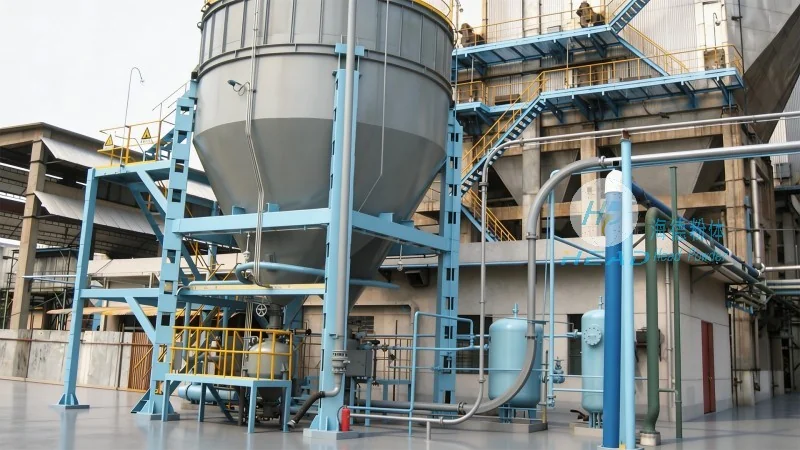
Working Principle: The Physics Behind Pneumatic Conveying
The working principle of the activated carbon material pneumatic conveying machine is based on the fundamental physics of fluid dynamics and particle suspension. When air is introduced into the pipeline at a sufficient velocity, it creates a drag force that lifts and transports the solid particles. The key is achieving a velocity that exceeds the terminal velocity of the activated carbon particles, ensuring they remain suspended in the air stream. The pressure drop along the pipeline is managed by the blower's capacity and the system's design, preventing excessive energy consumption and maintaining efficient transport. The system's efficiency is also influenced by factors such as the particle size distribution, moisture content, and the air-to-material ratio, all of which are optimized to achieve the best possible conveying performance.
Advantages of Using Pneumatic Conveying for Activated Carbon
Employing a pneumatic conveying machine for activated carbon material transport offers several advantages over traditional methods. Firstly, it provides a dust-free and clean transfer process, which is crucial for maintaining product quality and safety in industrial environments. The enclosed system prevents contamination and exposure to airborne particles, enhancing workplace safety. Secondly, the equipment is highly efficient in terms of energy consumption, especially when compared to mechanical conveying systems that require constant mechanical motion. The absence of moving parts reduces maintenance costs and downtime, leading to higher operational reliability. Additionally, the system can handle materials over long distances and varying elevations without the need for intermediate storage or transfer points, streamlining the overall material handling process.
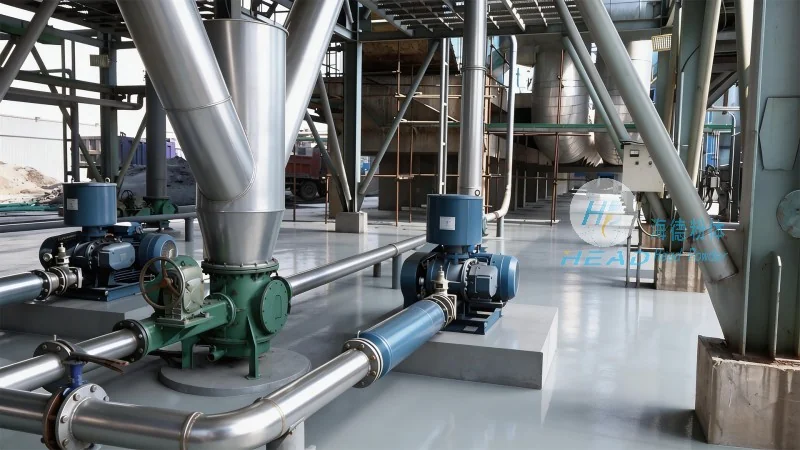
Applications and Industries
The activated carbon material pneumatic conveying machine is widely used in various industries that rely on activated carbon for filtration, adsorption, and purification processes. These include water treatment facilities, where activated carbon is used to remove contaminants from drinking water and industrial wastewater. The chemical industry also utilizes this equipment for transporting activated carbon used in chemical reactions and purification steps. Additionally, the pharmaceutical and food processing industries benefit from the clean and efficient transfer of activated carbon, ensuring product purity and compliance with regulatory standards. The versatility of the system allows it to be adapted to different scales, from small-scale laboratory applications to large-scale industrial operations.
Maintenance and Operational Considerations
To ensure the long-term performance and reliability of the activated carbon material pneumatic conveying machine, regular maintenance is essential. The hopper and feeder components should be inspected for wear and tear, particularly in areas where the activated carbon comes into contact with metal surfaces. The blower or compressor should be checked for proper air pressure and flow rates, as any deviations can affect the conveying efficiency. The pipeline system should be inspected for blockages or leaks, which can lead to system inefficiencies or damage. Additionally, the air filtration system should be maintained to prevent dust accumulation and ensure clean air recirculation. Proper operational procedures, such as starting the system with the feeder engaged and monitoring the pressure and flow rates, help prevent system failures and extend the equipment's lifespan. By adhering to these maintenance and operational guidelines, the equipment can operate efficiently and reliably, providing consistent performance for years.
Conclusion
The activated carbon material pneumatic conveying machine is a highly effective and efficient solution for transporting activated carbon in industrial applications. Its operation process, based on pneumatic principles, ensures minimal material degradation and optimal performance. The system's design, tailored to the characteristics of activated carbon, provides a reliable and cost-effective method for material transfer. With proper maintenance and operational considerations, this equipment can meet the demands of various industries, contributing to improved productivity and safety in material handling processes. As a leading provider in this field, Shandong HeadPowder Engineering Co., Ltd. specializes in manufacturing and supplying high-quality pneumatic conveying machines that meet the specific needs of industrial clients, ensuring superior performance and customer satisfaction.




