Understanding the operation process and working principle of potassium hydroxide material handling is crucial for industries that rely on this chemical for various applications. Potassium hydroxide (KOH) is a strong base widely used in chemical manufacturing, pharmaceuticals, and industrial processes. Efficient material handling ensures safety, productivity, and compliance with industry standards. This article provides an in-depth look at the operational aspects and underlying principles of KOH material handling systems.
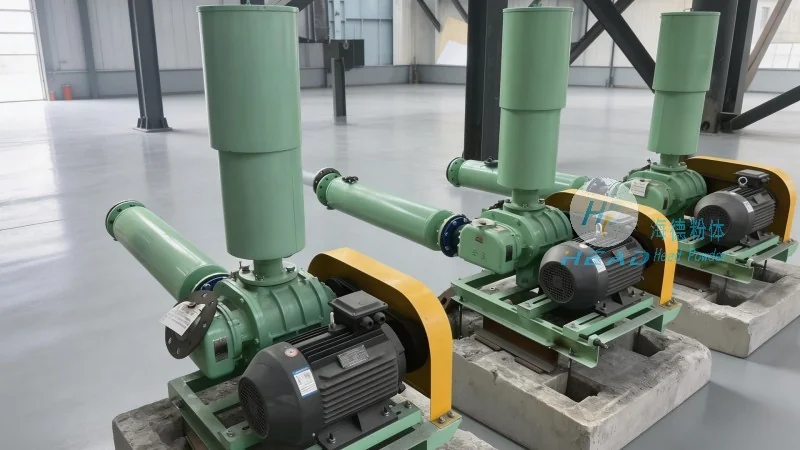
About Shandong HeadPowder Engineering Co., Ltd.
Shandong HeadPowder Engineering Co., Ltd., commonly known as HeadPowder, is a leading provider of engineering solutions for chemical material handling. With a strong focus on innovation and safety, the company specializes in designing and implementing systems for handling hazardous and high-value materials like potassium hydroxide. HeadPowder's expertise lies in creating customized solutions that meet the specific needs of clients, ensuring reliable and efficient material transport while adhering to strict safety protocols.
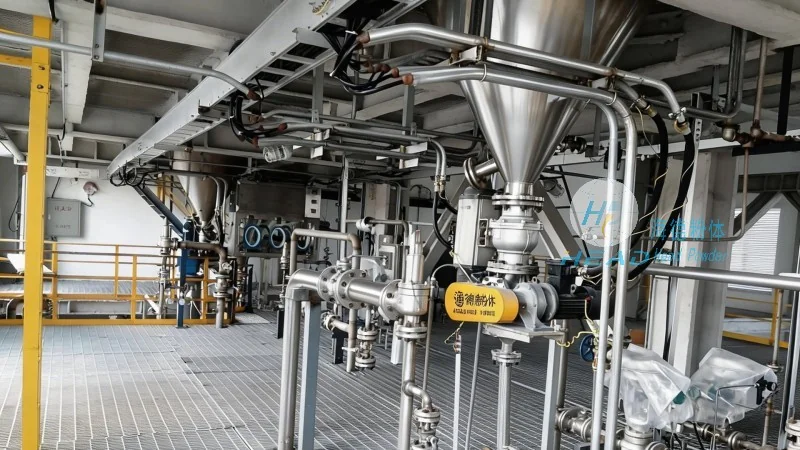
Key Components and Operation Process of Potassium Hydroxide Material Handling
The operation process of potassium hydroxide material handling involves several critical steps and components. The system typically starts with the storage of KOH in specialized containers, such as bulk tanks or silos, designed to withstand the chemical's corrosive properties. From there, the material is transferred through a network of pipes, often using pumps or conveyor systems, to the processing or packaging areas. The entire process is monitored closely to maintain consistent flow rates and pressure levels, ensuring that the material is handled safely and efficiently.
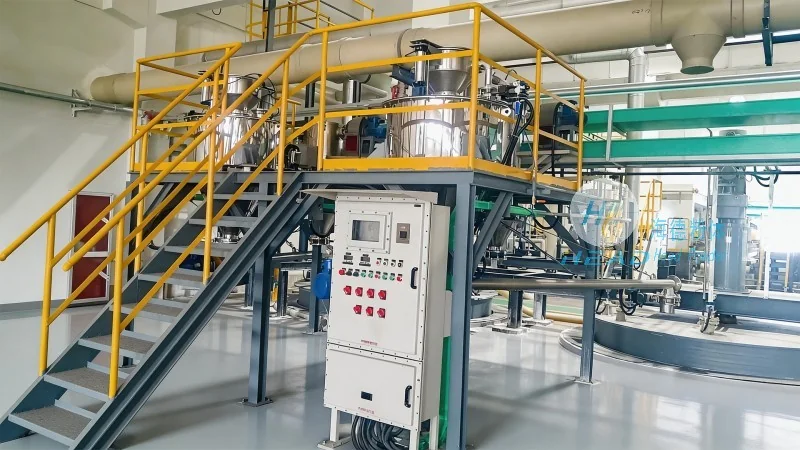
During the transport, the system may incorporate features like temperature control and pressure regulation to prevent any potential hazards. For example, KOH can be reactive with certain materials, and proper sealing and insulation are essential to avoid leaks or spills. The use of corrosion-resistant materials, such as stainless steel, in the piping and equipment is a standard practice to extend the lifespan of the system and maintain product integrity.
Working Principle of Potassium Hydroxide Material Handling Systems
The working principle of KOH material handling systems is based on the principles of fluid dynamics and material science. The system operates by converting the solid or liquid KOH into a fluid state, which can then be pumped or conveyed through the system. The pumps used are typically positive displacement or centrifugal types, chosen based on the viscosity and flow rate requirements. The entire system is designed to maintain a controlled environment, with temperature and pressure sensors to detect any deviations and trigger safety measures if necessary.
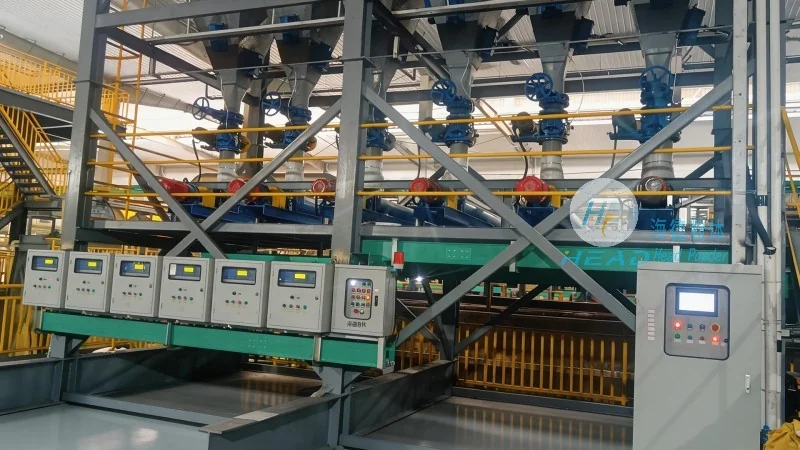
Another critical aspect is the control system, which manages the flow, pressure, and temperature of the KOH. Modern systems often incorporate automation and digital controls, allowing for real-time monitoring and adjustments. This not only enhances efficiency but also improves safety by reducing human error. The working principle also emphasizes the importance of proper maintenance and regular inspections to ensure the system operates as intended and to prevent any potential failures.




