Desulfurizer is a critical component in industrial processes, particularly in power plants and chemical facilities, where it plays a vital role in reducing sulfur dioxide emissions. The efficient and reliable transport of desulfurizer is essential to maintain the smooth operation of these systems. This article explores common desulfurizer delivery methods and highlights the advantages of HeadPowder's pneumatic conveying technology, a leading solution in the industry.
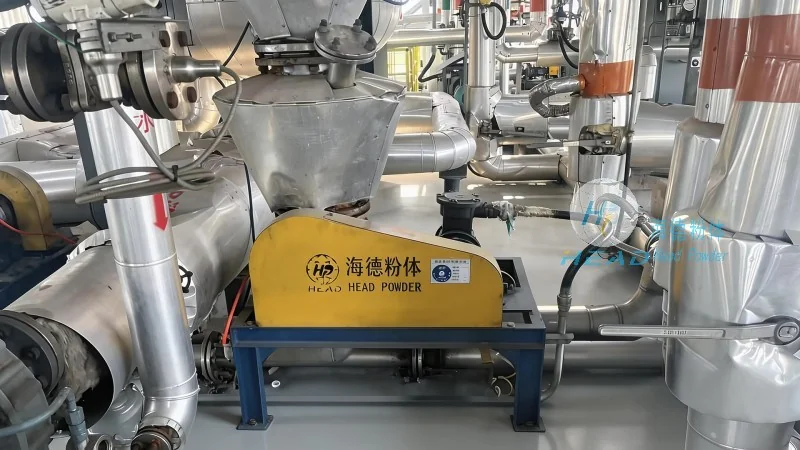
Introduction to Desulfurizer and Its Transport Importance
Desulfurizer, typically in the form of lime or limestone slurry, is used in flue gas desulfurization (FGD) systems to neutralize sulfur dioxide (SO₂) from combustion gases. The effectiveness of the desulfurization process heavily depends on the consistent and controlled delivery of this reagent to the reaction area. Traditional methods of transporting desulfurizer, such as manual handling or mechanical conveyors, often face challenges like material degradation, uneven distribution, and operational inefficiencies. These issues can lead to reduced system performance and increased maintenance costs. Therefore, modern industrial applications increasingly rely on advanced transport technologies to ensure optimal desulfurizer delivery.
Common Desulfurizer Delivery Methods
Several methods are commonly employed for desulfurizer transport, each with its own set of advantages and limitations. The primary approaches include:
Pneumatic Conveying
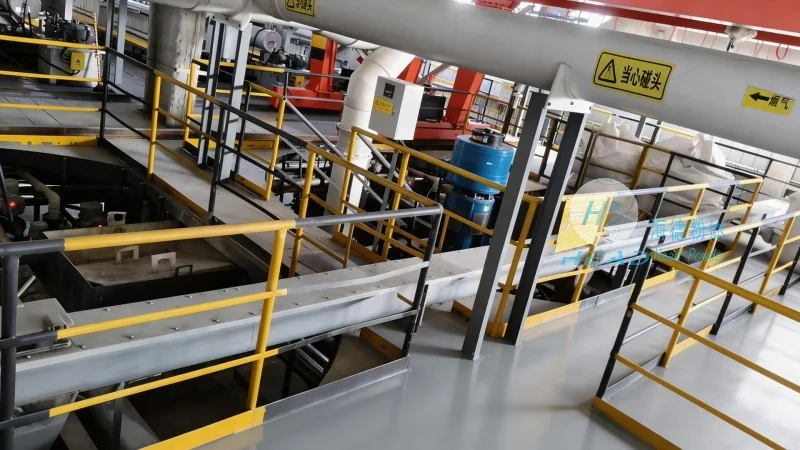
Pneumatic conveying is a widely used technique for transporting bulk materials, including desulfurizer, through a pipeline using air or other gases. This method offers several benefits, such as the ability to transport materials over long distances, the elimination of mechanical parts that come into direct contact with the material, and the reduction of dust exposure for operators. Pneumatic systems can be categorized into two main types: pressure and vacuum. Pressure systems use compressed air to push material through the pipeline, while vacuum systems use suction to draw material into the line.
Mechanical Conveyors
Mechanical conveyors, including belt conveyors, screw conveyors, and bucket elevators, are traditional methods for transporting desulfurizer. These systems rely on mechanical components to move material from one location to another. While effective for certain applications, mechanical conveyors may suffer from issues like material buildup, wear and tear on components, and the need for regular maintenance. Additionally, they may not be suitable for transporting fine or powdery desulfurizer without additional equipment to prevent dust generation.
Hydraulic Conveying
Hydraulic conveying uses water or other liquids to transport desulfurizer in a slurry form. This method is particularly useful for transporting wet or slurry-based desulfurizer, as it allows for the combination of material and liquid in a single pipeline. However, hydraulic systems require careful management of water levels and pressure to ensure efficient transport. They may also be less suitable for transporting dry or powdery desulfurizer, as the material may settle or clog the pipeline.
Manual Handling
Manual handling, such as using buckets or carts to transport desulfurizer, is still used in some small-scale or low-volume applications. However, this method is labor-intensive, time-consuming, and poses significant health and safety risks due to the handling of heavy or dusty materials. It is generally not recommended for large-scale industrial operations.
Advantages of HeadPowder's Pneumatic Conveying Technology
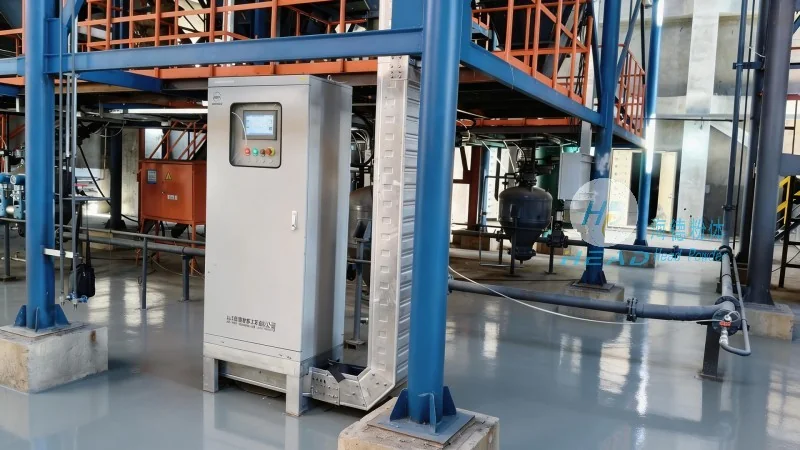
HeadPowder, a leading manufacturer of industrial conveying systems, specializes in providing advanced pneumatic conveying solutions for desulfurizer transport. Their technology is designed to address the challenges associated with traditional methods, offering several key advantages that enhance system performance and operational efficiency.
Efficient and Reliable Material Transport
HeadPowder's pneumatic conveying systems are engineered to ensure the efficient and reliable transport of desulfurizer over long distances. The use of high-pressure air or vacuum systems allows for consistent material flow, minimizing the risk of clogs or blockages in the pipeline. This reliability is crucial for maintaining the continuous operation of FGD systems, as any interruption in desulfurizer supply can lead to increased emissions and system downtime.
Reduced Material Degradation and Dust Exposure
Unlike mechanical conveyors, pneumatic systems do not involve direct contact between the material and mechanical parts, reducing the risk of material degradation due to friction or abrasion. Additionally, the enclosed pipeline system in pneumatic conveying minimizes dust exposure for operators, improving workplace safety and reducing the need for additional dust control measures.
Customizable and Scalable Solutions
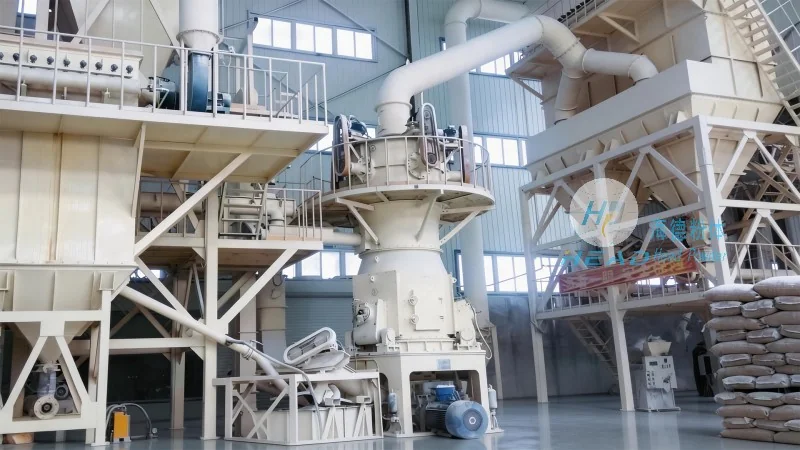
HeadPowder offers customizable pneumatic conveying solutions tailored to the specific needs of each industrial application. Whether the desulfurizer is in a dry or slurry form, or the system requires transport over short or long distances, HeadPowder can design a solution that meets the requirements. The systems are also scalable, allowing for easy expansion as the industrial facility grows or its desulfurizer demand increases.
Low Maintenance and Operational Costs
Pneumatic conveying systems have fewer moving parts compared to mechanical conveyors, resulting in lower maintenance requirements and reduced operational costs. The absence of belts, gears, or other mechanical components that require regular replacement or lubrication contributes to long-term cost savings. Additionally, the efficient material transport reduces energy consumption, further lowering the overall operational expenses.
Conclusion
Desulfurizer transport is a critical aspect of industrial operations, and the choice of delivery method significantly impacts system performance and efficiency. While traditional methods like mechanical conveyors and hydraulic systems have their uses, pneumatic conveying offers superior advantages in terms of reliability, safety, and cost-effectiveness. HeadPowder's pneumatic conveying technology stands out as a leading solution, providing customized and efficient transport solutions for desulfurizer in various industrial applications. By choosing HeadPowder's advanced pneumatic conveying systems, industrial facilities can ensure the smooth and reliable operation of their desulfurization processes, contributing to environmental compliance and operational excellence.




