

Operation Process and Working Principle of Metal Silicon Pneumatic Conveying Lines
For industrial applications involving the transport of metal silicon, pneumatic conveying systems offer efficient and reliable solutions. This article provides an in-depth exploration of the operation process and working principle of metal silicon pneumatic conveying lines, highlighting the key components, operational procedures, and technical aspects that ensure optimal performance. The information is presented by Shandong HeadPowder Engineering Co., Ltd., a leading provider in the field, with the company's headquarters located in Shandong, China.
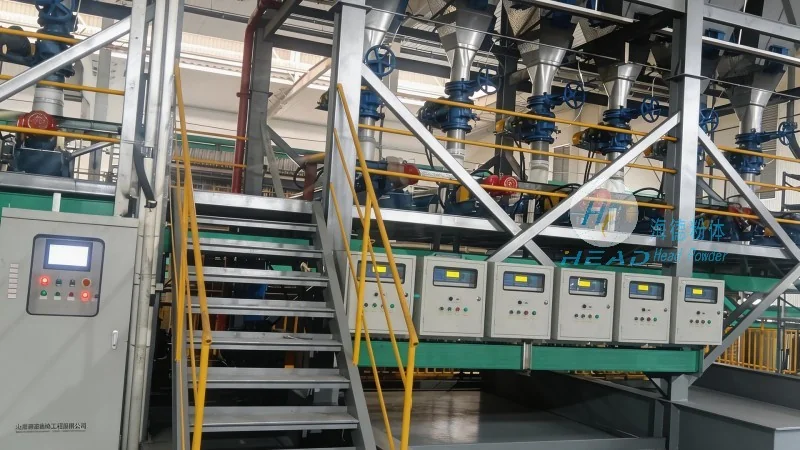
Company Profile: Shandong HeadPowder Engineering Co., Ltd.
Shandong HeadPowder Engineering Co., Ltd., commonly known as headpowder, is a professional manufacturer and supplier specializing in the design, development, and installation of pneumatic conveying systems. With a strong commitment to quality and innovation, the company has established itself as a trusted partner in the industrial sector. Headquartered in Shandong, China, the company leverages its extensive experience and advanced technology to deliver customized solutions tailored to the unique needs of clients across various industries.
Overview of Metal Silicon Pneumatic Conveying Systems
Metal silicon, a critical raw material in the production of silicon-based products, requires efficient handling and transportation to maintain product quality and operational efficiency. Pneumatic conveying lines provide a dust-free, low-maintenance method for moving metal silicon from storage to processing units. These systems are designed to handle the specific properties of metal silicon, such as its particle size, density, and flow characteristics, ensuring smooth and continuous operation.
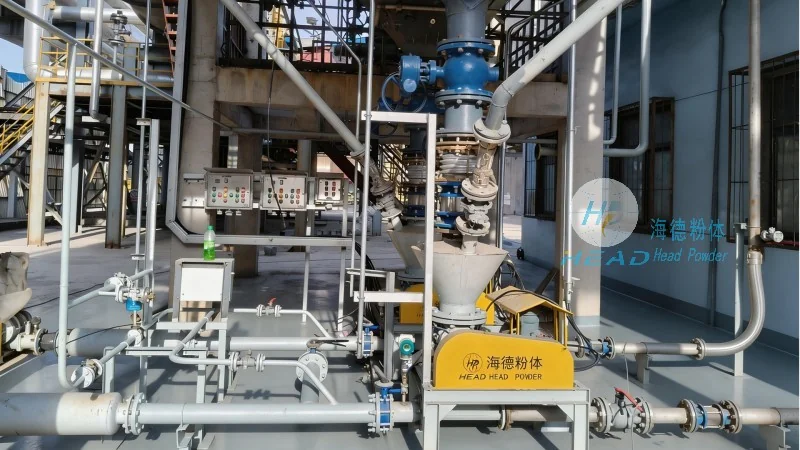
Key Components of the Pneumatic Conveying Line
The metal silicon pneumatic conveying line typically consists of several essential components that work in tandem to facilitate material transport. These include the hopper for material storage, the air compressor or blower to generate the necessary airflow, the conveying pipes to transport the material, the control valves to regulate airflow and pressure, and the dust collection system to ensure environmental compliance. Each component plays a crucial role in the overall functionality of the system.
Working Principle of the Pneumatic Conveying Process
The operation of the metal silicon pneumatic conveying line is based on the principle of air suspension, where the material is lifted and transported through the pipeline by the force of compressed air. The process begins with the material being fed from the hopper into the conveying line. As the air compressor generates high-pressure air, it is introduced into the system, creating a flow that lifts the metal silicon particles. The air and material mixture travels through the pipes, with the metal silicon particles suspended in the air stream. At the receiving end, the material is separated from the air, typically through a cyclone separator or a filter, and collected in the target container.
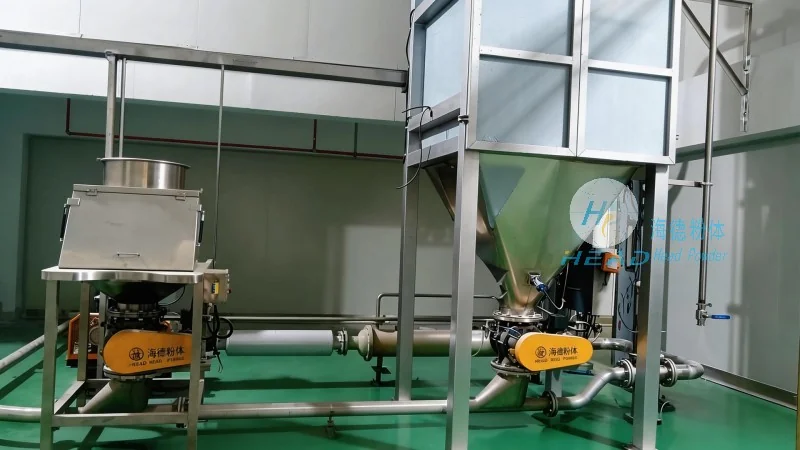
Step-by-Step Operation Process
The operation of the metal silicon pneumatic conveying line involves a series of controlled steps to ensure efficient material transport. The process starts with the loading of metal silicon into the hopper. The control system then activates the air compressor, which starts delivering compressed air into the conveying line. The material is then released from the hopper into the system, where it is carried by the air flow. The system monitors the pressure and flow rates to maintain optimal conditions. As the material reaches the destination, the air flow is adjusted to allow for proper separation and collection. The entire process is automated to minimize human intervention and ensure consistent performance.
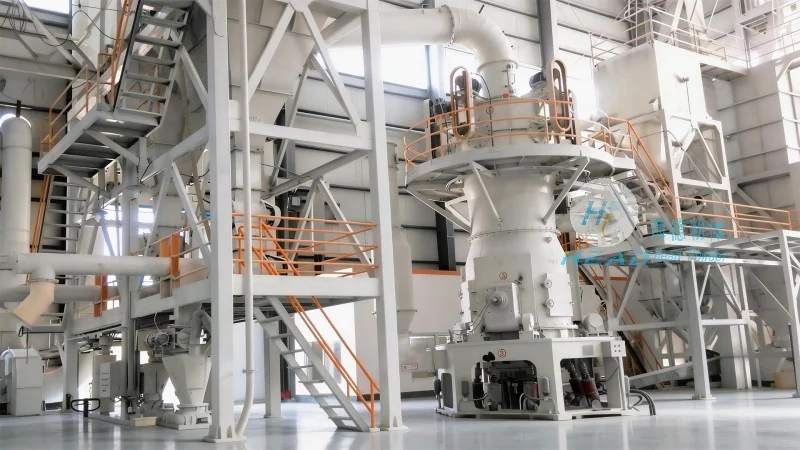
Technical Advantages and Considerations
Pneumatic conveying systems for metal silicon offer several advantages, including the ability to handle fine particles, reduce dust contamination, and provide a flexible layout. However, the design and operation of such systems require careful consideration of factors like particle size distribution, moisture content, and air pressure. Proper maintenance and regular inspections are essential to prevent system failures and ensure long-term reliability. Shandong HeadPowder Engineering Co., Ltd. employs advanced engineering practices to address these considerations, ensuring that their systems meet the highest standards of performance and safety.
Application and Industry Impact
Metal silicon pneumatic conveying lines are widely used in industries such as silicon wafer manufacturing, solar panel production, and chemical processing. The efficient transport of metal silicon directly impacts the productivity and cost-effectiveness of these operations. By providing a reliable and efficient method for material handling, these systems contribute to the overall success of industrial processes. Shandong HeadPowder Engineering Co., Ltd. continues to innovate and improve its systems to meet the evolving needs of the industry, ensuring that clients receive the best possible solutions for their material transport requirements.